
Hermès
For nearly two centuries, one name has sat undisputed at the top of the luxury hierarchy: Hermès. Founded in 1837 by Thierry Hermès as a harness workshop in Paris, the brand has evolved from serving the equestrian elite to creating the most coveted fashion items in the world.
What makes Hermès different? In an age of mass production, Hermès remains committed to the “one craftsman, one bag” philosophy. Whether it is a Birkin, a Kelly, or a Constellation, every piece is a testament to two centuries of craftsmanship and excellence.
Holy Grail of Handbags: Birkin vs. Kelly
If you are looking to start or expand your collection, understanding the “Big Two” is essential. Based on current market listings and historical guides, here is what you need to know:
Hermès Kelly
Originally known as the Sac à Dépêches, it was renamed after Princess Grace Kelly of Monaco.
- Design: Features a single top handle and an optional shoulder strap.
- Styles: You will often find it in Sellier (structured with external stitching) or Retourne (softer, rounded edges with internal stitching).
- Recent Market Finds: Popular sizes include the Kelly 28 and the larger Kelly 35, often found in supple Swift leather which holds color beautifully.
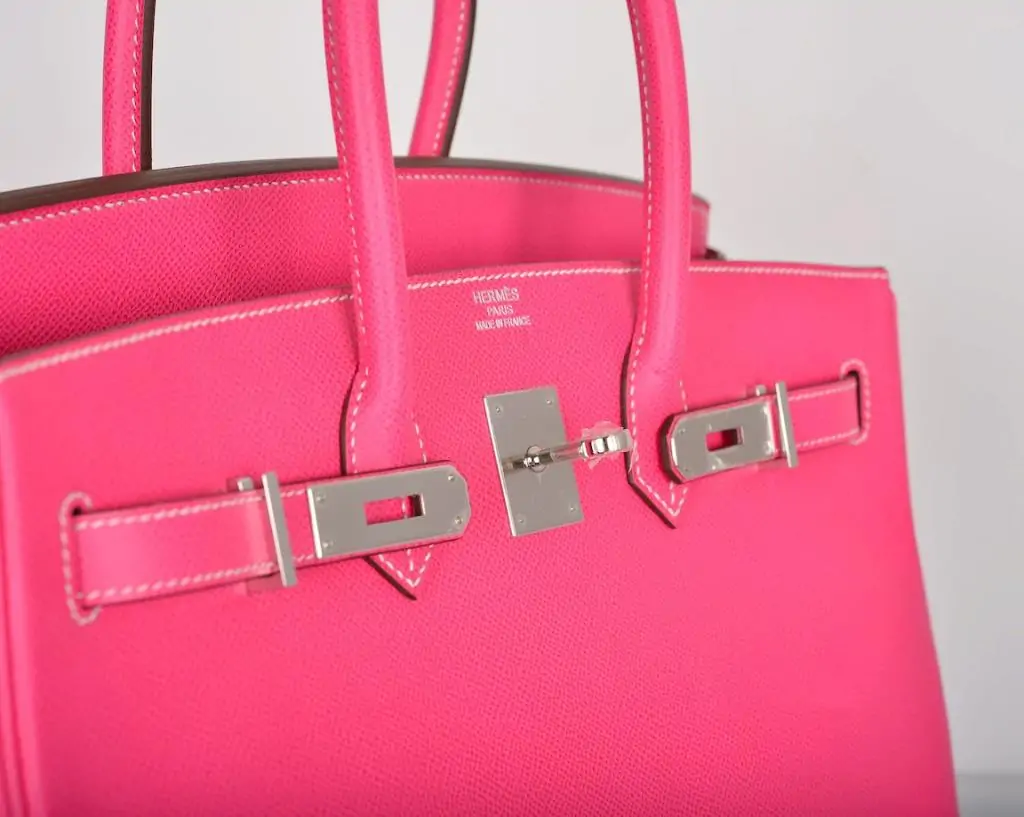
Hermès Birkin
Created in 1984 for actress Jane Birkin, this tote is the ultimate symbol of status.
- Design: Features two handles and is designed to be carried in the crook of the arm.
- Sizes: Ranging from the “Baby” Birkin 25 to the spacious Birkin 35.
- Materials: Common leathers include Togo (scratch-resistant and pebbled) and Clemence (heavy and matte).
Decoding Hermès Leathers and Styles
Choosing the right leather is just as important as choosing the bag itself. Based on recent listings from Farfetch and Zalora, these are the textures collectors are currently hunting:
- Togo Leather: The most popular choice for Birkins. It is a grained calfskin that is incredibly durable and easy to refurbish.
- Clemence Leather: Similar to Togo but with a flatter grain. It offers a more “slouchy” and casual look, perfect for the Retourne style.
- Swift Leather: A fine-grained leather that is incredibly soft to the touch. It absorbs dye exceptionally well, making it the go-to for bright, vibrant colors like “Hermès Red”.
Is an Hermès Bag a Good Investment?
The short answer is yes. According to collecting guides from Christie’s and recent business reports, Hermès bags often outperform gold and the S&P 500 in terms of value retention.
Why the Value Keeps Rising:
- Scarcity: You cannot simply walk into a boutique and buy a Birkin. The “waitlist” system and the requirement to build a relationship with a Sales Associate keep demand high.
- Market Resilience: While some luxury brands have struggled recently, Hermès has reported a strong recovery in markets like China, proving its “recession-proof” status.
- The Pre-Loved Market: Platforms like Zalora and Farfetch have made “pre-loved” luxury more accessible, allowing collectors to find vintage gems from the early 2000s that are still in pristine condition.
How to Care for Your Hermès
To ensure your investment lasts a lifetime, follow these expert tips:
- Store in a Dust Bag: Always keep your bag in its original sleepers when not in use.
- Use a Bag Insert: This helps maintain the shape, especially for softer leathers like Clemence and Swift.
- Professional Cleaning: Only trust authorized Hermès “spas” or high-end luxury restoration experts to handle scuffs or stains.
Visual Gallery


Contact Us
- MESSAGE US ON FACEBOOK: https://www.facebook.com/rbsublimationsignage
- CALL/TEXT: +639460480491