Cotton Egypt Association (CEA)
Egyptian cotton has long been recognized as the finest in the world, prized for its extraordinary softness, durability, and breathability. However, as the demand for luxury textiles has grown, so has the challenge of maintaining the integrity of the “Egyptian Cotton” name. At the heart of this mission is the Cotton Egypt Association (CEA), a non-profit organization dedicated to protecting, promoting, and regulating the world’s most prestigious natural fiber.
What is the Cotton Egypt Association?
The Cotton Egypt Association is the official body responsible for managing the “Egyptian Cotton” trademark globally. Its primary role is to ensure that any product labeled as Egyptian cotton is genuine and meets the high standards associated with the brand.
By working closely with growers, manufacturers, and retailers, the CEA provides a bridge between the historical heritage of Nile Delta farming and the modern global supply chain.
Gold Seal: A Mark of Authenticity
The most significant contribution of the CEA is the Gold Seal of Authenticity. This accreditation program was designed to eliminate the prevalence of counterfeit products in the market.
To earn the Gold Seal, manufacturers must undergo a rigorous verification process. The CEA utilizes advanced DNA testing and forensic mapping to verify that the fibers used in a product are indeed 100% Egyptian cotton. This technology-driven approach allows the association to trace the cotton back to its origin, ensuring that “Giza” cotton – the highest grade produced in Egypt is never misrepresented.
Strategic Partnerships and Sustainability
The CEA is not only focused on quality but also on the future of the industry. A landmark strategic partnership with the Better Cotton initiative has been established to transform the Egyptian cotton sector.
This collaboration aims to:
- Improve Farmer Livelihoods: Providing training on sustainable farming practices.
- Reduce Environmental Impact: Focusing on water conservation and the reduction of chemical pesticides.
- Market Integration: Creating a more transparent and ethical supply chain that appeals to modern, eco-conscious consumers.
Digital Transformation in the Textile Industry
To manage the complex global certification process, the CEA has embraced digital innovation. By implementing advanced ERP systems, such as Frappe/ERPNext, the association has streamlined its operations. This digital backbone allows them to manage thousands of certifications, track DNA testing results, and monitor the movement of licensed goods across international borders with precision.
Global Presence: From Cairo to ITMA Milan
The association continues to expand its reach through major international events. Most notably, the CEA debuted at ITMA Milan 2023, the world’s largest international textile and garment technology exhibition.
During these events, the CEA unveiled its new brand identity, reflecting a more modern and dynamic image. This rebranding highlights the association’s commitment to protecting the name “Egyptian Cotton” while adapting to the evolving needs of the global textile market.
How to Identify Genuine Egyptian Cotton
For consumers and retailers, identifying real Egyptian cotton is crucial. The CEA recommends looking for the following:
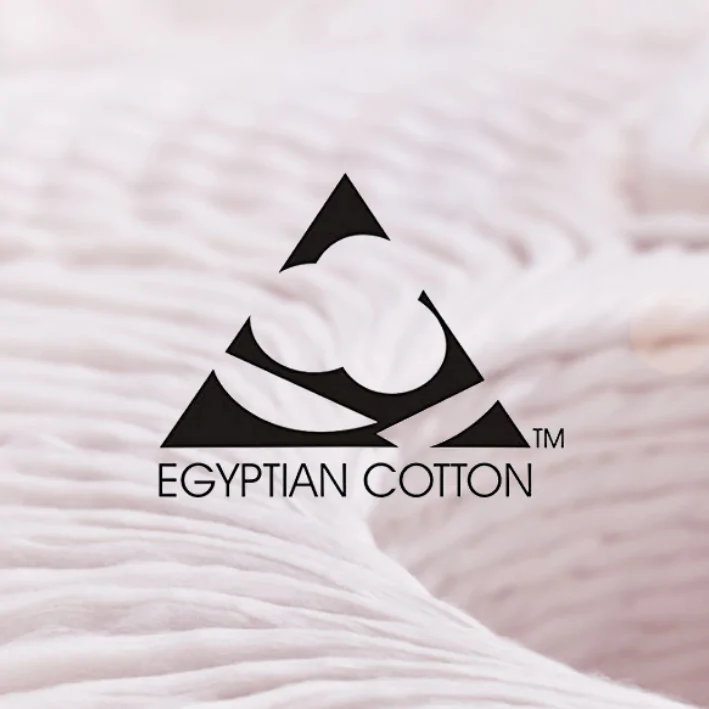
- The Gold Seal Logo: Ensure the official CEA pyramid logo is present on the packaging.
- Long Staple Fibers: Authentic Egyptian cotton is known for its extra-long staple (ELS) fibers, which create a smoother, stronger yarn.
- Certification Numbers: Genuine products often carry a specific license number that can be verified through the association’s database.
Shop Collection
Contact Us
- Call or text me at 09460480491
- Message us on Facebook at https://www.facebook.com/rbsublimationsignage/