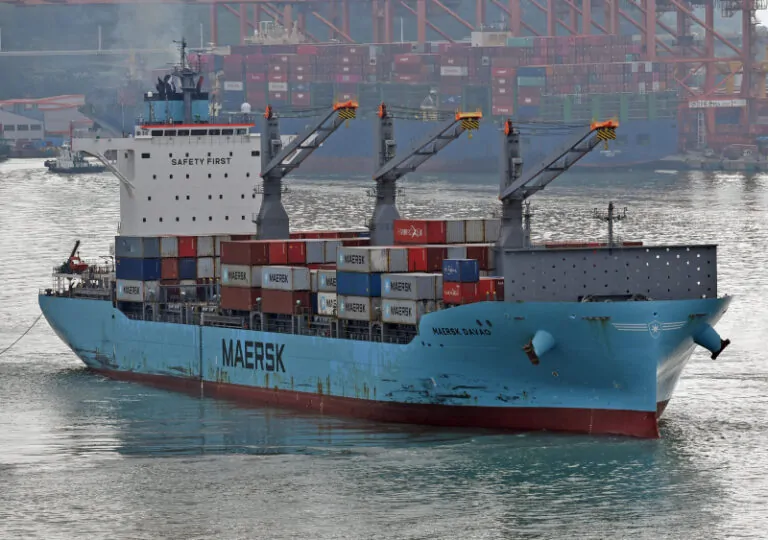
Import from Philippines to Australia
Trade relations between the Philippines and Australia have reached an exciting turning point. With a strong bilateral relationship backed by the ASEAN-Australia-New Zealand Free Trade Agreement (AANZFTA), it has never been easier for Australian businesses to source high-quality goods from the Philippine archipelago.
Whether you are interested in the world-famous Philippine mangoes or industrial electronics, this guide covers the “what”, “how”, and “why” of importing from the Philippines to Australia.
What to Import: Top Commodities and New Opportunities
The trade landscape is shifting, moving from traditional raw materials to high-value manufactured goods and fresh produce.
“Big News”: Fresh Mangoes Hit Australian Shores
One of the most significant recent developments in PH-AU trade is the official commencement of fresh mango exports to Australia. Known for their extreme sweetness, Philippine Carabao mangoes have passed Australia’s rigorous biosecurity protocols. This opens a massive door for fruit importers and premium grocery retailers in Australia.
Top Export Categories (by Value)
Based on recent trade data from Trading Economics, the most common products Australia imports from the Philippines include:
- Electrical & Electronic Equipment: Semiconductors, integrated circuits, and wiring.
- Machinery: Office machine parts and specialized industrial equipment.
- Pearls, Precious Stones, and Metals: High-quality jewelry components.
- Edible Fruits and Nuts: Beyond mangoes, this includes dried pineapples, bananas, and coconut products.
- Optical, Technical, and Medical Apparatus: Precision instruments for the healthcare sector.
Logistics: Shipping from the Philippines to Australia
Choosing the right shipping method is crucial for your profit margins and delivery timelines.
Sea Freight (Ocean Cargo)
Sea freight is the most cost-effective method for bulk shipments.
- Major Routes: Most cargo departs from the Port of Manila or Cebu and arrives at major Australian hubs like Brisbane, Sydney, and Melbourne.
- Transit Times: Typically ranges from 15 to 25 days, depending on whether you choose a direct route or a transshipment.
- LCL vs. FCL:
- Less than Container Load (LCL): Ideal for small businesses sharing container space.
- Full Container Load (FCL): Best for large shipments to reduce the risk of damage and lower the per-unit shipping cost.
Air Freight
For high-value items (like electronics or jewelry) or perishable goods (like the first batches of fresh mangoes), air freight is preferred. While more expensive, it reduces transit time to just 2–5 days.
Customs, Duties, and Regulations
Australia is known for having some of the strictest biosecurity laws in the world.
Biosecurity
If you are importing organic material (wood, food, plants), your goods must be cleared by the Department of Agriculture, Fisheries and Forestry (DAFF). Ensure your Philippine supplier provides the necessary phytosanitary certificates.
Free Trade Benefits (AANZFTA)
Thanks to the ASEAN-Australia-New Zealand Free Trade Agreement, many goods originating from the Philippines qualify for zero or significantly reduced tariffs.
- Pro-Tip: Ensure your supplier provides a Certificate of Origin (Form AANZ) to claim these duty concessions at the Australian border.
Taxes and GST
Most imports into Australia are subject to a 10% Goods and Services Tax (GST) based on the Value of the Taxable Importation (VoTI).
Steps to Start Importing Successfully
- Find a Verified Supplier: Use platforms like the DTI (Department of Trade and Industry) Philippines to find reputable exporters.
- Request Samples: Especially for textiles or food products, always verify quality before committing to a full container.
- Choose a Logistics Partner: Work with a freight forwarder that specializes in the PH-AU route. They can handle the complexities of the “Manila to Brisbane” or “Manila to Sydney” lanes.
- Prepare Documentation: You will need a Commercial Invoice, Packing List, Bill of Lading, and any relevant permits (especially for the newly approved mango imports).
Contact Us
- MESSAGE US ON FACEBOOK: https://www.facebook.com/rbsublimationsignage
- CALL/TEXT: +639460480491