Import from Philippines to Bangladesh
As trade ties between Southeast and South Asia continue to strengthen, the trade corridor between the Philippines and Bangladesh presents a lucrative opportunity for businesses. Whether you are looking for electronics, agricultural products, or industrial raw materials, importing from the Philippines to Bangladesh requires a clear understanding of logistics, documentation, and customs procedures.
In this guide, we break down everything you need to know to start your import journey.
Why Import from the Philippines?
The Philippines is a rapidly growing export economy. According to recent trade data from Tendata and TradeImex, the country is no longer just an agricultural exporter but a major hub for high-value manufacturing.
Key advantages include:
- Strategic Location: Proximity to major shipping lanes in Asia.
- Diverse Product Range: From advanced electronics to unique tropical food products.
- Competitive Pricing: Competitive labor and production costs in special economic zones.
Top Products Imported from the Philippines to Bangladesh
Based on trade data from Volza and Eximpedia, Bangladesh actively imports a variety of goods from the Philippines. The most common categories include:
- Electronics & Electrical Machinery: Integrated circuits, semiconductors, and machinery parts.
- Chemicals & Industrial Products: Chemical compounds used in Bangladesh’s booming manufacturing sector.
- Agricultural Goods: Processed fruits, coconut-based products, and specialty food ingredients.
- Textile Raw Materials: While Bangladesh is a garment giant, it often imports specific synthetic fibers and accessories.
Understanding the Import-Export Procedures
According to ASEAN Briefing, the Philippines has streamlined its export processes, but there are still specific steps you must follow to ensure your cargo leaves Manila or Cebu and enters Chittagong smoothly.
Philippines Side (Exporting):
- Registration: The exporter must be registered with the Bureau of Customs (BOC) through the Client Profile Registration System (CPRS).
- Documentation: You will need a Commercial Invoice, Packing List, Bill of Lading, and an Export Declaration.
- Certificates of Origin: Essential for the Bangladeshi importer to potentially benefit from trade agreements or to verify the source.
Bangladesh Side (Importing):
- IRC (Import Registration Certificate): Every Bangladeshi importer must have a valid IRC from the Office of the Chief Controller of Imports and Exports.
- L/C (Letter of Credit): Most imports into Bangladesh must be settled via a Letter of Credit through a commercial bank.
- Customs Clearance: Goods are typically cleared through the Chittagong Port or Dhaka Airport, requiring a Bill of Entry and payment of customs duties/VAT.
Logistics and Shipping Options
Logistics providers like FW Freight highlight two primary ways to move cargo from the Philippines to Bangladesh:
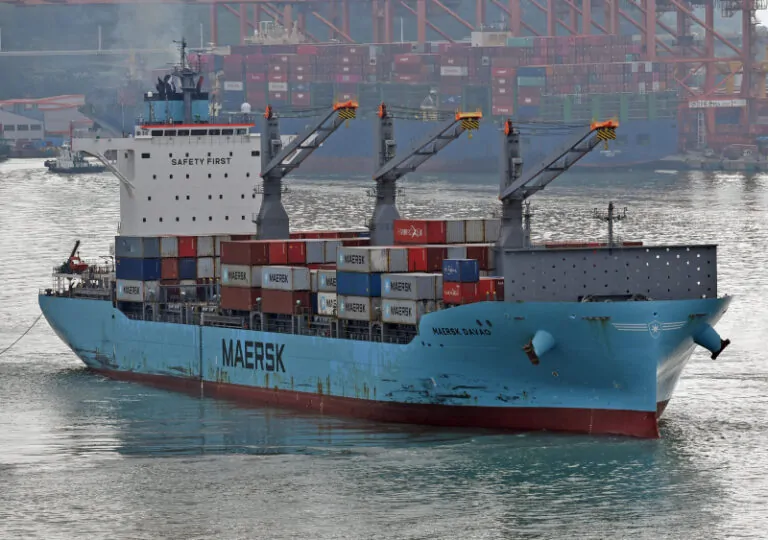
- Sea Freight: The most cost-effective method for bulk goods. Ships typically travel from the Port of Manila to the Port of Chittagong.
- FCL (Full Container Load): Best for large shipments.
- LCL (Less than Container Load): Ideal for small businesses sharing container space.
- Air Freight: Best for high-value or perishable goods (like electronic components). Flights usually connect via Ninoy Aquino International Airport (MNL) to Hazrat Shahjalal International Airport (DAC).
Essential Documentation Checklist
To avoid delays at customs, ensure you have the following documents ready:
- Bill of Lading (Sea) or Air Waybill (Air)
- Commercial Invoice (detailed description and value)
- Packing List
- Certificate of Origin
- Insurance Certificate
- Proforma Invoice/L/C copy
- Phytosanitary/Health Certificates (required for food and plants)
Tips for a Successful Trade Partnership
- Verify Your Suppliers: Use platforms like ImportGlobals or Tendata to verify the trade history of your Filipino partners.
- Understand Incoterms: Clearly define who pays for shipping and insurance (e.g., FOB vs. CIF) in your contract.
- Stay Updated on Tariffs: Bangladesh’s National Board of Revenue (NBR) frequently updates duty structures. Check the HS codes for your specific products before ordering.
Contact Us
- MESSAGE US ON FACEBOOK: https://www.facebook.com/rbsublimationsignage
- CALL/TEXT: +639460480491