Import from Philippines to Papua New Guinea
Are you looking to expand your business horizons across the Pacific? The trade corridor between the Philippines and Papua New Guinea (PNG) is a growing market filled with opportunities. From agricultural machinery to processed food products, the exchange between these two nations is more vital than ever.
In this guide, we break down everything you need to know about logistics, top products, and how to navigate the shipping process from Manila to Port Moresby.
Economic Connection: Philippines and PNG Relations
Philippines and Papua New Guinea share a long history of bilateral relations. Beyond proximity, the two nations have signed various agreements focusing on agriculture and fisheries. As PNG continues to develop its infrastructure and retail sectors, the demand for Philippine exports – known for their quality and competitive pricing – continues to rise.
Top Products Imported from the Philippines
According to recent trade data, the Philippines exports a diverse range of goods to PNG. If you are looking for sourcing ideas, consider these top categories:
- Electronic Equipment: Semiconductors and electronic integrated circuits.
- Processed Food & Beverages: Philippine brands of canned goods, snacks, and condiments are highly popular in PNG supermarkets.
- Machinery and Transport Equipment: Essential for PNG’s growing construction and mining sectors.
- Agricultural Products: Specifically rice and processed fruits.
- Refined Petroleum: A significant portion of trade involves mineral fuels and oils.
How to Ship: Air Cargo vs. Sea Freight
Choosing the right logistics partner is crucial for a smooth import experience.
Air Freight (Fastest Route)
For urgent shipments or high-value electronics, air cargo is the preferred method.
- Primary Route: Manila (MNL) to Port Moresby (POM).
- Carriers: Philippine Airlines (PAL) offers direct flights and dedicated cargo services, significantly reducing transit time.
- Pros: Delivery in 1-3 days, higher security, and less handling of goods.
Sea Freight (Most Cost-Effective)
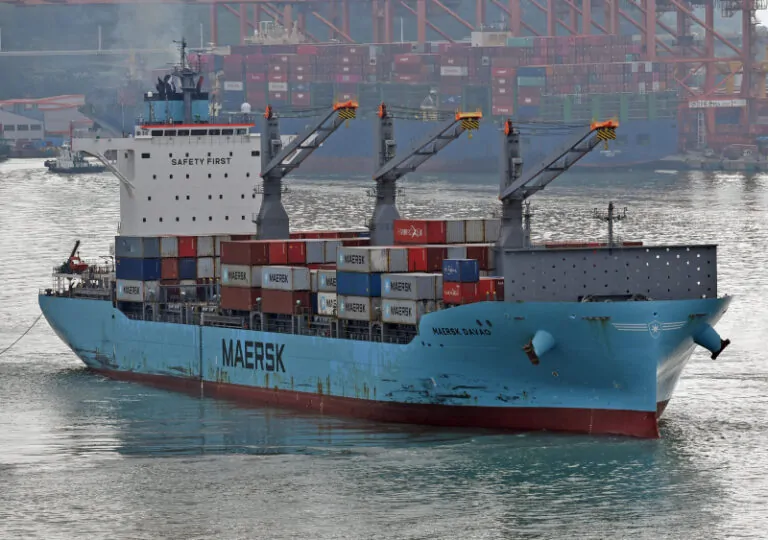
For bulk items, machinery, or large retail orders, sea freight is the industry standard.
- Logistics Providers: Specialized companies like FW Freight and Oceanic Shipping & Customs Service offer dedicated routes from the Philippines to PNG.
- Consolidation: You can choose between Full Container Load (FCL) or Less than Container Load (LCL) depending on your volume.
Navigating Customs and Regulations
Importing into PNG requires strict adherence to the Internal Revenue Commission (IRC) and PNG Customs Service regulations.
- Customs Brokerage: It is highly recommended to hire a customs broker (such as Oceanic Shipping) to handle the complex paperwork.
- Restricted Items: Be aware of biosecurity risks. PNG has strict regulations regarding the import of animal and plant products.
- Fishing Regulations: Note that there are specific bilateral warnings and bans regarding fishing territories; ensure any seafood-related trade complies with the latest maritime laws.
Travel and Business Connectivity
If you are a business owner traveling to PNG to meet suppliers or inspect goods:
- Flights: Direct flights from Manila to Port Moresby are available via Philippine Airlines and Air Niugini.
- Visas: Philippine passport holders should check the latest visa requirements. While business visas are available, it is essential to have your documentation (like an invitation letter from a PNG company) in order.
Pro-Tips for Successful Importing
- Verify Your Suppliers: Use trade directories to ensure your Philippine exporters are legitimate and BIR-registered.
- Understand Incoterms: Clearly define who pays for shipping, insurance, and duties (EXW, FOB, or CIF) before sending payment.
- Join Community Groups: Platforms like Facebook have active groups for “Filipinos in Papua New Guinea” and logistics forums where you can get real-time advice on shipping delays or trusted agents.
Contact Us
- MESSAGE US ON FACEBOOK: https://www.facebook.com/rbsublimationsignage
- CALL/TEXT: +639460480491