Import from Philippines to Venezuela
The trade bridge between Southeast Asia and South America is growing, and for businesses looking to source high-quality goods, the Philippines offers a wealth of opportunities. While the geographical distance is significant, modern logistics and evolving trade procedures have made importing from the Philippines to Venezuela more accessible than ever.
In this guide, we break down what you need to know about the products, the process, and the logistics of this trans-Pacific trade route.
What to Import: Philippines’ Top Export Strengths
While many of the Philippines’ top imports include fuels and electronic components, the country is a powerhouse exporter of specific categories that are in high demand in the Venezuelan market.
Based on recent trade data, businesses should focus on these key sectors:
- Electronic Products: The Philippines is a major hub for semiconductor assembly and testing. Integrated circuits and electronic components remain their #1 export.
- Agricultural Commodities: As a tropical leader, the Philippines is a primary source for coconut oil, dried fruits (mangoes and pineapples), and processed food products.
- Machinery and Transport Equipment: Beyond electronics, the Philippines produces significant volumes of electrical machinery and equipment parts.
- Manufactured Goods: This includes apparel, fashion accessories, and furniture, known for high-quality craftsmanship.
Understanding the Logistics: Shipping from PH to VE
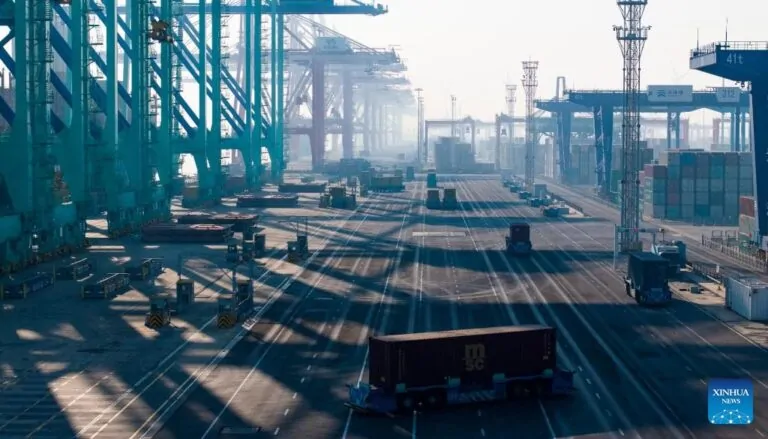
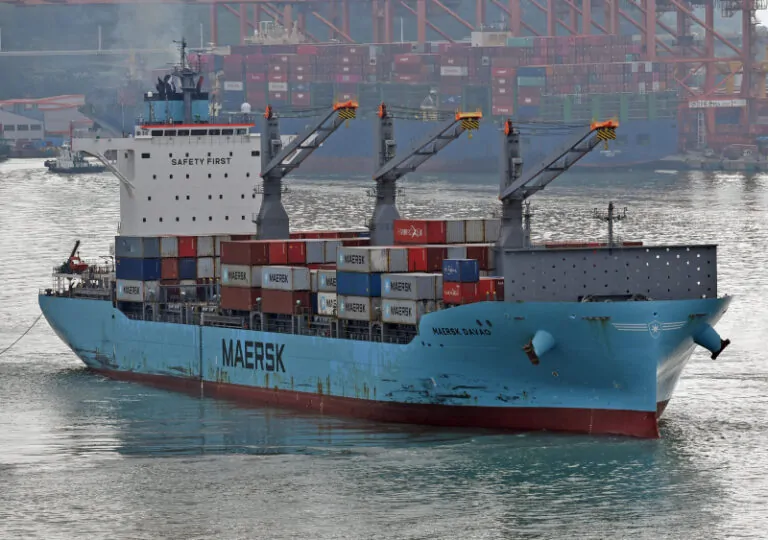
Shipping from the Philippines to Venezuela is a long-haul journey that requires careful planning. According to freight experts like FW Freight, there are two primary methods:
Sea Freight (FCL vs. LCL)
This is the most cost-effective method for large shipments.
- LCL (Less than Container Load): Ideal for smaller businesses that don’t have enough goods to fill a 20ft or 40ft container.
- FCL (Full Container Load): Best for high-volume imports to reduce the risk of damage and lower the cost per unit.
Transit Time: Expect a duration of 45 to 60 days depending on transshipment hubs (usually via Panama or Europe).
Air Freight
For high-value electronics or urgent medical supplies, air freight is the fastest option.
- Transit Time: Usually 5 to 10 days.
- Cost: Significantly higher than sea freight, calculated by weight and volume.
Key Export Procedures in the Philippines
To ensure a smooth transit, you must comply with the Bureau of Customs (BOC) in the Philippines. As noted by ASEAN Briefing, the standard procedures include:
- Registration: The exporter must be registered with the Client Profile Registration System (CPRS) through the Philippine Economic Zone Authority (PEZA) or the Bureau of Customs.
- Documentation: You will need a Commercial Invoice, Packing List, Bill of Lading (or Air Waybill), and a Certificate of Origin (especially important for tariff considerations).
- Permits: Specific items like food or plants require clearances from the Bureau of Plant Industry or the Food and Drug Administration (FDA) Philippines.
Navigating Venezuelan Customs
Venezuela’s import landscape is unique due to its economic environment.
- Tariffs and Taxes: Importers must stay updated on Venezuelan “Aranceles” (tariffs). While Venezuela has historically been an oil-heavy economy, it relies heavily on imports for consumer goods and electronics.
- Currency & Payments: Given the fluctuations in the Venezuelan Bolivar, most international trade is conducted in USD or Euros. Ensure your payment terms (LC, Wire Transfer) are clearly defined.
Challenges and Opportunities
Challenge: The primary hurdle is the distance and the current economic sanctions affecting Venezuelan financial institutions. It is vital to work with a freight forwarder that has experience navigating Venezuelan ports like Puerto Cabello or La Guaira.
Opportunity: Because many global markets have overlooked Venezuela, Filipino exporters who can establish reliable supply chains face less competition. There is a high demand for “Essential Goods” and “Intermediate Electronics” that the Philippines produces efficiently.
Contact Us
- MESSAGE US ON FACEBOOK: https://www.facebook.com/rbsublimationsignage
- CALL/TEXT: +639460480491