Port of Bayuquan – Northeast China
The Port of Bayuquan, located in the Bayuquan District of Yingkou, Liaoning Province, stands as one of the most significant deep-water hubs in Northern China. As the primary operational area of the Port of Yingkou, it plays a critical role in the logistics and industrial supply chains of the Northeast, connecting the region to the global maritime market.
Strategically positioned on the northeast coast of the Bohai Sea, Bayuquan has evolved from a local harbor into a massive industrial terminal capable of handling the world’s largest cargo vessels.
Strategic Hub for Northeast China
The Port of Bayuquan serves as the principal maritime outlet for the provinces of Liaoning, Jilin, and Heilongjiang, as well as eastern Inner Mongolia. Because of its deep-water capabilities, it functions as the heavy-duty counterpart to the older, shallower Yingkou port areas located further up the Liao River.
Its location is vital for the “Northeast Revitalization” strategy, acting as a bridge between the industrial heartland of China and international trade routes across the Pacific.
Key Operations and Cargo Specialization
Bayuquan is a multi-functional port with a particular emphasis on dry bulk and heavy industrial materials. Based on maritime traffic data and terminal specifications, the port’s primary operations include:
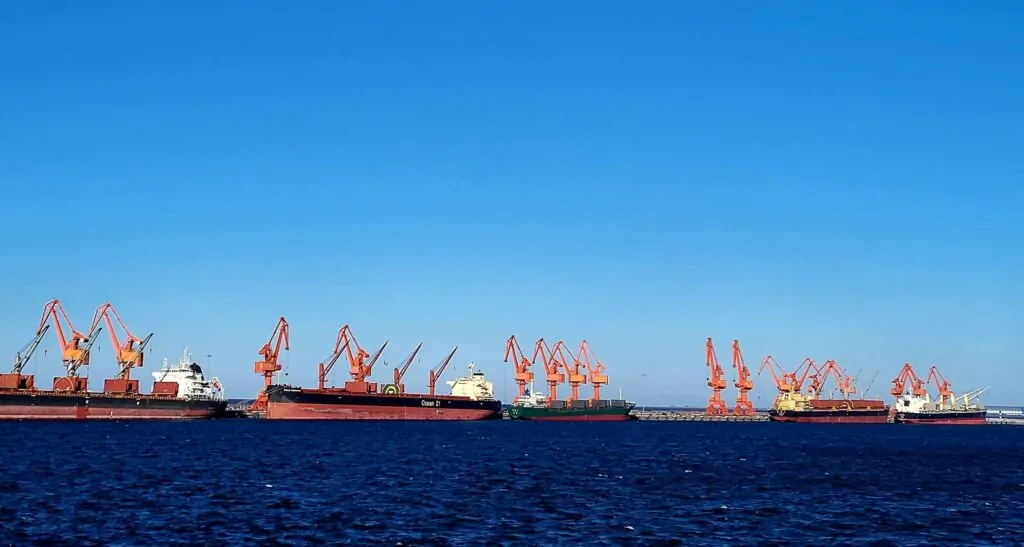
- Steel and Iron Ore: As a major terminal for the steel industry, it handles massive quantities of iron ore imports and finished steel exports.
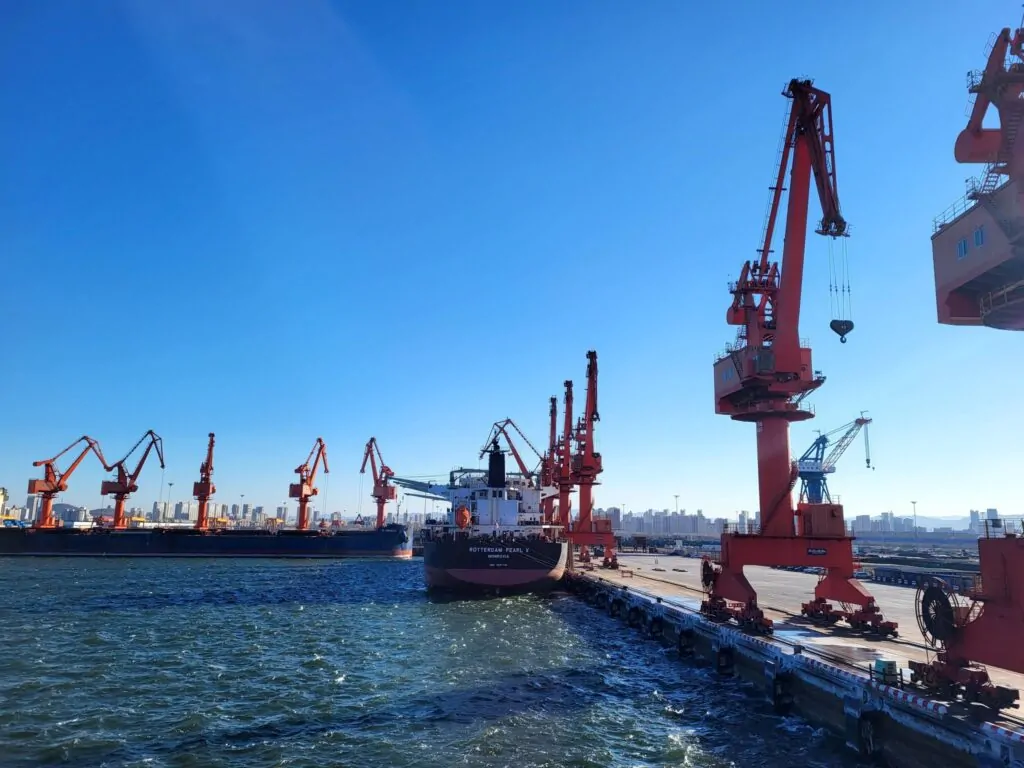
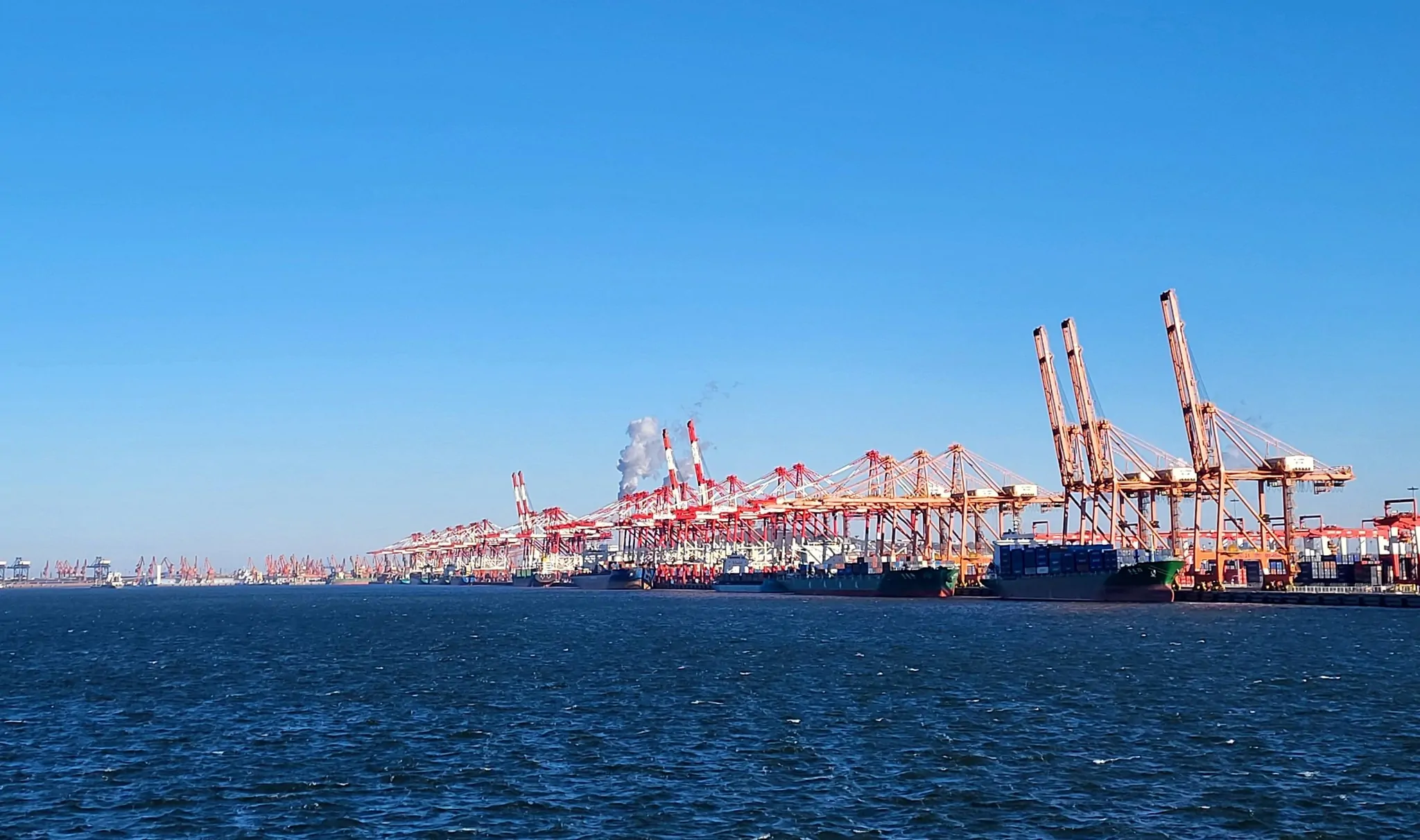
- Energy Resources: The port features specialized coal terminals equipped with high-capacity shore cranes for discharging and loading coal cargos, essential for the region’s power generation.
- Grain Logistics: It is one of the largest grain distribution centers in Northern China, facilitating the movement of corn and soybeans from the northern plains.
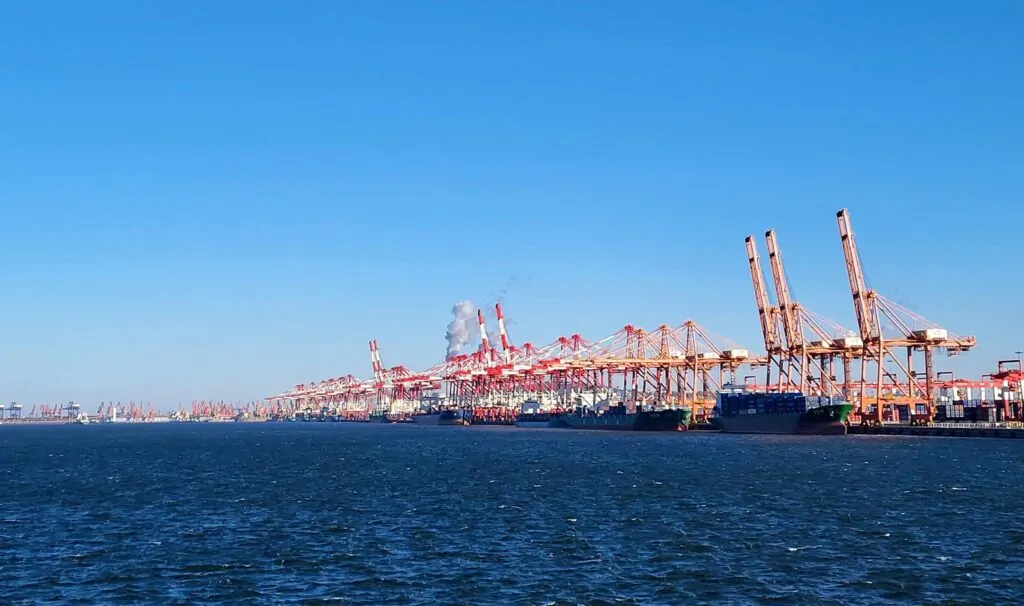
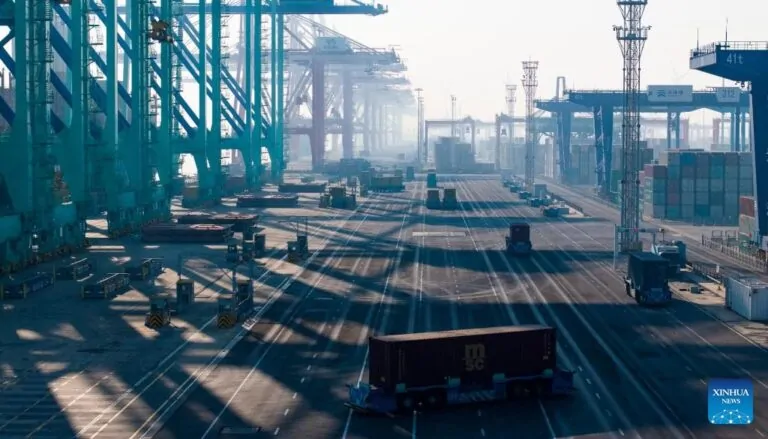
- Container Shipping: While bulk cargo is a primary focus, Bayuquan has expanded its container terminal capacity to accommodate the growing demand for manufactured goods and intermodal transport.
Infrastructure and Modern Facilities
The infrastructure at Bayuquan is designed for high-efficiency throughput. The port is equipped with:
- Deep-Water Berths: Capable of accommodating large-scale bulk carriers and container ships.
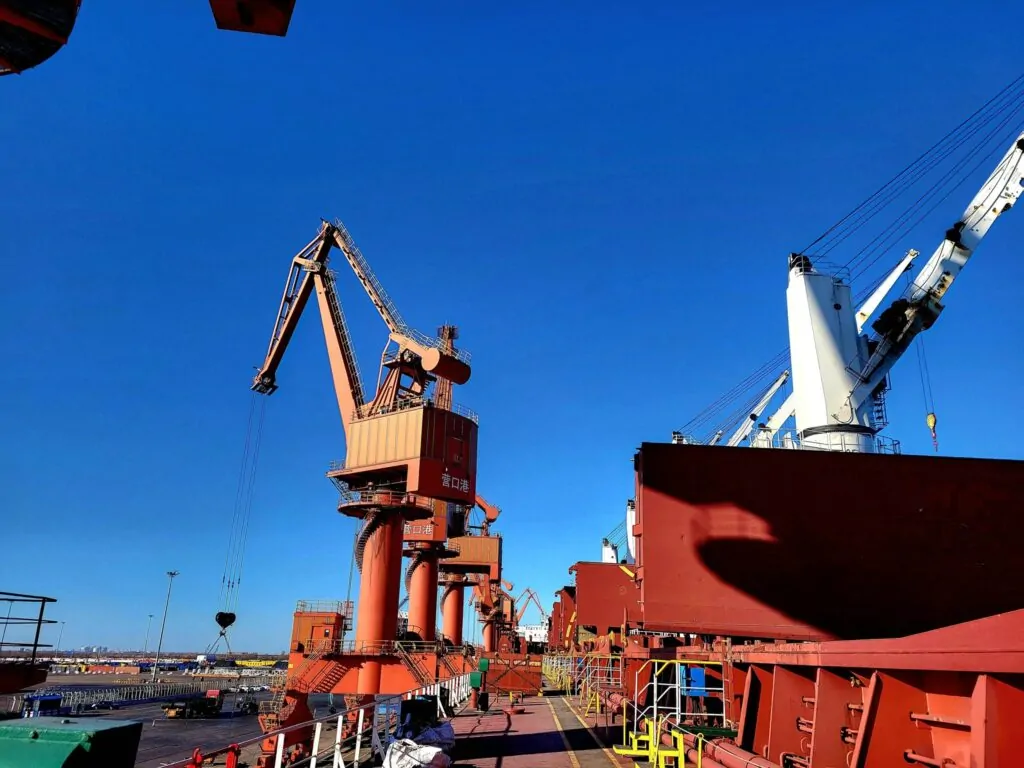
- Advanced Loading Technology: Modern shore cranes and automated conveyor systems ensure rapid turnaround times for vessels, even in challenging weather conditions.
- Intermodal Connectivity: The port is seamlessly integrated with the national railway network and major highways, allowing for “sea-to-rail” transport that reaches deep into the Eurasian hinterland.
Growth of Bayuquan District
The development of the port has transformed the Bayuquan District into more than just a logistics site. It has become a burgeoning economic zone featuring:
- Industrial Clusters: Large-scale steel mills and processing plants are situated near the port to minimize logistics costs.
- Tourism and Travel: Beyond industry, the district is known for its coastal scenery and hot springs, making it a unique destination where heavy industry meets maritime tourism.
Image Gallery