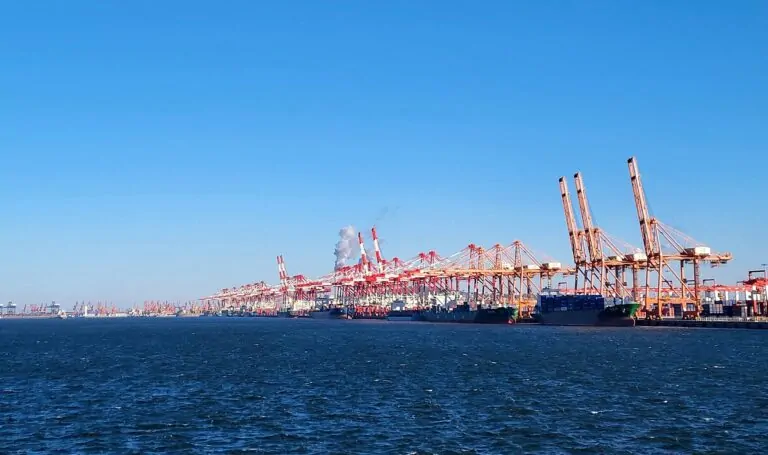
Port of Tianjin – China
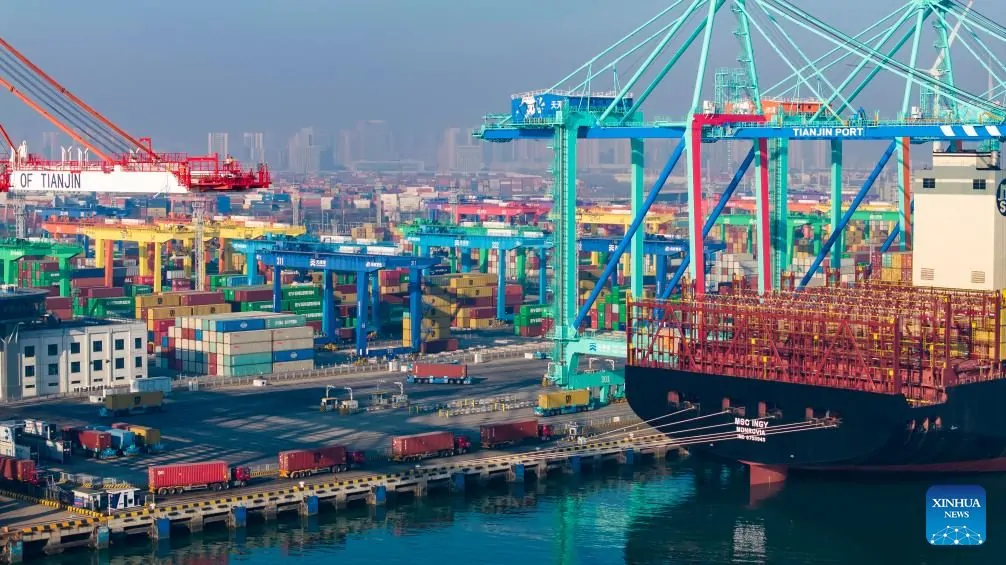
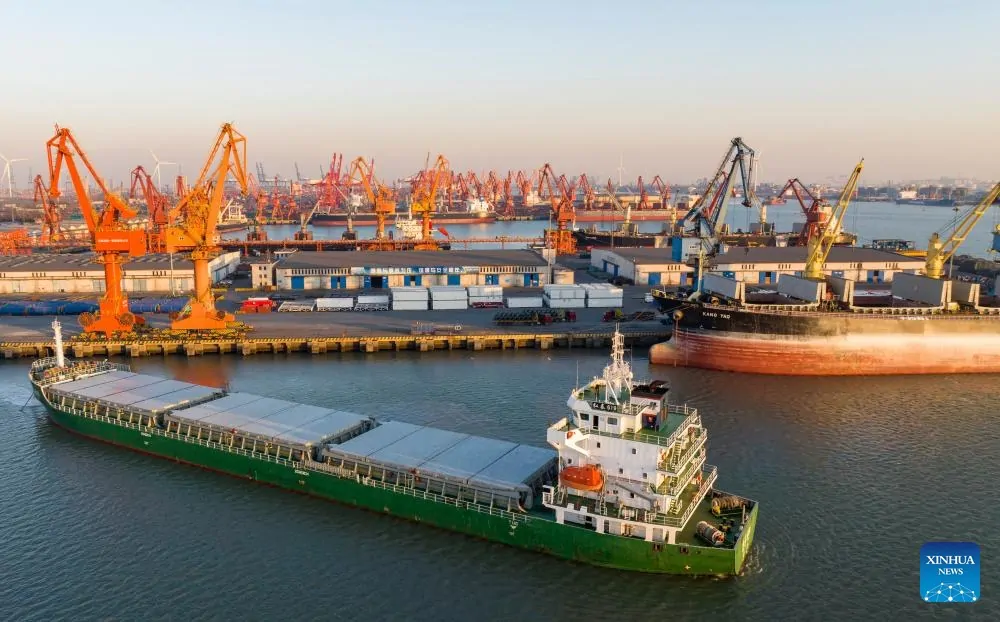
The Port of Tianjin, located on the coast of the Bohai Sea, has established itself as a global benchmark for the future of maritime logistics. As the largest port in Northern China and a primary maritime gateway to Beijing, it is no longer defined solely by its massive scale, but by its leadership in two critical fields: total carbon neutrality and autonomous “smart” operations.
World Leader in Green Logistics
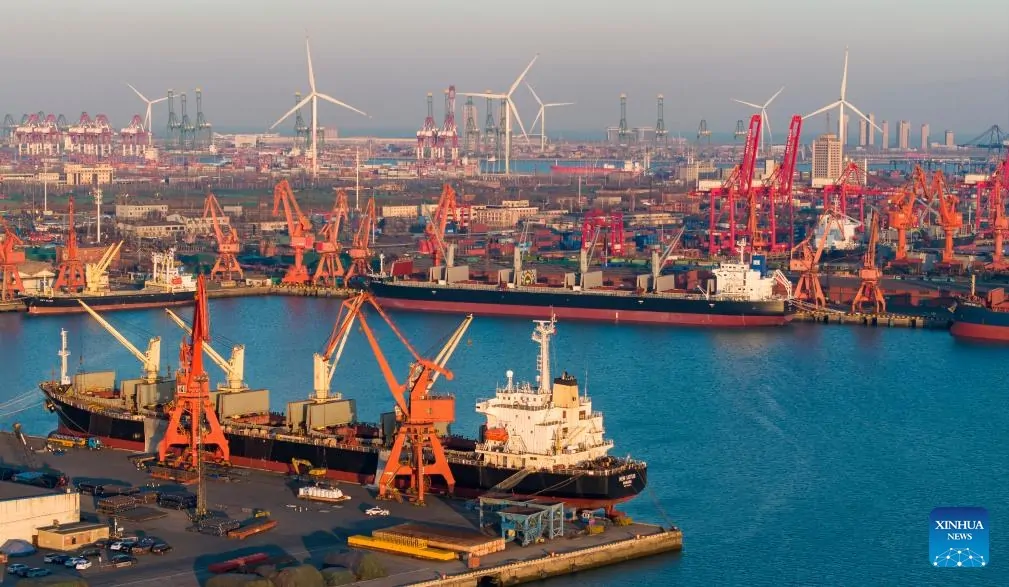
Tianjin Port has achieved a historic milestone as the world’s first port to be certified as zero-carbon by the China Classification Society. This transition is anchored in a self-sustaining energy ecosystem that replaces traditional fossil fuels with renewable sources generated on-site.
- Renewable Energy: The port is fully powered by wind and solar energy. Infrastructure includes extensive solar panel arrays and wind turbines that allow the facility to operate with zero carbon emissions.
- Energy Efficiency: Through the integration of smart energy management systems, the port has reduced its overall energy consumption by approximately 17%, with specific container transport operations consuming 20% less energy than traditional methods.
Digital Frontier: 5G and L4 Autonomy
In collaboration with technology partners like Huawei, Tianjin Port has undergone a comprehensive digital transformation, moving away from manual scheduling toward an “intelligent port brain.”
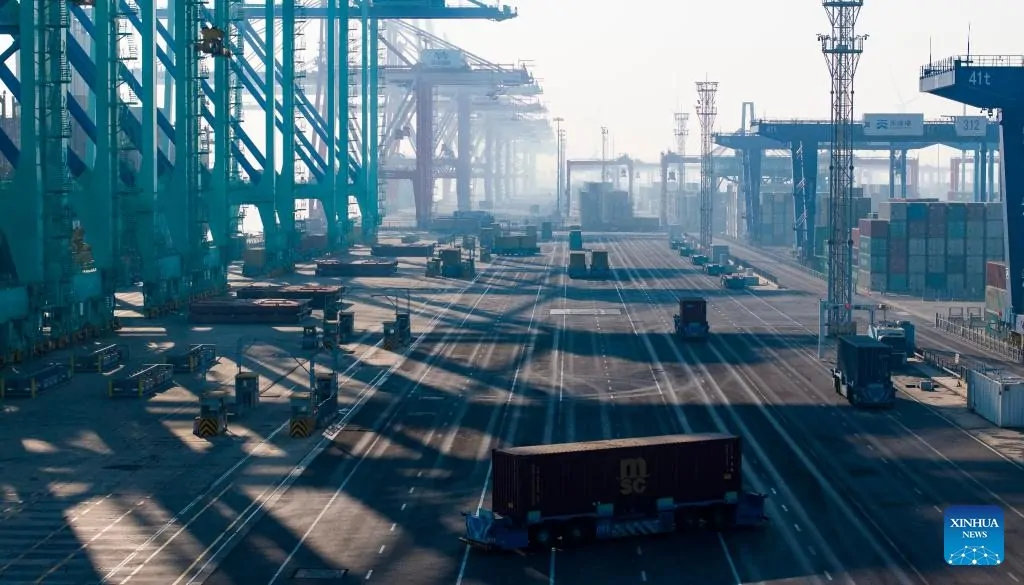
- Autonomous Fleet: The port operates the world’s largest commercial fleet of Level-4 (L4) autonomous driving vehicles. Currently, 76 driverless trucks navigate the terminal with high-precision positioning enabled by 5G and the BeiDou satellite navigation system.
- Operational Efficiency: Automation has transformed the workforce and productivity. A smart terminal that once required 800 workers now operates with just 200, while efficiency has increased from 28–30 TEU (twenty-foot equivalent units) per hour to 36 TEU per hour.
- Smart Scheduling: AI-driven systems have reduced the time required for berth scheduling and resource allocation from several hours to just a few minutes, drastically reducing ship berthing times.
Steady Growth and Global Connectivity
Tianjin Port continues to break throughput records, serving as a vital node in the Belt and Road Initiative and connecting with over 800 ports in more than 200 countries.
- Throughput Success: In 2024, the port handled 23.29 million TEUs. The momentum has continued into 2025, with first-quarter data showing a 5.6% year-on-year increase to 5.71 million TEUs.
- Strategic Expansion: The port is actively expanding its maritime corridors into Southeast Asia, including new direct routes to regions like Bangladesh. These efforts align with a long-term goal to reach an annual container throughput of 27 million TEUs by 2027.
Blueprint for the Future
The Port of Tianjin serves as a living laboratory for the “Smart Port” and “Green Port” concepts. By proving that massive industrial hubs can achieve carbon neutrality while simultaneously increasing efficiency through AI and 5G, Tianjin is providing a blueprint for the global maritime industry’s transition into a sustainable, automated era.
Image Gallery