
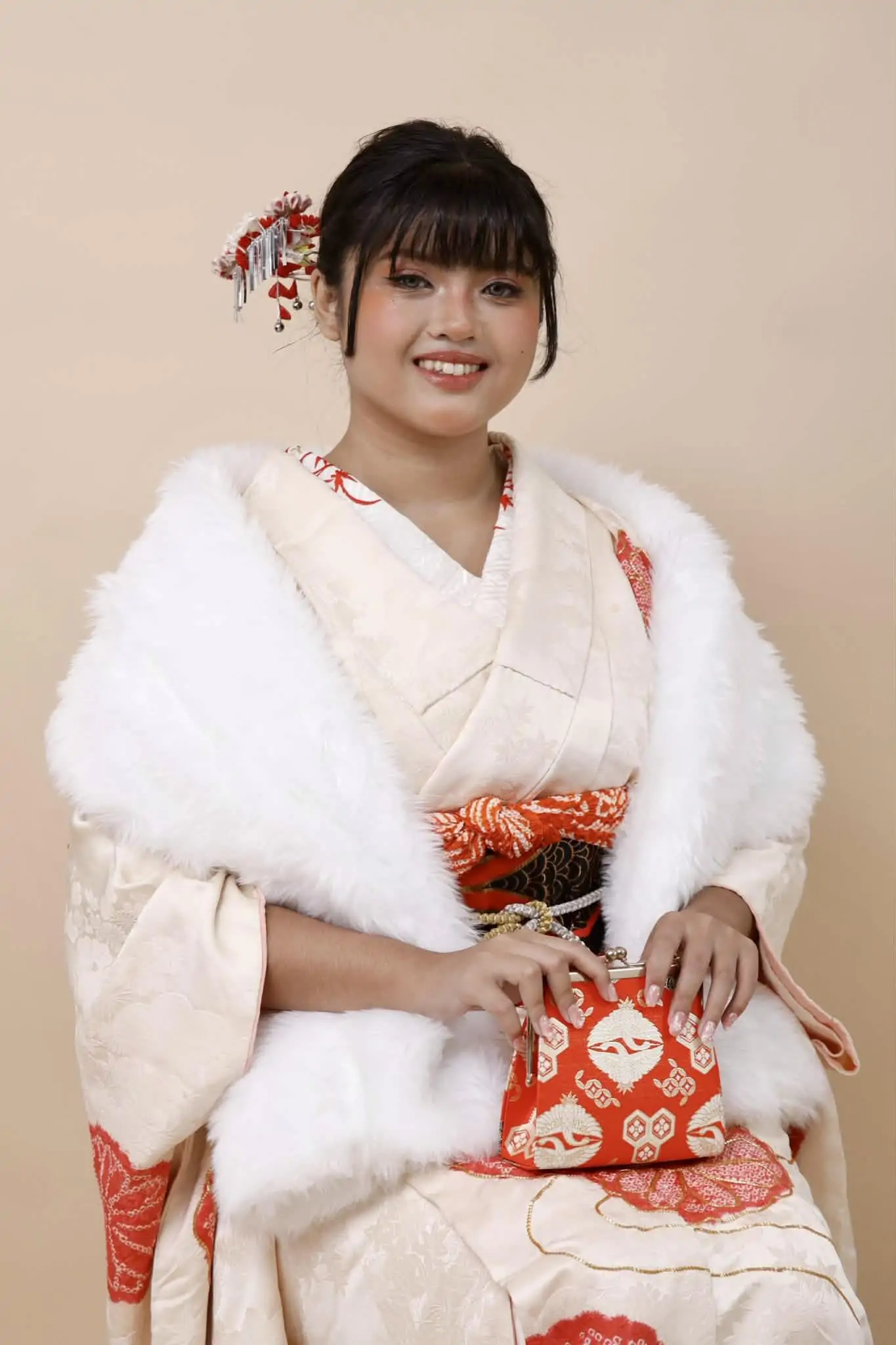
Kimono: History of Japan’s Traditional Garment
The kimono, which literally translates to “a thing to wear”, is a deeply symbolic and globally iconic traditional garment. With its rich history, intricate design, and profound cultural significance, this attire remains one of the most recognizable and revered forms of apparel manufacturing and tailoring in the world.
History of the Garment
Origins trace back to the Kofun period (300-538 CE) with early influences from Chinese traditional clothing. However, it was during the Heian period (794–1185 CE) that the Japanese straight-line-cut technique emerged, marking a departure from Chinese styles and allowing for versatile layering. By the Edo period (1603–1868), the dress evolved significantly; it was carefully regulated to reflect social status, marital status, and profession through specialized colors, patterns, and accessories. It wasn’t until the Meiji period (1868–1912) that the outfit became universally known as the “kimono.”
Types of Traditional Dress
These outfits are incredibly diverse, with styles differentiated by formality, pattern, and the wearer’s age or marital status. Some of the most notable types include:
- Yukata (浴衣): The most casual type, often made from lightweight cotton, typically worn during summer festivals and at hot springs.
- Furisode (振袖): The most formal kimono for unmarried women, characterized by striking, long flowing sleeves. It is typically worn for coming-of-age ceremonies and formal parties.
- Tomesode (留袖): A formal attire intended for married women. It features elaborate patterns only below the waist, often incorporating gold embroidery.
- Houmongi (訪問着): Meaning “visiting wear,” these are elegant, semi-formal outfits worn by both married and unmarried women, perfect for tea ceremonies and weddings as a guest.
Cultural Significance and Modern Usage
Every detail of a kimono carries meaning. Patterns like cranes symbolize longevity, while cherry blossoms represent the transience of life. The intricate artistry means that each piece is heavily constructed, often hand-sewn from a single bolt of cloth called tanmono.
While this traditional clothing is no longer everyday wear for most Japanese people, it still maintains a strong presence. It is worn during important life events, traditional ceremonies, and by practitioners of Japanese arts. In contemporary fashion, the kimono is experiencing a massive resurgence. Modern designers are blending traditional aesthetics with new silhouettes, and fashion businesses are deconstructing vintage outfits into sustainable jackets, dresses, and streetwear. If you are looking to design unique custom apparel, feel free to visit our Contact Us page.
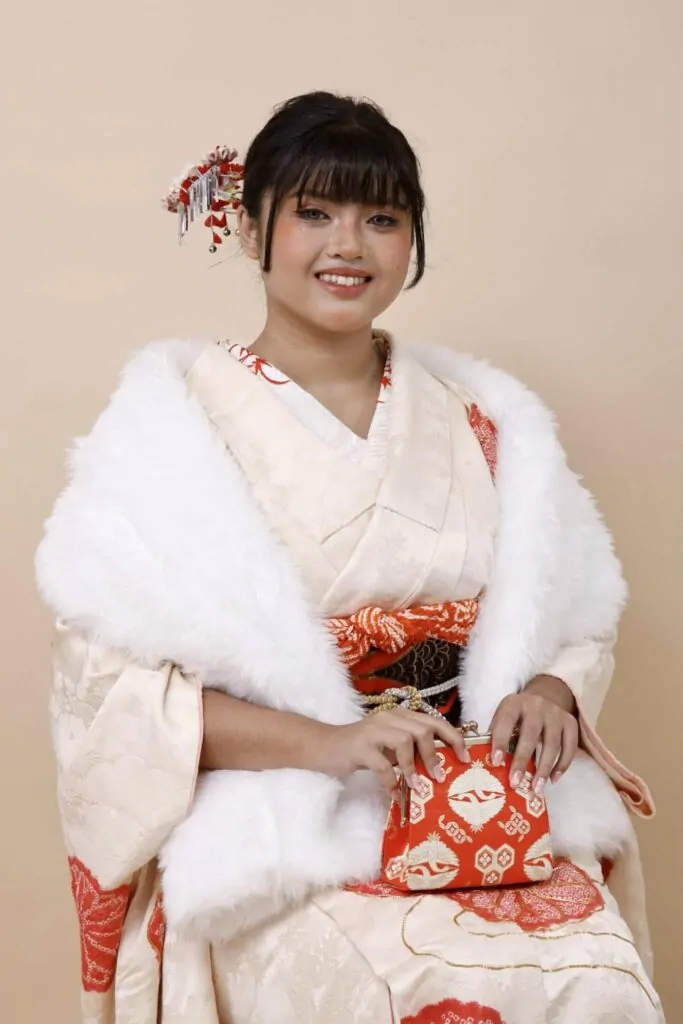
Image Gallery
Contact Us
For more details or inquiries, please do any of the following:
- Call or text me at 09460480491
- Message us on Facebook at https://www.facebook.com/rbsublimationsignage/