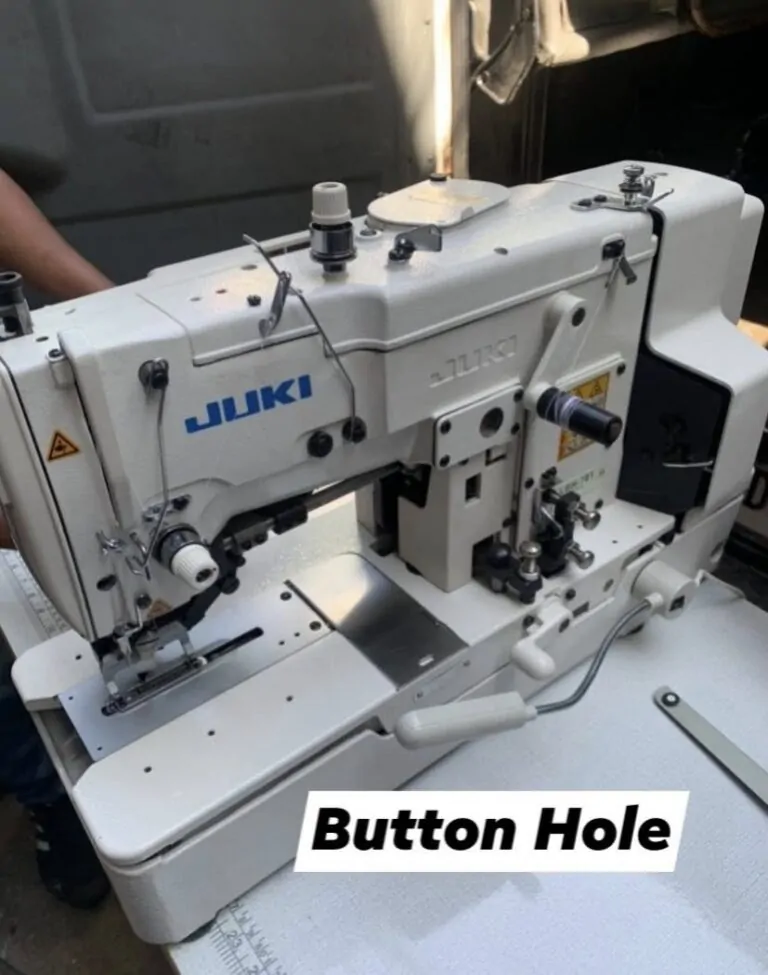
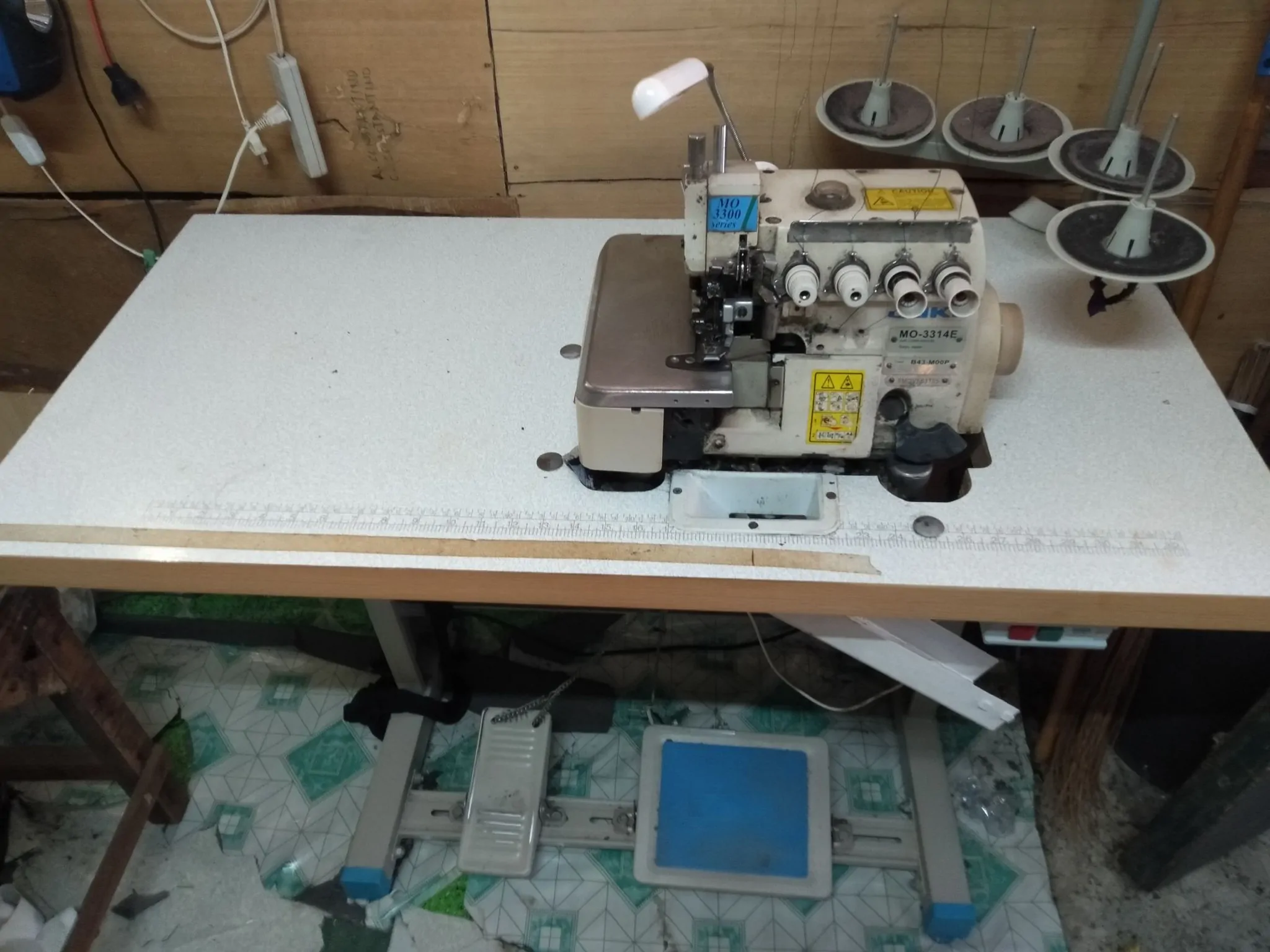
Overlock Sewing Machine
Whether you are running a garment business or perfecting your home studio, the difference between “homemade” and “hand-crafted” often comes down to one tool: the Overlock Machine. Also known as a serger, this powerhouse trims, stitches, and finishes seams in a single pass – but not all machines are created equal.
Below is your guide to choosing the right equipment to compete in today’s market, from heavy-duty industrial workhorses to versatile home studio essentials.
Why You Need an Overlock Machine
An overlock machine doesn’t just “prevent fraying” – it revolutionizes your workflow.
- Speed: Industrial models can reach speeds of 5,000–7,000 stitches per minute (SPM), compared to the 800 SPM of a standard sewing machine.
- Stretch: Unlike a rigid straight stitch, overlock stitches stretch with the fabric, making them essential for activewear, knits, and jerseys.
- Finish: Achieve the same clean, wrapped edges found on high-end retail garments.
Choosing Your Machine: Home vs. Industrial
Competitors offer a wide range, but understanding your needs will save you money and frustration.
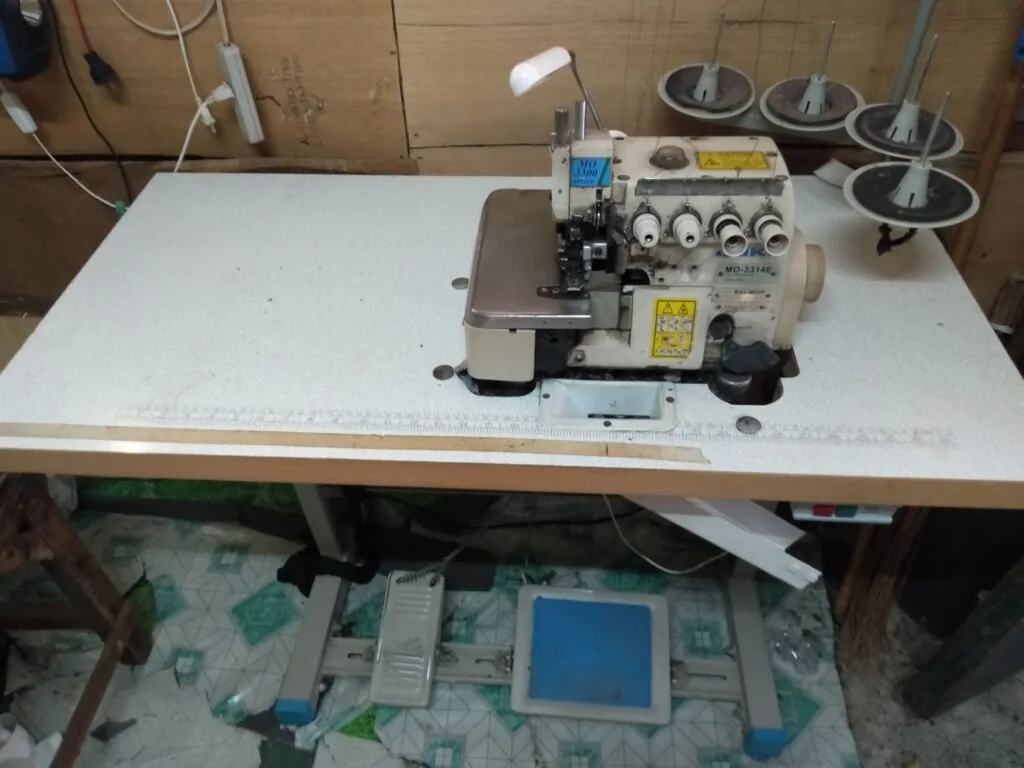
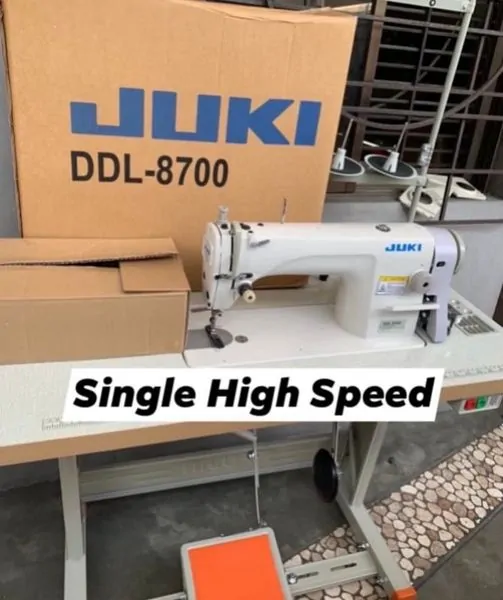
1. The Industrial Powerhouse (e.g., Juki 4-Thread Series)
Best for: Production lines, heavy fabrics, and high-volume businesses.
- 4-Thread Configuration: The industry standard for safety stitching. It provides a secure seam that creates durability for ready-to-wear clothing.
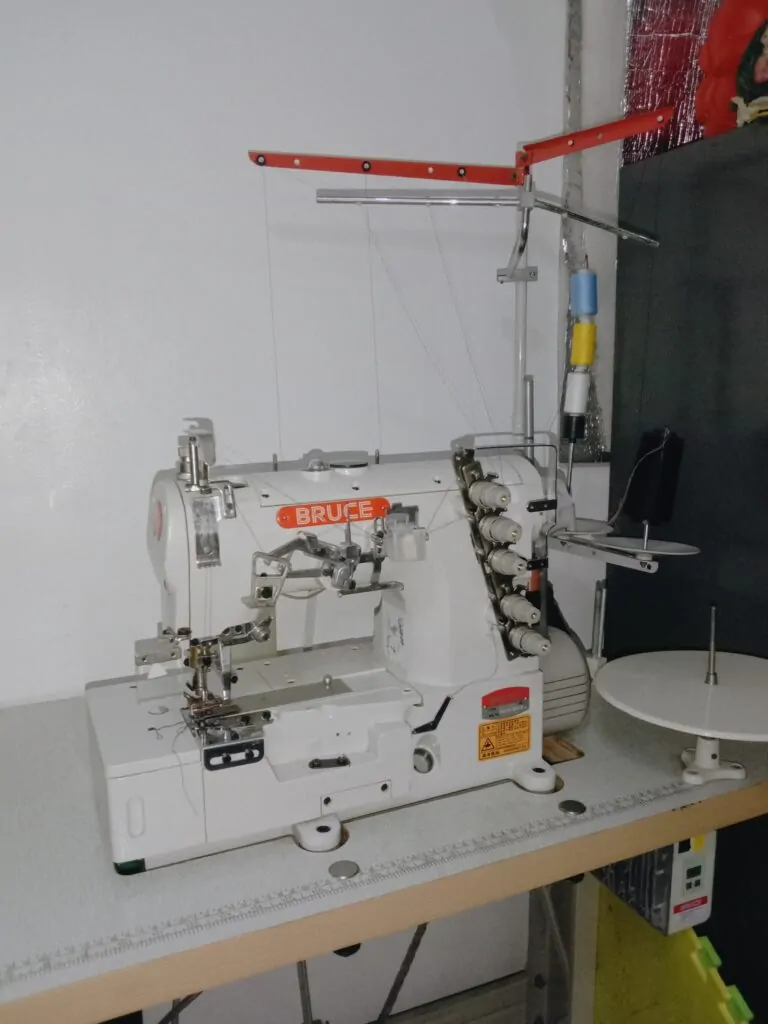
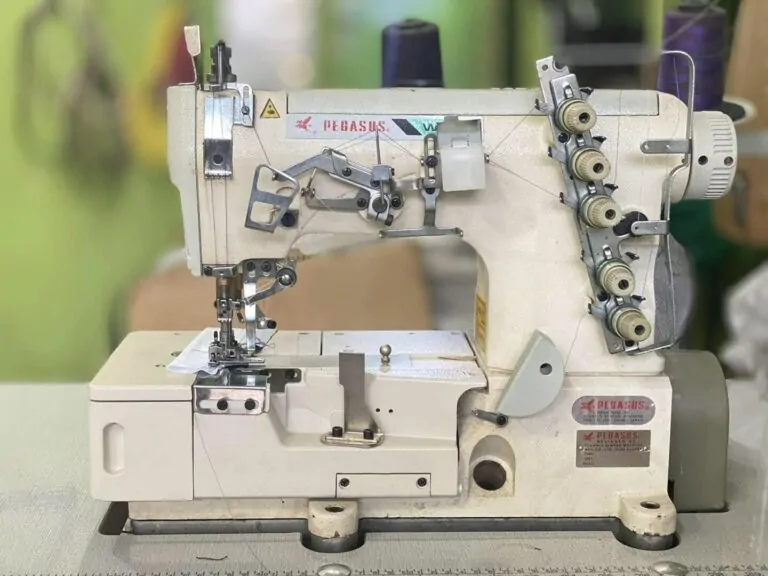
- 5-Thread Configuration: Adds a chain stitch alongside the overlock for maximum reinforcement – perfect for workwear and denim.
- Servo Motor Technology: Modern industrial machines now come with Servo Motors rather than old-fashioned clutch motors.
- Durability: Built with all-metal internals and fully submerged oil systems to run 24/7 without overheating.
2. The Home Studio Essential (e.g., Brother & Singer Models)
Best for: Hobbyists, boutique designers, and portable setups.
- Ease of Use: Features like Color-Coded Threading guides and “Lay-in” tension systems reduce setup time from 20 minutes to 2 minutes.
- Differential Feed: A crucial feature that controls how fabric is fed under the needle. It prevents wavy seams in stretchy knits and puckering in lightweight woven fabrics.
- Versatility: Quickly switch between standard overlocking and a Rolled Hem for delicate finishes on silk and chiffon – often without changing the needle plate.
The “Servo Advantage”: Silence & Control
If you are considering an industrial machine, look for one equipped with a Servo Motor. This is a major upgrade over traditional motors:
- Whisper Quiet: The motor is silent when you aren’t pressing the pedal. No more constant humming.
- Speed Control: Adjustable speed settings allow beginners to sew slowly and precisely, while experts can ramp up to full speed.
- Energy Efficiency: Consumes up to 70% less energy, significantly lowering electricity bills for businesses.
Pro Tips for Maximum Performance
To keep your machine running like new, follow these professional maintenance habits:
- Oil Daily (Industrial): For industrial machines with oil pans, check the oil window daily. If the oil looks dark, it’s time for a change.
- Clear the Path: Overlockers cut fabric as they sew. Regularly open the front cover and use compressed air or a lint brush to clear the “looper” area. Accumulated dust can soak up oil and cause overheating.
- Needle Knowledge: Use Ballpoint needles for knits to avoid snagging, and Sharp/Jeans needles for wovens to penetrate multiple layers without breaking.
- The “Chain-Off” Method: Unlike standard machines, don’t pull the fabric from the rear. Sew off the fabric edge to create a “chain” of thread, then cut. This prevents the stitch from unraveling.
Take Your Sewing to the Next Level
Don’t let slow production or messy seams hold your business back. Whether you choose the raw speed of a Juki Industrial with a Servo Motor or the versatility of a Brother Home Overlocker, investing in the right machine is investing in the quality of your brand.
Video Gallery
Image Gallery