Ultimate Guide to T-Shirt Wholesale – Philippines
Whether you are launching a streetwear brand, sourcing corporate uniforms, or stocking up for an election campaign, finding the right wholesale t-shirt supplier in the Philippines is the first step to success. The local market is diverse, ranging from ready-to-wear stockists in Binondo to high-end custom manufacturers in Quezon City.
This guide breaks down the types of suppliers available, key fabrics to look for, and the top players you should know.
1. Types of Suppliers: Which One Fits Your Business?
Understanding the difference between a stockist and a manufacturer can save you time and money.
A. Ready-to-Wear (RTW) Stockists
- Best for: Printing businesses, rushed events, and startups with lower capital.
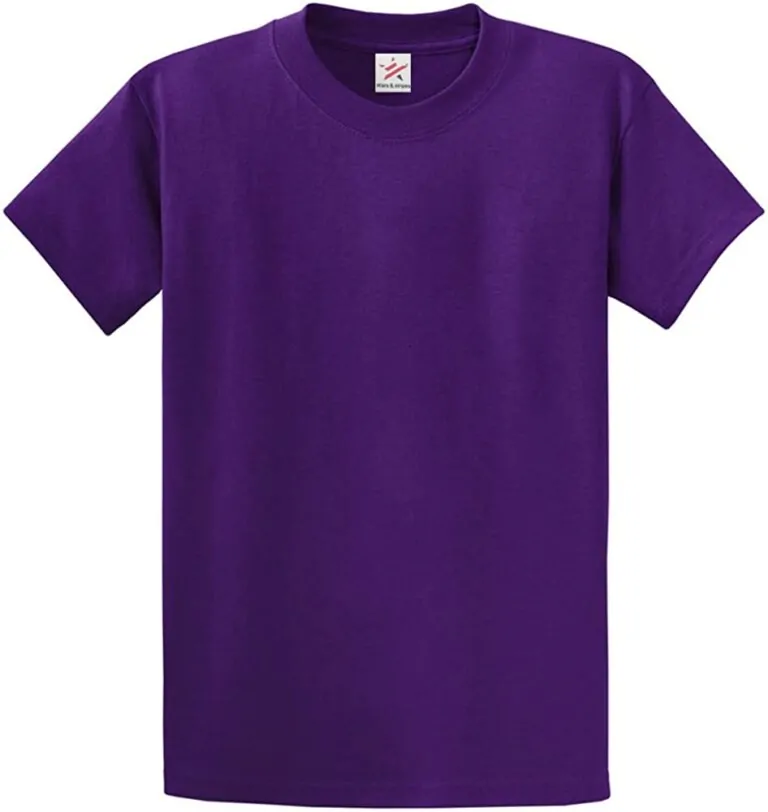
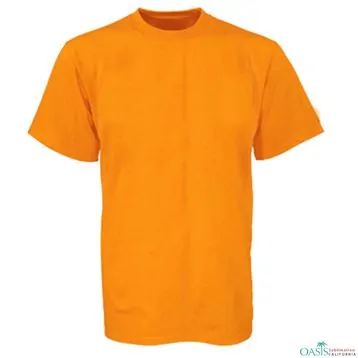
- How it works: These suppliers keep massive inventories of plain “blanks” (unprinted shirts) in various colors and sizes. You can buy them immediately and print on them yourself or hire a third-party printer.
- Top Example: RB T-Shirt Print Advertising, Shirt City Commercial and Lifeline Shirts.
B. Custom Garment Manufacturers
- Best for: Corporate uniforms, sports teams, and brands wanting unique cuts or panels.
- How it works: They build shirts from scratch. You choose the fabric, the collar style, the fit, and they handle the cutting, sewing, and branding (embroidery/printing).
- Top Example: RB T-Shirt Print Advertising, and Craft Clothing.
C. Offshore/International Manufacturers
- Best for: Large-scale retail brands needing thousands of pieces at the lowest unit cost.
- How it works: You work with a factory abroad (often Bangladesh or China) to import goods. This usually requires high Minimum Order Quantities (MOQ) but offers global-standard certifications.
- Top Example: RB T-Shirt Print Advertising, and SiATEX (Bangladesh-based supplier servicing the Philippines).
2. Key Considerations When Choosing a Supplier
Before you sign a purchase order, ask your supplier about these three critical factors:
Fabric Weight (GSM) and Composition
In the tropical Philippine climate, fabric choice is everything.
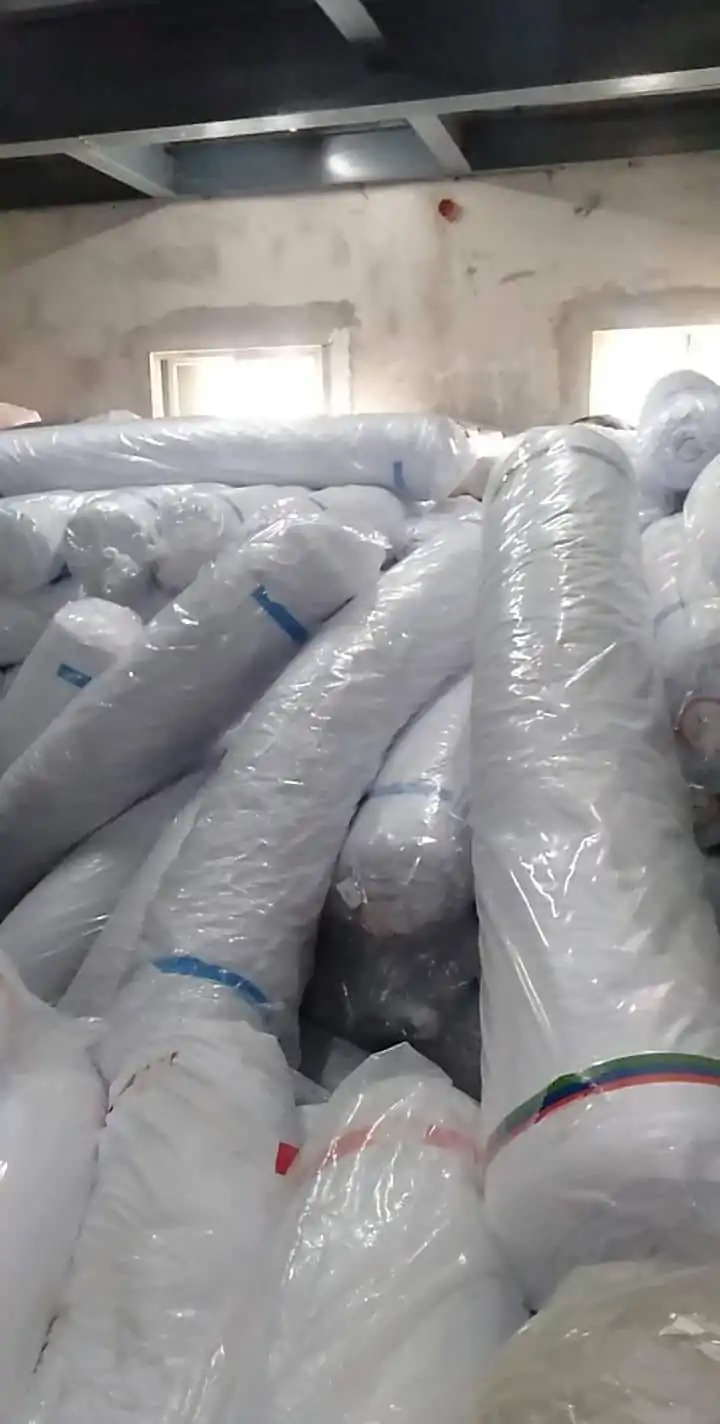
- Cotton-Polyester Blends (CVC): The industry standard for durability and comfort. Look for “Rich Cotton” blends that resist shrinking.
- 180 GSM (Lightweight): ideal for giveaways, election shirts, and budget-friendly merch. (e.g., Flipper fabric from Shirt City).
- 200+ GSM (Heavyweight): The premium choice for streetwear brands and high-quality corporate polos. (e.g., Whistler fabric).
Minimum Order Quantity (MOQ)
- Stockists: Often flexible. You might be able to buy a dozen shirts if they are in stock.
- Custom Manufacturers: Usually strictly enforce MOQs (e.g., 50 pieces is a common industry standard for custom jobs) to cover setup costs.
Customization Services
Do you need the supplier to print the shirts too?
- Silkscreen: Best for bulk orders with simple logos.
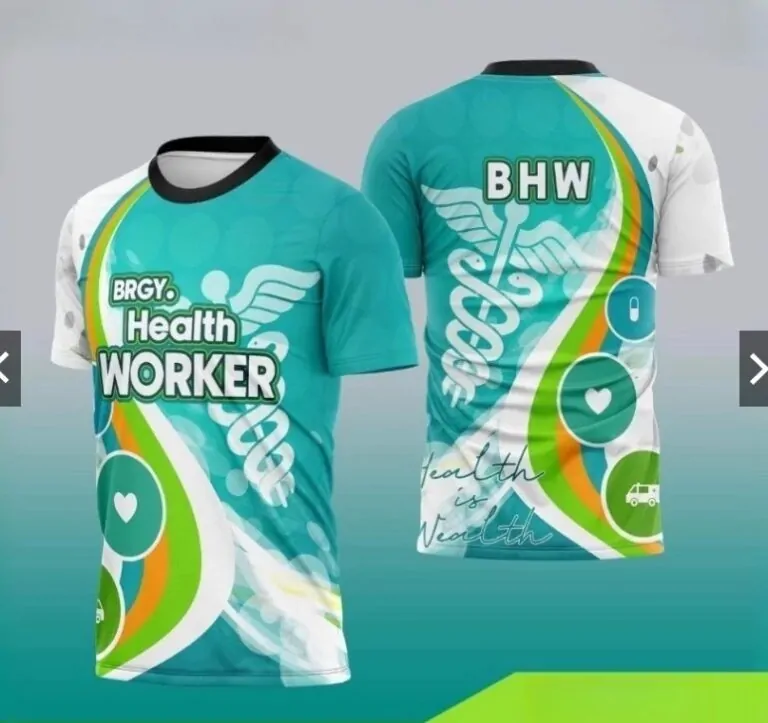
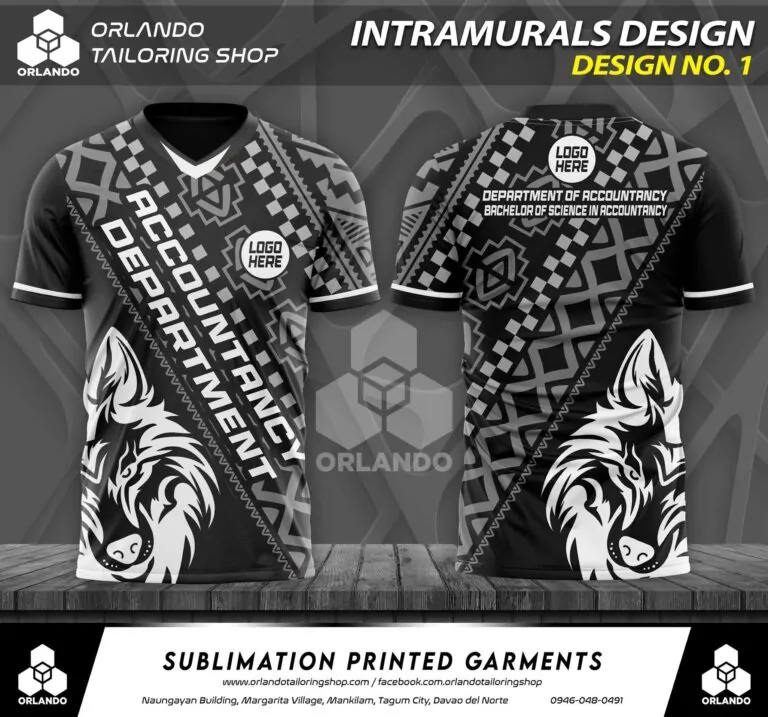
- Sublimation: Essential for full-color, all-over prints (common in jerseys).
- Embroidery: The professional standard for corporate polo shirts.
3. Supplier Spotlight: Who’s Who in the Market
Based on current market data, here is a breakdown of prominent suppliers serving the Philippines:
RB Tshirt Print Advertising
- Positioning: No. 1 T-Shirt Supplier
- Key Strength: Established in early 2000s and becoming a household name in Mindanao, Philippines.
- Best For: Corporate Events, Sporting Events, and Startup Clothing Brands
- Contact Information:
- Mobile Number: +639460480491
- Facebook: https://www.facebook.com/rbsublimationsignage
Lifeline Shirts
- Positioning: The “Premium Local Heritage” Brand.
- Key Strength: Established in 1990, they are a household name for “rich cotton blend” shirts. They are known for strict quality control (shrinkage resistance) and a vast palette of vibrant colors.
- Best For: Companies needing reliable, high-quality blanks for uniforms that won’t fade after a few washes.
Craft Clothing
- Positioning: The “One-Stop Shop” for Customization.
- Key Strength: Located in Quezon City, they specialize in end-to-end service. From design mockups to final production (polos, jackets, shirts), they handle it all. They have a strong portfolio of multinational clients.
- Best For: Marketing teams who need 50+ custom polos or jackets and want a supplier to handle the design and production headaches.
Shirt City Commercial
- Positioning: The “Wholesale Specialist.”
- Key Strength: With presence in Metro Manila (Binondo) and Cebu, they are accessible for businesses needing stock fast. They carry specific fabric lines like Whistler (heavy duty) and Comtex (versatile), allowing buyers to choose based on GSM requirements.
- Best For: Resellers and clothing lines looking for consistent fabric quality at wholesale prices.
SiATEX
- Positioning: The “Global Sourcing Partner.”
- Key Strength: An apparel manufacturer based in Bangladesh that exports to the Philippines. They hold international ethical certifications (Oeko-Tex, BSCI).
- Best For: Large enterprises or established brands that need to import massive quantities and require factory compliance transparency.
4. Pro-Tip for Buyers
Always Request a Sample. Never commit to a bulk order based on a picture alone. Fabric “hand feel” (how soft it is) and fit (Asian fit vs. American fit) vary wildly between suppliers.
- If buying local: Visit their showroom in Mindanao, Binondo or Quezon City.
- If buying custom: Ask for a “proto-sample” before full production runs.
By matching your business model (Reseller vs. Brand vs. Corporate) to the right type of supplier, you can ensure better margins and higher product quality.