Cut-Make-Trim (CMT) Manufacturing
In the world of garment manufacturing, choosing the right production model can make or break a fashion brand’s bottom line. If you are an emerging designer or a growing apparel brand, you have likely come across the term CMT.
But what exactly does Cut-Make-Trim entail, and is it the right choice for your business? In this guide, we break down the CMT process, compare it to other manufacturing models, and help you decide if it’s the right fit for your next collection.
What is CMT (Cut-Make-Trim)?
CMT is a service offered by garment factories that covers three specific stages of the production process: Cutting, Making, and Trimming.
In this model, the brand (the client) provides the raw materials including fabric, patterns, and notions while the factory provides the labor and machinery to assemble the finished product.
Three Stages of CMT:
- Cut: The factory receives the fabric and paper patterns (or digital CAD files). They lay out the fabric and cut the pieces according to the grading and size specifications.
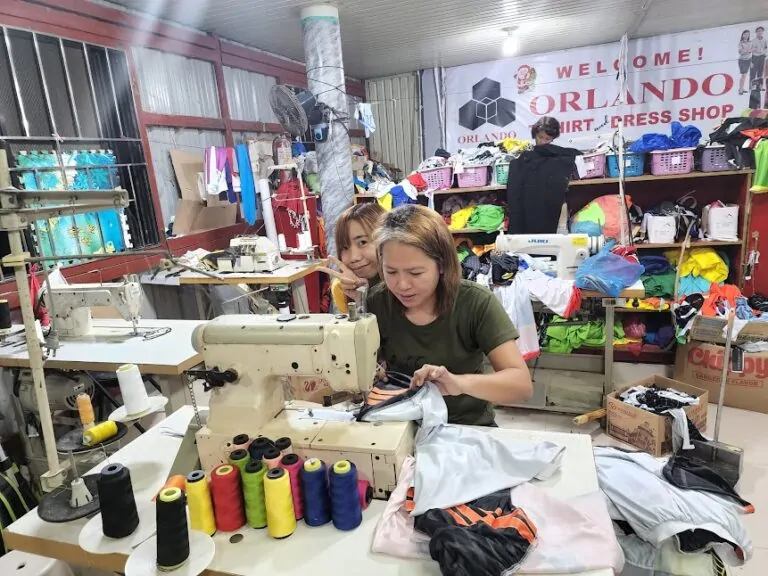
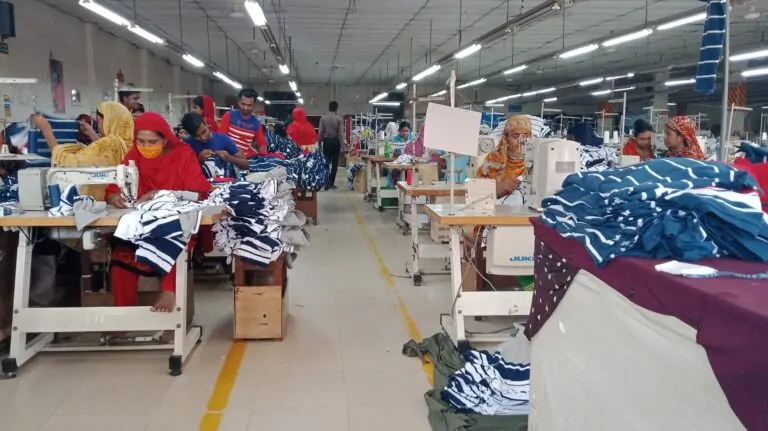
- Make: This is the sewing stage. Skilled machinists assemble the cut pieces into complete garments based on the provided tech pack.
- Trim: The final stage involves the “finishing touches”. This includes adding buttons, zippers, labels, and hangtags, as well as conducting quality control and packaging the items for shipping.
CMT vs. Full Package Production (FPP)
The main alternative to CMT is Full Package Production (FPP). The primary difference lies in who sources the materials.
- In FPP: The factory handles everything, including sourcing the fabric and trims, developing patterns, and manufacturing.
- In CMT: The brand is responsible for sourcing and delivering every physical component (fabric, thread, buttons, labels) to the factory.
Pros and Cons of CMT Manufacturing
Advantages
- Total Quality Control: Since you source the fabric and trims yourself, you have 100% control over the quality and sustainability of the materials.
- Cost Transparency: You know exactly what your fabric costs and what the factory labor costs, preventing hidden markups on materials.
- Smaller Minimums: CMT factories often cater to boutique brands and high-end designers who require smaller production runs (MOQs).
- Flexibility: It is easier to pivot or change components because you are not tied to the factory’s specific suppliers.
Challenges
- Logistics Management: You are responsible for ensuring the fabric arrives at the factory on time. If the fabric is late, the production line stops, and you may face penalties.
- Technical Knowledge Required: You must provide accurate patterns and tech packs. If there is an error in your pattern, the factory will cut it as-is, and the mistake is yours to bear.
- Waste Risk: In CMT, the brand pays for the fabric. If the factory makes a mistake, replacing the fabric is often the brand’s responsibility unless otherwise negotiated.
Is CMT Right for Your Brand?
CMT is generally the preferred choice for:
- Established Designers: Those who have specific fabric requirements or proprietary patterns.
- Luxury Brands: Where high-end, specialized fabrics are sourced from specific mills in Europe or Japan.
- Small-to-Medium Enterprises (SMEs): Brands that want to keep overhead low by managing their own supply chain.
If you are a complete beginner with no technical patterns or fabric contacts, you may find FPP easier, as the factory guides you through the entire development process.
What You Need to Provide a CMT Factory
Before you contact a CMT provider (like those found in Ireland, the UK, or Asia), ensure you have the following ready:
- Tech Pack: A detailed blueprint of your garment.
- Fabric: The correct yardage for your entire run, delivered to the factory.
- Patterns: Professionally graded patterns for all sizes.
- Trims & Labels: Buttons, zippers, care labels, and brand tags.
- Sample/Prototype: A “golden sample” that the factory can use as a reference for quality.
Contact Us
- MESSAGE US ON FACEBOOK: https://www.facebook.com/rbsublimationsignage
- CALL/TEXT: +639460480491