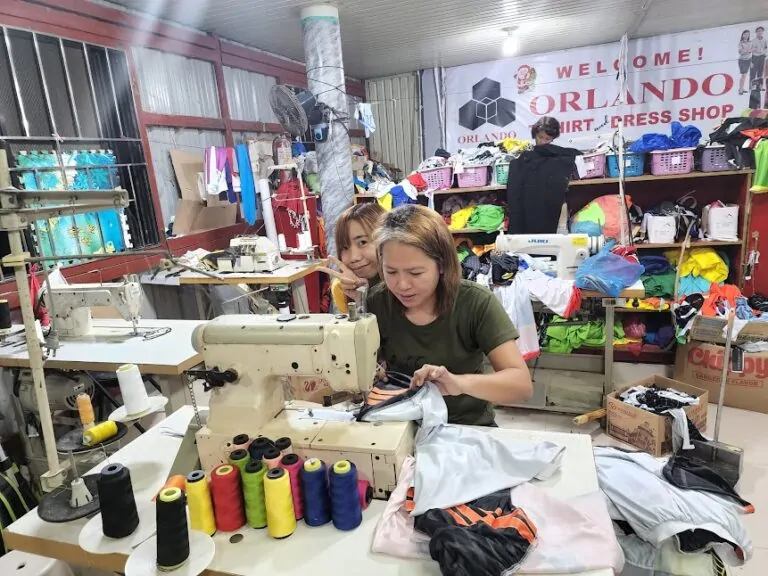

Garment Manufacturer in Bangladesh
Bangladesh has long established itself as a global titan in the apparel industry. As the world’s second-largest garment exporter, the “Made in Bangladesh” label is found in the wardrobes of millions, representing a multi-billion dollar industry that serves as the backbone of the nation’s economy.
In this article, we explore the current landscape of garment manufacturing in Bangladesh, from its economic significance to the innovative strides being made in sustainability.
Economic Engine of a Nation
According to the International Finance Corporation (IFC) and The Borgen Project, the Ready-Made Garment (RMG) sector is more than just an industry; it is a lifeline. It accounts for over 80% of Bangladesh’s total export earnings and employs approximately 4 million people – the majority of whom are women.
This sector has been a primary driver in reducing poverty across the country, providing formal employment and empowering a generation of workers.
Why Global Brands Choose Bangladesh
Major global retailers, including H&M, Zara (Inditex), Gap, and Walmart, rely heavily on Bangladeshi suppliers. According to reports from Fashion Network, the country’s appeal lies in its:
- Scale and Capacity: Manufacturers like Apparel Export and Garment Factory Bangladesh are equipped to handle massive volume orders that few other countries can match.
- Competitive Pricing: Efficiency and a specialized workforce allow for high-quality production at costs that remain competitive in the global market.
- Specialization: From basic knitwear and denim to complex outerwear, the technical expertise in Bangladeshi factories has evolved significantly over the last decade.
Shift Toward Sustainability: The “Green” Revolution
One of the most compelling narratives currently emerging from the sector is Bangladesh’s commitment to sustainability. As noted by Apparel Resources, Bangladesh is now home to some of the highest-rated LEED-certified green factories in the world.
Climate-Proofing the Industry
With the fashion world under pressure to reduce its carbon footprint, Bangladesh is actively working to “climate-proof” its jobs. Sources highlight that:
- Factories are investing in rainwater harvesting and solar energy.
- Circular fashion initiatives are being adopted to recycle fabric waste (jhut).
- The industry is positioning itself as a more sustainable alternative to competitors like Vietnam by focusing on long-term environmental compliance.
Current Challenges and the Path Forward
Despite its success, the industry is not without its hurdles. Recent reports from Apparel Resources and The Borgen Project highlight significant challenges:
- Job Security: Recent economic shifts and global inflation have led to reports of factory closures and job losses, impacting thousands of workers.
- Climate Vulnerability: As a low-lying nation, Bangladesh must constantly adapt its manufacturing infrastructure to withstand the increasing frequency of climate-related events.
- Global Competition: As brands look to diversify their supply chains, Bangladesh must continue to innovate to maintain its edge over rising manufacturing hubs.
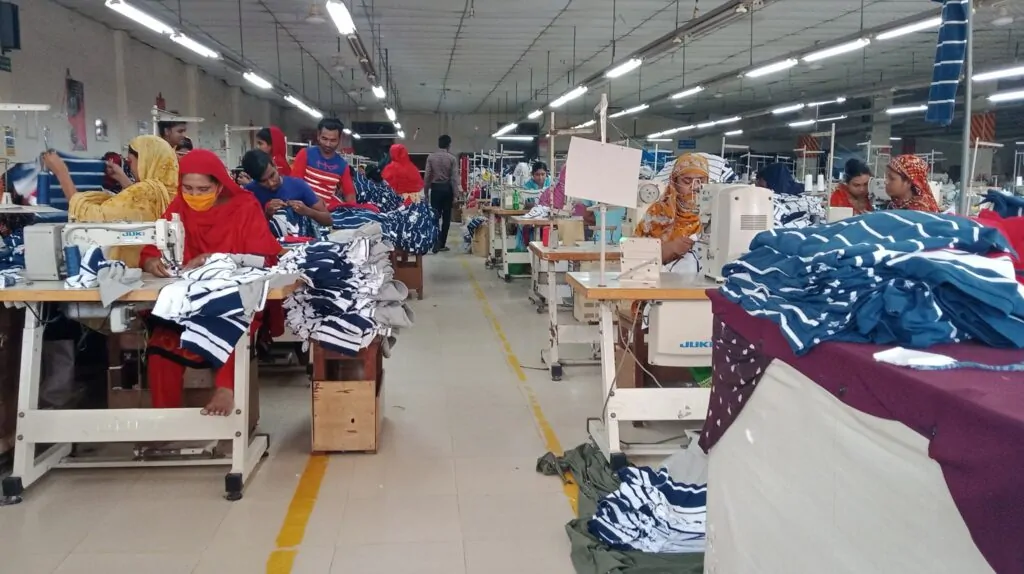
How to Partner with Bangladeshi Manufacturers
If you are a fashion brand looking to source from Bangladesh, platforms like BDWear and Garment Factory Bangladeshoffer gateways to connect with reputable suppliers. When choosing a partner, it is essential to prioritize:
- Compliance: Ensure the factory adheres to international labor and safety standards (building on the legacy of the Accord and Alliance).
- Lead Times: Understand the logistics of the Chittagong port for shipping timelines.
- Quality Control: Look for manufacturers with robust internal QC processes to ensure consistency.
Contact Us
- MESSAGE US ON FACEBOOK: https://www.facebook.com/rbsublimationsignage
- CALL/TEXT: +639460480491