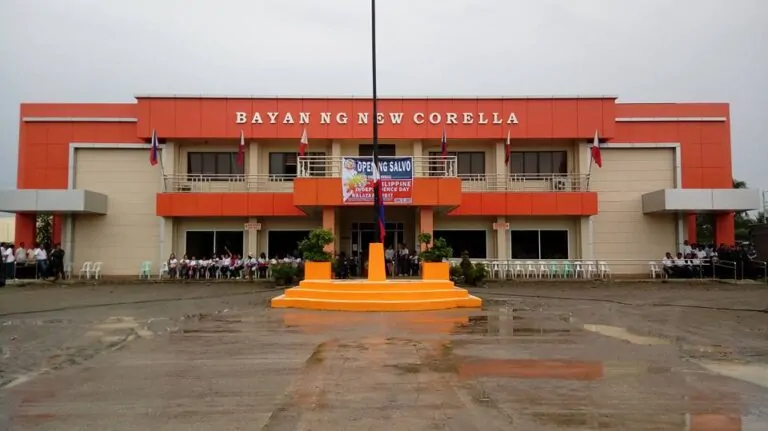

Cotabato City: Vibrant Heart of the Bangsamoro
Cotabato City is not just a destination; it is a living museum of Southern Philippine history, a center of religious harmony, and the proud administrative capital of the Bangsamoro Autonomous Region in Muslim Mindanao (BARMM).
Known as the “City of Stone” (Kuta Wato), this independent component city offers a unique blend of majestic Islamic architecture, Spanish colonial heritage, and a bustling modern economy. Whether you are a history buff, a pilgrim, or a foodie, Cotabato City has something profound to offer.
Journey Through Time: The Political Evolution
The name “Cotabato” is derived from the Maguindanaoan words kuta (fort) and wato (stone). Historically, it served as the capital of the Sultanate of Maguindanao, holding its ground as a powerful center of resistance and trade long before the Spanish arrival.
According to recent historical archives from the Bangsamoro Government, the city’s political journey is one of resilience. From being a chartered city in 1959 to its eventual integration into the BARMM via a historic plebiscite, Cotabato City has evolved into a symbol of peace and regional autonomy.
Fun Fact: Despite being geographically located within Maguindanao del Norte, Cotabato City is administratively independent, making it a “melting pot” where different cultures and governance styles meet.
Top Landmarks You Cannot Miss
If you are planning a visit, these are the must-see spots identified by local travelers.
Grand Mosque (Sultan Haji Hassanal Bolkiah Mosque)
As the largest mosque in the Philippines, this architectural marvel features stunning gold domes and minarets that pierce the skyline. It was funded in part by the Sultan of Brunei and sits majestically by the Tamontaka River.
Tamontaka Church
Built in 1872, this is the oldest church in the city. It is a testament to the city’s religious diversity, having served as a center for Jesuit missions. The church represents the harmonious coexistence between the Christian and Muslim communities in the region.
People’s Palace (City Hall)
A stunning example of Neo-Classical architecture combined with Moro design elements. The People’s Palace is the seat of the local government and is widely considered one of the most beautiful city halls in the country.
Kuta Wato Cave
The only cave system located in the heart of a Philippine city. Historically, these caves were used by Filipino soldiers as a sanctuary against Japanese forces during World War II.
Culture and Festivals: The Spirit of the Rio Grande
Cotabato City’s identity is deeply tied to the Rio Grande de Mindanao, the second-largest river system in the Philippines.
- Shariff Kabunsuan Festival: Celebrated every December, this festival commemorates the arrival of Shariff Kabunsuan, the Arab-Malay missionary who introduced Islam to Mindanao.
- The Guinakit: Watch the colorful parade of boats on the river, decorated with traditional Muslim fabrics and symbols.
Practical Travel Guide
Navigating a new city can be daunting. Here are a few tips gathered from official government guides:
- Getting Around: The primary mode of transport is the tricycle and the “multicab.” For a more scenic route, you can take a boat ride along the river.
- What to Eat: You cannot leave without trying Pastil – a Maguindanaoan staple of steamed rice topped with shredded chicken or fish wrapped in banana leaves. It’s delicious, affordable, and found on almost every street corner.
- Safety: The city is generally peaceful and welcoming. As with any travel, it is best to respect local customs, especially when visiting religious sites (dress modestly).
Why Cotabato City is “Shining”
In recent years, the “Shine Cotabato” campaign has highlighted the city’s transition into a modern urban hub. With new malls, hotels, and a growing tourism sector, the city is shedding its old image and emerging as a premier destination for MICE (Meetings, Incentives, Conferences, and Exhibitions) in Mindanao.