Bangladesh: An Overview of History, Leadership, and Regions
Bangladesh, located in South Asia, is a dynamic country spanning vibrant cultures, a deep historical legacy, and a rapidly developing economy. You will often recognize it for its vast river networks, lush green landscapes, and the Sundarbans. This incredible natural wonder acts as the largest mangrove forest in the world. Bangladesh offers much more than meets the eye.
Bangladesh History
The history of Bangladesh stretches back over four millennia. Hindu and Buddhist empires heavily shaped its early years, while Islam became the dominant influence from the 13th century onward. Over time, the Bengal region transformed into an economic powerhouse under the Mughal Empire.
In 1757, the British East India Company conquered the region. Following the partition of India in 1947, modern-day Bangladesh became ‘East Pakistan’. During this era, the region remained separated geographically and culturally from West Pakistan. Finally, after the momentous Liberation War in 1971, the people achieved independence and formed the sovereign nation we know today.
Bangladesh Government and Current Leadership
The country operates as a parliamentary democracy. The Government of Bangladesh, led by the Prime Minister, primarily exercises executive power. Meanwhile, the President serves mostly as a ceremonial head of state but retains significant powers during election transitions.
- President: Mohammed Shahabuddin (Assumed office on April 24, 2023)
- Prime Minister: Tarique Rahman (Assumed office on February 17, 2026, following the transition period overseen by former Chief Adviser Muhammad Yunus)
Bangladesh Major Cities and Administrative Divisions
To administer its highly concentrated population efficiently, the government divides the nation into eight major administrative divisions. These regions take their names from their respective capitals:
- Dhaka
- Chittagong (Chattogram)
- Khulna
- Rajshahi
- Sylhet
- Barisal
- Rangpur
- Mymensingh
Key Cities Powering the Economy
Urbanization is accelerating rapidly, and several massive cities drive the national economy:
- Dhaka: Capital and largest city, serving as the political, cultural, and economic center. It stands as a massive megacity with a population well over 10 million.
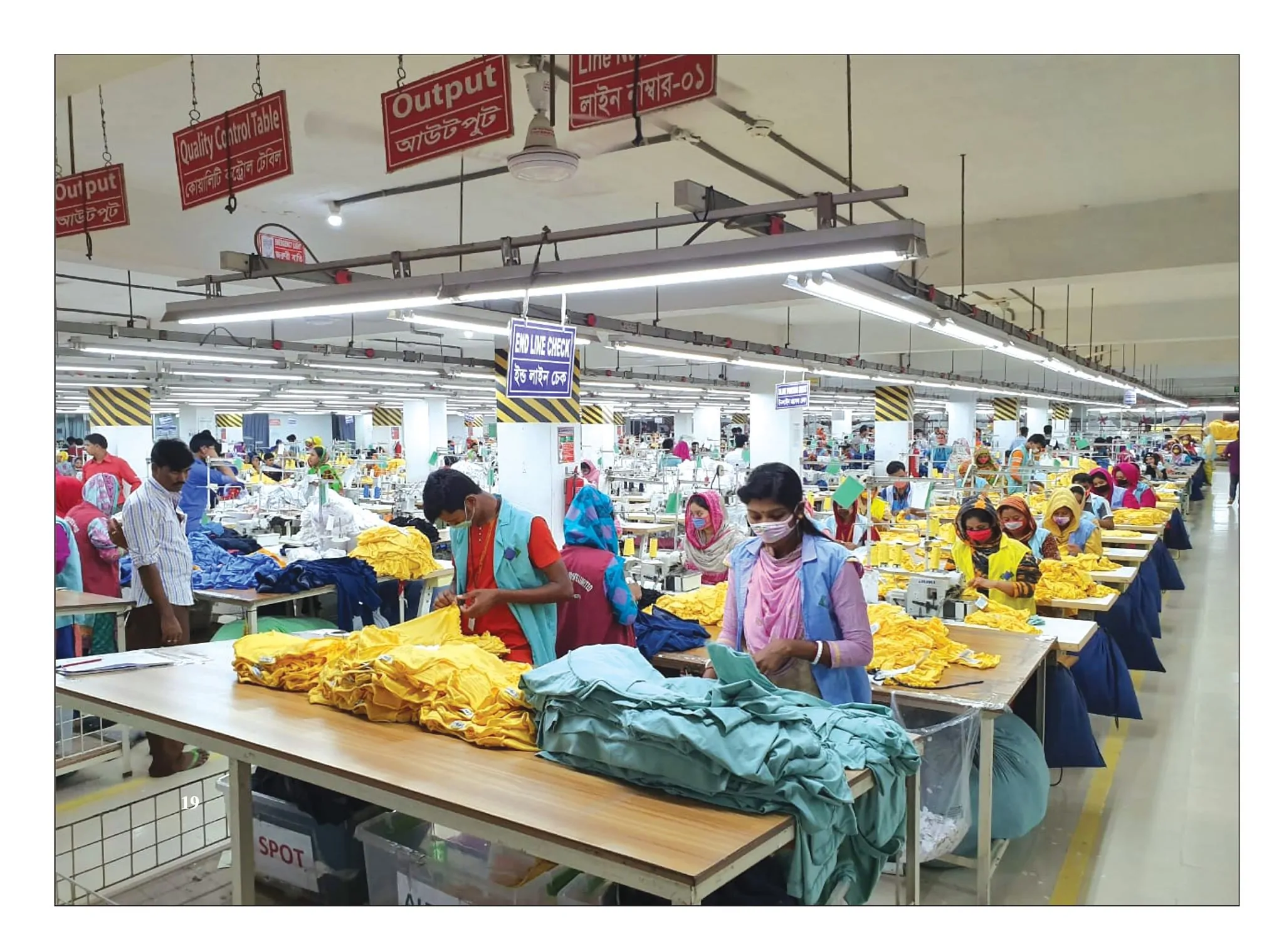
- Chittagong (Chattogram): Primary port city and the second-largest urban center. It remains crucial to the country’s massive garment and export industry.
- Sylhet: Located in the northeast, visitors know it for its rolling tea gardens, natural waterfalls, and prominent Sufi shrines.
- Khulna: An important industrial hub in the southwest that acts as a major gateway to the Sundarbans mangrove forest.
- Rajshahi: People often refer to it as “Silk City.” It functions as a major educational and cultural center in the northwest.
Whether you are interested in history, international trade, or geography, this nation holds a rich story and plays an increasingly significant role on the global stage. If you are conducting business, you can also explore our index of international trade partners.
Image Gallery
Contact Us
For more details or inquiries, please do any of the following:
- Call or text me at 09460480491
- Message us on Facebook at https://www.facebook.com/rbsublimationsignage/