
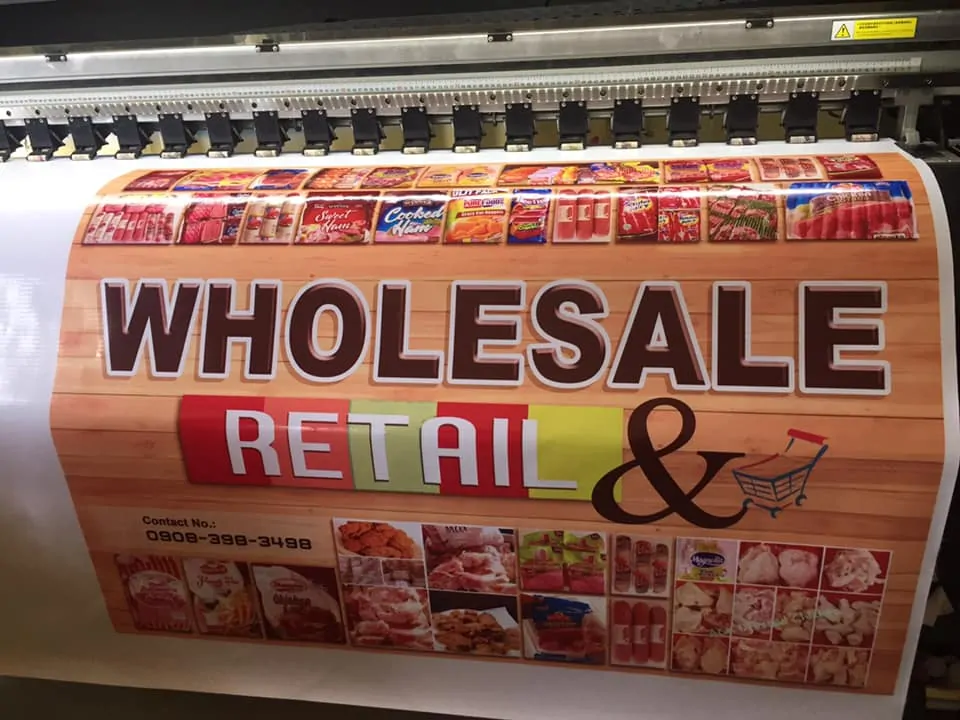
Simple Meat Shop Tarpaulin Design
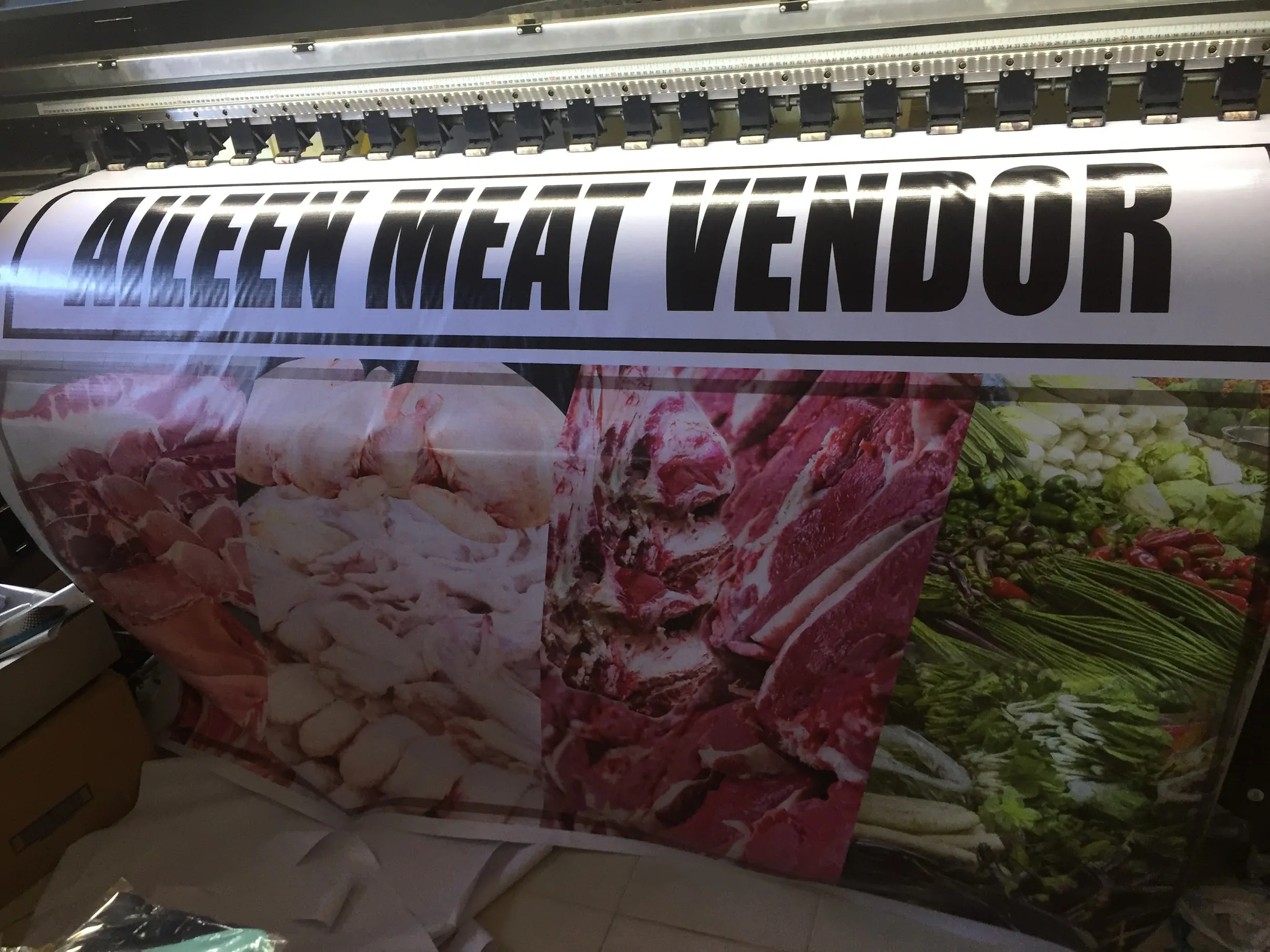
A well-designed tarpaulin is one of the most cost-effective marketing tools for a local meat shop. It serves as your primary storefront sign, informing passersby of your products, prices, and the quality of your meat. When it comes to meat shop signage, simplicity often works best to ensure that the message is clear and the food looks appetizing.
Here is a guide on how to create a professional and simple meat shop tarpaulin design that attracts customers.
Choose the Right Color Palette
The colors you choose play a significant role in how customers perceive your business. For meat shops, the most effective colors are:
- Red: This is the most common color for meat shops because it stimulates appetite and represents the product itself.
- White: White backgrounds are excellent for conveying a sense of cleanliness and hygiene, which is critical when selling food.
- Yellow or Orange: These are often used for accents or price tags to grab attention and highlight special deals.
- Black or Dark Brown: These can be used for a more “premium” or rustic butcher shop look, especially when paired with wood-texture backgrounds.
Use High-Quality Imagery
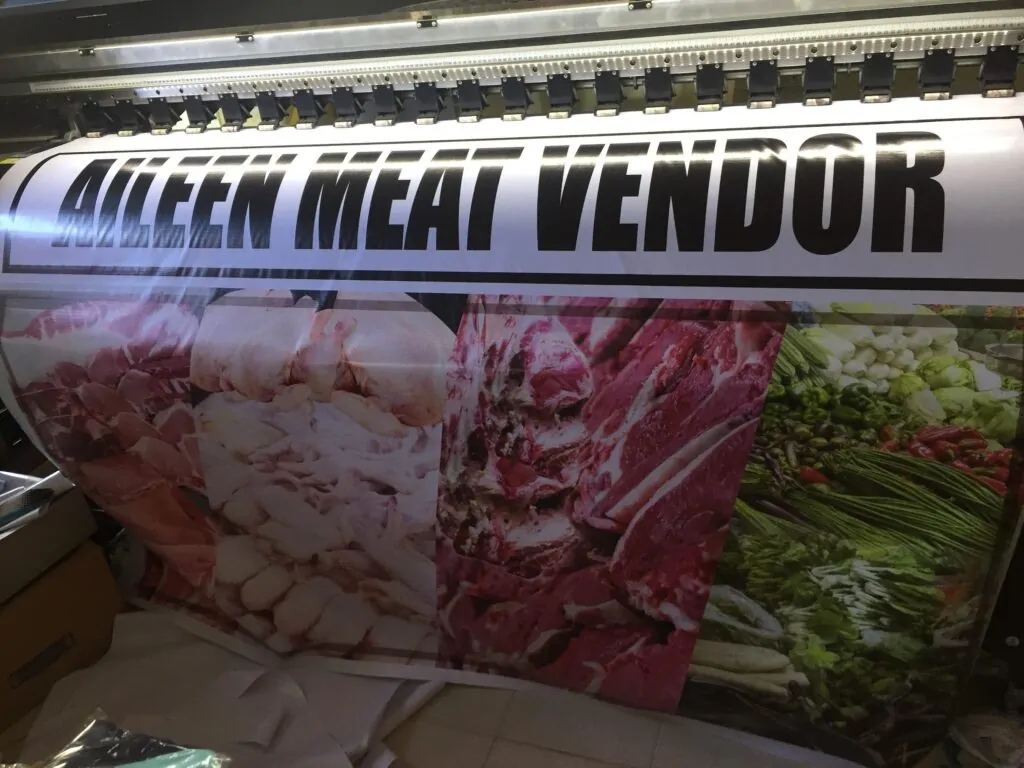
A simple design relies heavily on the quality of its visual elements. Instead of cluttering the tarpaulin with many small images, choose one or two high-resolution photos of fresh meat.
- Focus on Freshness: Use images that show bright red beef, fresh pork cuts, or clean poultry.
- Transparency: If possible, use “cut-out” images (PNGs) with no background to make the layout look cleaner and more modern.
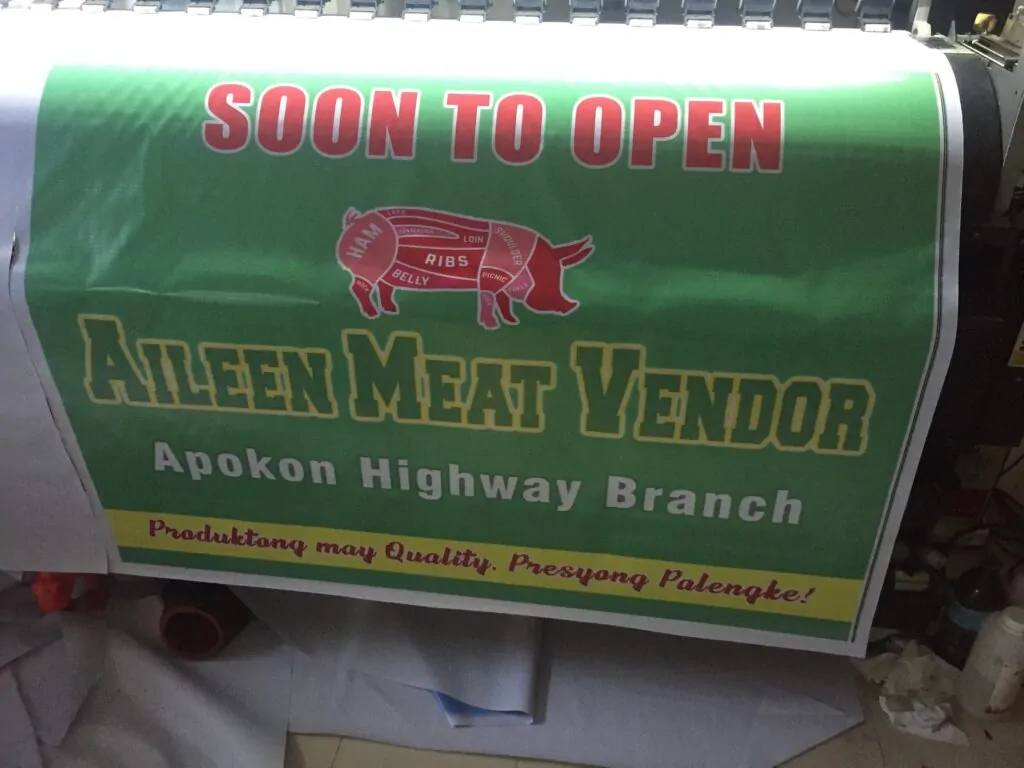
- Icons: Simple vector icons of a cow, pig, or chicken can effectively communicate what you sell without the need for complex photography.
Prioritize Clear Typography
Your shop’s name and your primary products should be readable from a distance.
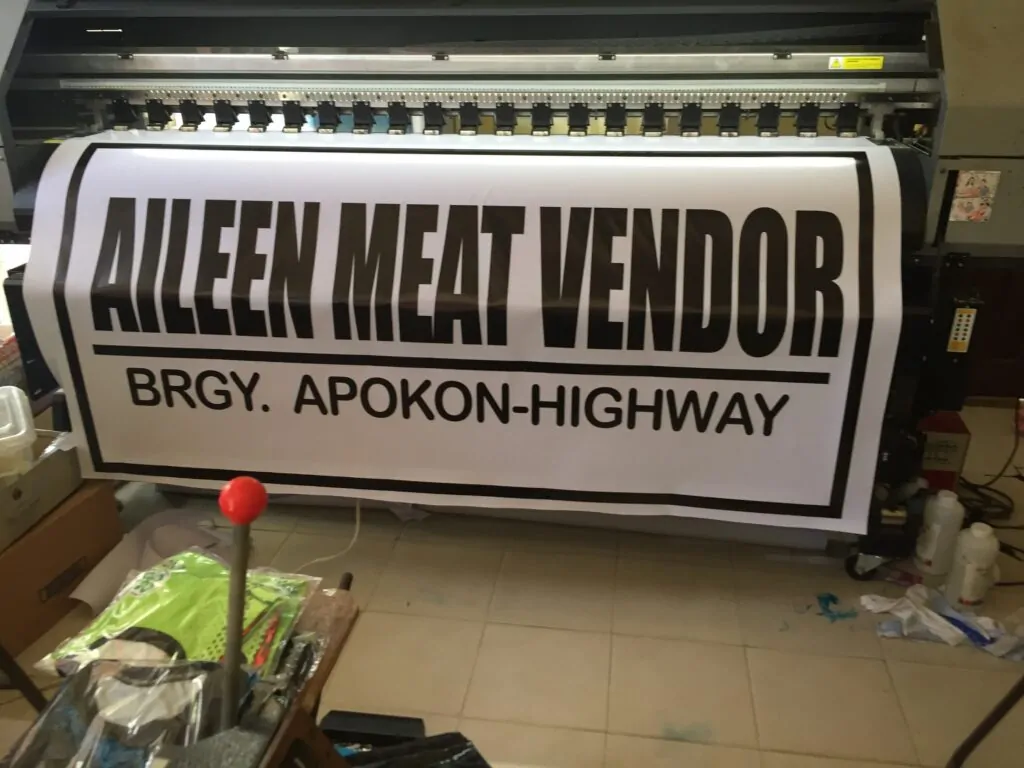
- Bold Fonts: Use thick, sans-serif fonts for the business name. Avoid overly decorative or cursive fonts that are hard to read at a glance.
- Hierarchy: The shop name should be the largest, followed by the products (e.g., Fresh Pork, Beef, Chicken), and finally the contact information.
- Contrast: Ensure the text color contrasts sharply with the background (e.g., white text on a red background or black text on a white background).
Essential Information to Include
Keep the text to a minimum to maintain a “simple” look. Every tarpaulin should include:
- Shop Name: The identity of your business.
- Product List: A short list of your main offerings (e.g., Pork, Beef, Frozen Foods).
- Price List (Optional): Many successful designs include a “Price Starts At” section or a dedicated space for daily prices.
- Contact Details: A phone number or social media handle so customers can place orders for pickup or delivery.
- Trust Signals: Small badges or text such as “NMIS Inspected” or “Fresh Daily” help build immediate trust with customers.
Standard Tarpaulin Sizes
Choosing the right size depends on your storefront space. Based on common industry standards, popular sizes for meat shop banners include:
- 2×3 feet: Ideal for small stalls or price lists.
- 4×2 feet: A versatile size for hanging above a display counter.
- 5×3 feet: A standard size for a main storefront sign.
- 24×18 inches: Great for specific product promotions or “Open” signs.
Design Layout Tips
- The Rule of Thirds: Place your main image on one side and your text on the other two-thirds of the banner to create a balanced look.
- Leave White Space: Do not feel the need to fill every inch of the tarpaulin. Empty space helps the important information stand out.
- Border: A simple border can help frame the design and make it look more finished.
By focusing on high-quality visuals, readable text, and a clean color scheme, you can create a tarpaulin that not only looks professional but also drives more foot traffic to your meat shop.
Shop Collection
Contact Us
- Call or text me at 09460480491
- Message us on Facebook at https://www.facebook.com/rbsublimationsignage/