City of San Juan, Metro Manila: History, Heritage & Lifestyle Guide
Known as the “Tiangge Capital of the Philippines” and deeply woven into the country’s fight for independence, the City of San Juan may be the smallest city in Metro Manila by land area, but it packs an immense historical and cultural punch. Located right in the heart of the metropolis, San Juan operates as a bustling center of commerce, heritage, and lifestyle.
Local Government and Barangays
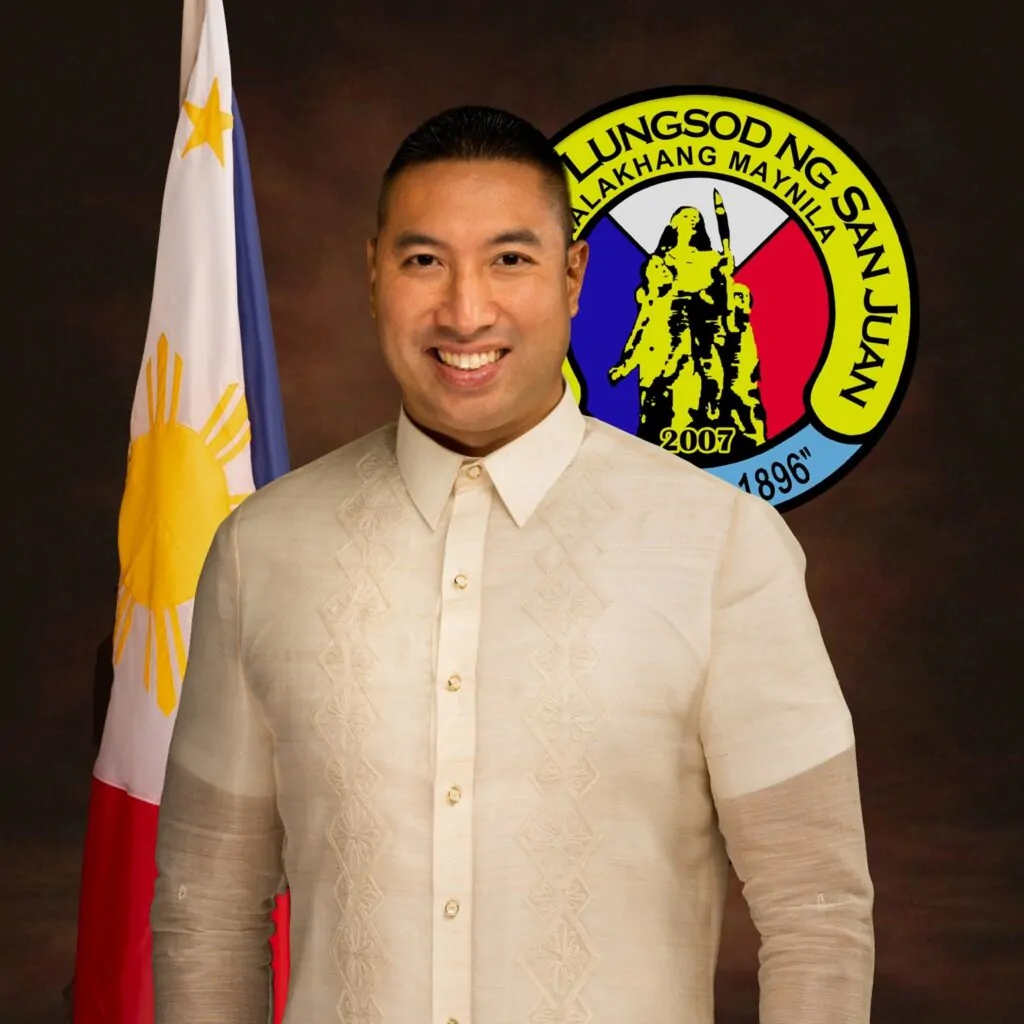
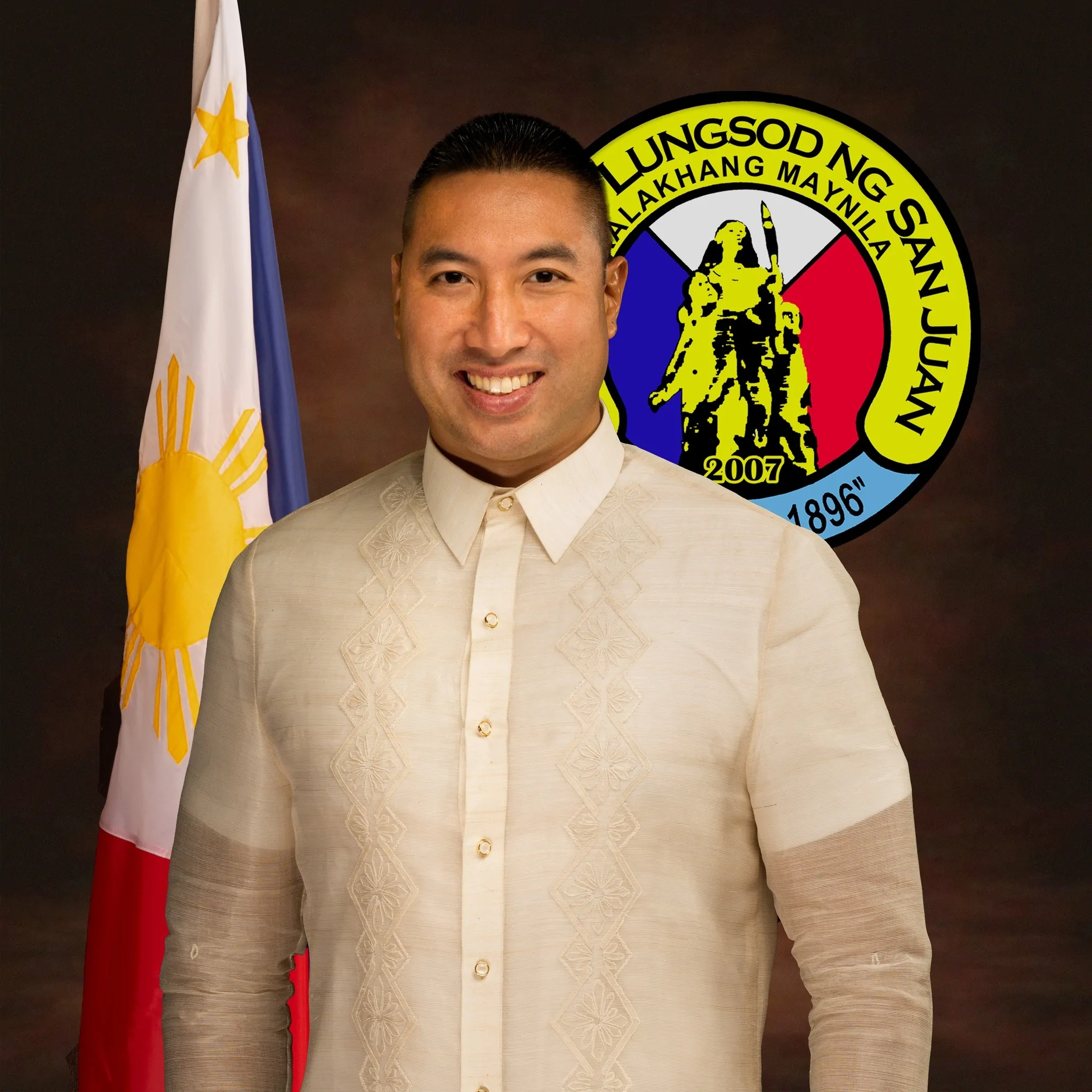
Mayor Francisco Javier “Francis” Zamora currently leads the City of San Juan (serving his third consecutive term as of 2026). The local government divides the city into two distinct legislative districts encompassing 21 dynamic barangays:
- District 1: Balong-Bato, Batis, Corazon de Jesus, Ermitaño, Pasadena, Pedro Cruz, Progreso, Rivera, Salapan, and San Perfecto.
- District 2: Addition Hills, Greenhills, Isabelita, Kabayanan, Little Baguio, Maytunas, Onse, Santa Lucia, Saint Joseph (Halo-halo), Tibagan, and West Crame.
A Glimpse into the Past
San Juan holds a remarkably sacred spot in Philippine history. It hosted the very first battle of the Philippine Revolution in 1896—the Battle of San Juan del Monte—where the brave Katipuneros clashed directly with Spanish forces. Before the Spaniards arrived, the area thrived as a village within the pre-Hispanic Kingdom of Namayan. The national government officially elevated it to a highly urbanized city of Metro Manila much later, granting its cityhood on June 17, 2007. If you enjoy historical facts, check out our guide on the oldest name of Makati.
Top Tourist Spots & Landmarks
Whether you are embarking on a historical pilgrimage or looking for the best shopping deals, San Juan has something for everyone:
- Greenhills Shopping Center: The ultimate commercial hub. Filipinos nationwide recognize it for its endless stalls of electronics, fashion finds, antiques, and authentic South Sea pearls.
- Pinaglabanan Shrine & Museo ng Katipunan: A vital historical memorial commemorating the bravery of the Katipuneros during the 1896 revolution. The nearby museum offers deep insights into the Philippine fight for freedom.
- Museo El Deposito: You will find this subterranean reservoir beneath the grounds of the Pinaglabanan Shrine. It stands as an engineering marvel from the Spanish era and also played a crucial role during the revolution.
- Santuario del Santo Cristo: Spanish friars originally established this beautiful, centuries-old stone church in 1602.
- Club Filipino: An exclusive social club noted for its historical significance. Most notably, Corazon Aquino swore her presidential oath here during the 1986 People Power Revolution.
How to Get There
Because of its highly central location—landlocked by Quezon City, Mandaluyong City, and the City of Manila—commuters can access San Juan extremely easily:
- By MRT and Bus: The most straightforward route for commuters involves taking the MRT-3 line and dropping off at the Santolan-Annapolis Station. From there, you can take a short walk or a quick jeepney ride directly into the Greenhills area.
- By Jeepney: Numerous jeepney routes traverse San Juan, particularly those coming from Cubao (Quezon City), Rosario (Pasig), and Quiapo/Divisoria (Manila).
- By Car/Ride-Hailing Apps: EDSA directly skirts the eastern edge of San Juan, while Ortigas Avenue cuts straight through it. This makes the city easily navigable via Grab or taxis from anywhere in the metro.
From exploring underground reservoirs to hunting for the perfect bargain, the City of San Juan offers a distinctive Metro Manila experience that seamlessly fuses the old with the new. Add it to your weekend itinerary today!
Image Gallery