12-digit HS Code List – United Arab Emirate (UAE)
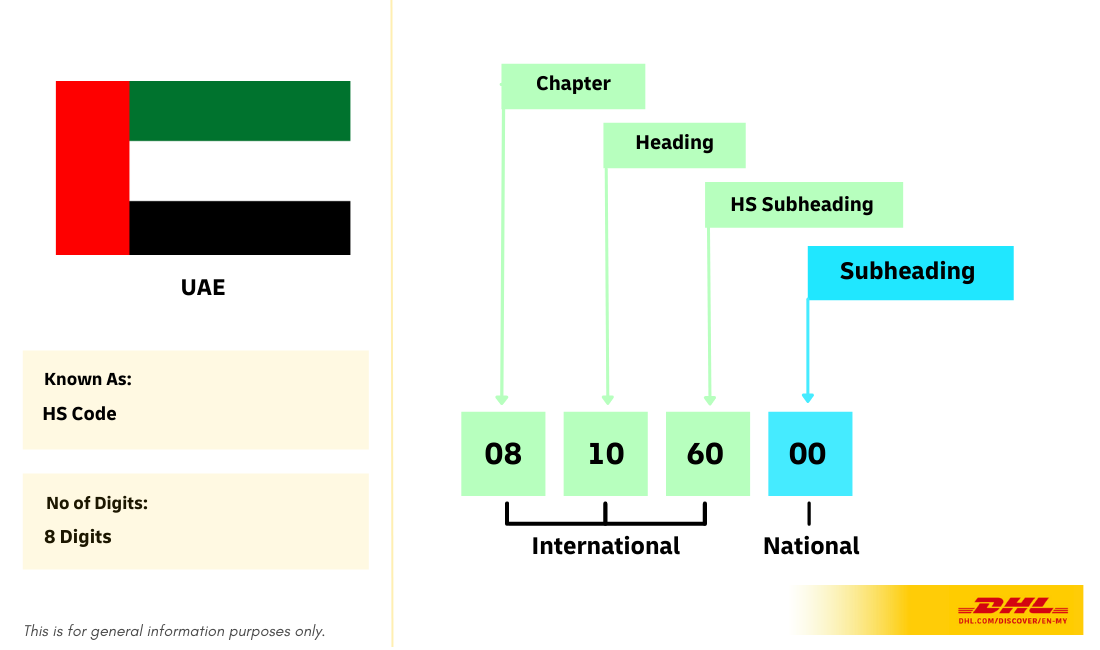
If you trade internationally within the United Arab Emirates, you must adapt to a major shift in goods classification. As of 2025, Dubai Customs and UAE authorities have replaced the traditional 8-digit Harmonized System (HS) codes with a detailed 12-digit Integrated Customs Tariff.
This guide explains the changes, the reasoning behind them, and the steps your business must take to remain compliant.
What defines an HS Code?
The Harmonized System (HS) provides a standardized numerical method for classifying products. The World Customs Organization (WCO) developed these codes so customs authorities worldwide can identify products, assess duties, and gather trade statistics efficiently.
While the first six digits remain globally standardized, individual countries and economic unions like the GCC add extra digits to achieve more specific classification.
Evolution: Transitioning to 12 Digits
The UAE previously utilized an 8-digit code system that aligned with the Gulf Cooperation Council (GCC) Unified Customs Tariff. The move to a 12-digit system enables greater transparency and more granular data collection.
Anatomy of the 12-Digit Structure
The new 12-digit code functions as a detailed identity card for your cargo. Each section identifies specific attributes:
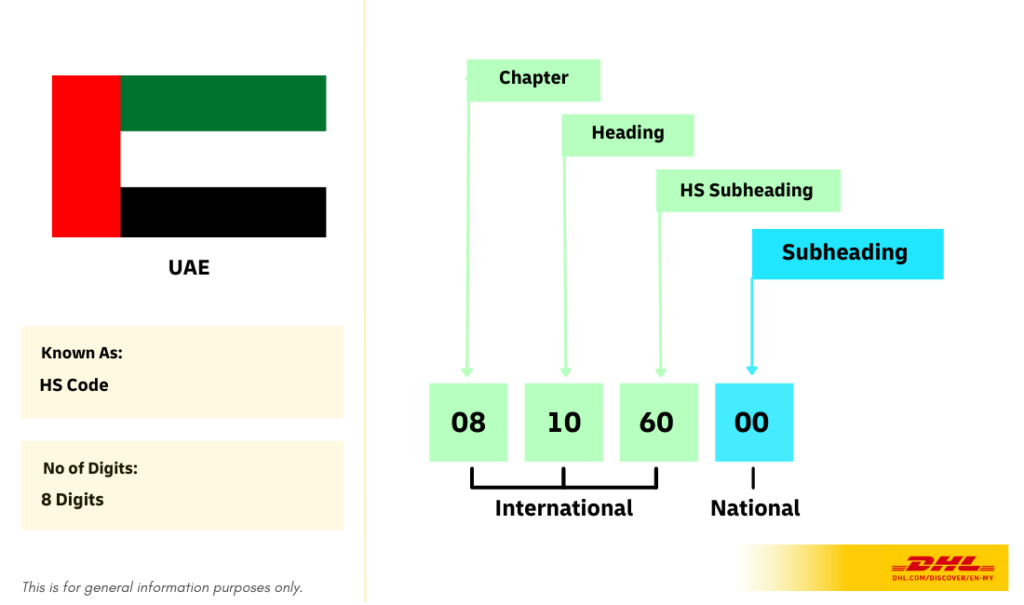
- Digits 1–6 (International): These follow the WCO standard that over 200 countries use. They identify the chapter, heading, and sub-heading of the product.
- Digits 7–8 (GCC Regional): These digits align with the GCC Unified Tariff to ensure consistency across member states like Saudi Arabia and Oman.
- Digits 9–12 (UAE National): These four digits belong specifically to the UAE. They allow local authorities to track statistical data, apply national regulations, and monitor specific commodities.
Why the UAE Mandated This Change
The transition to the Integrated Customs Tariff supports several strategic UAE goals:
- Precision in Trade Statistics: More digits allow the government to monitor exactly what enters and leaves the country.
- Strict Compliance: Detailed classification prevents the misdeclaration of goods and ensures businesses pay correct duties.
- Enhanced Security: Certain products require permits from “Controlled Agencies” (such as MoIAT or MoHAP). The 12-digit system flags items that need specific health or safety approvals immediately.
- Digital Acceleration: This update supports the UAE’s transition toward a fully paperless, AI-driven logistics environment.
How to Locate the Correct 12-Digit HS Code
Finding the right code prevents border delays and unexpected fines. Use these primary resources:
- Dubai Customs Portal: The official website and the Mirsal II system host the most updated “Integrated Tariff” list.
- Customs Brokers: Authorized clearing agents maintain access to the full database and can classify complex items for you.
- WCO Resources: Use World Customs Organization tools to establish the foundation (the first six digits) for any product.
Action Plan for Businesses
Importers, exporters, and logistics providers should take the following steps immediately:
- Update ERP Systems: Transition your internal product databases from 8-digit codes to the 12-digit format.
- Revise Commercial Invoices: Ensure all shipping documents, including packing lists, reflect the 12-digit classification.
- Verify Duty Rates: Because the new system is more specific, the duty rate for your sub-item might have changed.
- Coordinate with Partners: Confirm that your freight forwarders and brokers use the correct 12-digit codes for your frequent shipments.
Image Gallery
Contact Us
- Call or text me at 09460480491
- Message us on Facebook at https://www.facebook.com/rbsublimationsignage/