Guangzhou Baiyun International Airport IATA Code
When travelers book a flight to Southern China, they often notice the three-letter code CAN on their boarding pass. This code represents Guangzhou Baiyun International Airport, a massive aviation hub that anchors the Pearl River Delta.
While most modern airport codes reflect the city’s current name, Guangzhou’s code tells a story of the city’s merchant history.
History Behind the “CAN” Code
Many people wonder why the airport uses CAN instead of a code like “GUA”. The answer lies in the city’s historical name: Canton.
For centuries, international traders referred to Guangzhou as Canton. When the International Air Transport Association (IATA) assigned codes to global airports, they used this romanized name. Because these codes integrate into complex global logistics and booking systems, the aviation industry rarely changes them. Today, “CAN” serves as a permanent nod to Guangzhou’s legacy as a premier international trading port.
Key Airport Specifications
- IATA Code: CAN
- ICAO Code: ZGGG
- Primary Hub: China Southern Airlines (the airport’s main carrier), FedEx Express, Hainan Airlines, and Shenzhen Airlines.
- Location: The facility sits approximately 28 kilometers (17 miles) north of downtown Guangzhou, spanning the Huadu and Baiyun districts.
From Old to New: 2004 Transition
Guangzhou actually operates a “new” version of Baiyun International. The original airport, established in 1933, sat much closer to the city center. As Guangzhou grew into a global megacity, the old site could no longer handle the increasing traffic.
On August 5, 2004, the city moved all operations to the current location. This massive overnight relocation allowed the airport to expand to nearly five times its original size. Today, the infrastructure supports over 70 million passengers annually through a sophisticated network of three active runways and expansive terminal space.
Navigating the Terminals
The airport features two primary terminals designed for high-efficiency travel:
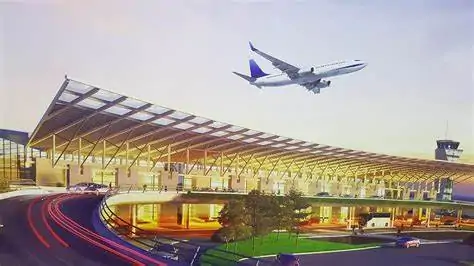
- Terminal 1 (T1): Known for its iconic curved roof, this terminal handles a wide range of domestic and international flights.
- Terminal 2 (T2): Opened in 2018, this state-of-the-art facility serves as the primary base for China Southern Airlines and its partners. It utilizes advanced technology, including automated baggage drops and self-service check-in kiosks, to speed up the passenger experience.
Transportation and Logistics
Guangzhou Baiyun functions as more than just a passenger gate; it is a vital organ for global commerce. It serves as the primary Asian hub for FedEx Express, linking Chinese manufacturing to the rest of the world.
For travelers, the airport offers seamless connectivity to the city:
- Metro: Guangzhou Metro Line 3 connects both terminals directly to the city center.
- Express Buses: Frequent shuttle services run between the airport and major hotels or transport hubs.
Whether you are attending the Canton Fair or connecting to a destination in Southeast Asia, Guangzhou Baiyun International (CAN) stands as a world-class facility that perfectly blends historical identity with futuristic technology.
Image Gallery