Cool Fabric
Whether you are an athlete looking for performance gear, a commuter trying to survive the summer heat, or a designer looking for the next “cool” print, understanding fabric technology is a game changer.
But what exactly makes a fabric “cool”? Is it the way it’s woven, a chemical treatment, or just a clever marketing term? In this guide, we dive into the science of cooling textiles – from high-tech moisture-wicking yarns to the most stylish designer prints.
Science: What Makes a Fabric “Cool”?
According to textile experts like Eysan and Sportingtex, cooling fabrics generally work through three primary mechanisms:
- Thermal Conductivity: Some fibers (like nylon or specially engineered minerals) can transfer heat away from your skin faster than others. This provides that “instant chill” feeling when you first touch the fabric.
- Moisture Management (Wicking): Fabrics like Rochas AirCool or micro-cool mesh are designed to pull sweat away from the body to the outer surface of the fabric, where it can evaporate quickly.
- Evaporative Cooling: As sweat evaporates, it takes heat with it. Advanced fabrics use unique cross-sections (like X-shaped or Y-shaped fibers) to increase surface area and speed up this process.
Technical vs. Chemical Cooling
Not all cooling fabrics are created equal. Depending on your needs, you might choose one of these two categories:
- Yarn-Based Cooling (Permanent): These fabrics use specialized yarns (often infused with cooling minerals) or unique structural knits. Because the cooling property is built into the DNA of the fiber, it won’t wash out over time.
- Chemical Finishes (Temporary): Some fabrics are treated with a cooling finish (like Schoeller’s Coldblack technology). These are excellent for reflecting UV rays and keeping dark colors cool, though they may eventually lose efficacy after many washes.
How is “Coolness” Tested?
If you’ve ever seen a “Q-max” value on a clothing tag, that is the industry standard for measuring a fabric’s Instant Cool Touch Feeling.
- Q-max Test: This measures the peak heat flux from the skin to the fabric. The higher the number (e.g., above 0.2), the cooler the fabric feels to the touch. Chiuvention notes that this is the most reliable way to verify if a fabric will actually provide relief in high temperatures.
Popular Types of Cool Fabrics
Based on current market trends and high-performance sources, here are the top fabrics to look for:
AirCool and Mesh Fabrics
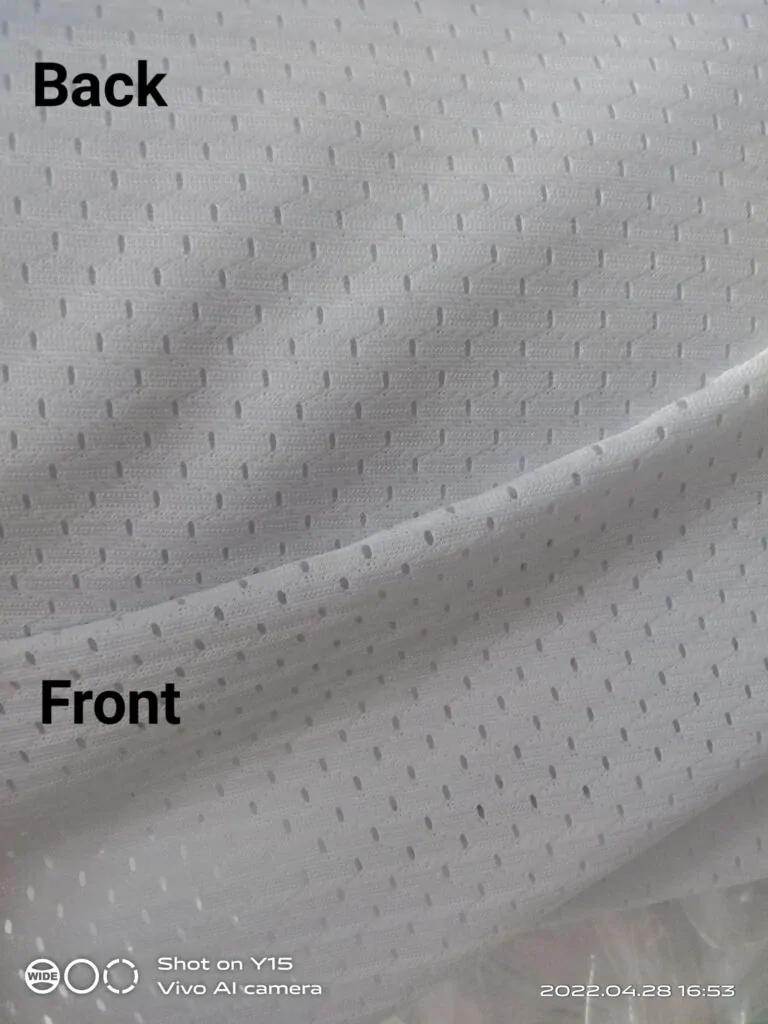
Perfect for jerseys and uniforms, Rochas AirCool and Micro-Cool Mesh offer maximum breathability. The “holes” in the mesh construction allow for massive airflow, making them the go-to for high-intensity sports.
Summer-Cool Polyester
Modern polyester has come a long way. Summer-cool polyester variants are lightweight, anti-wrinkle, and specifically engineered to be breathable, unlike the heavy polyesters of the past.
Designer “Cool”: Style Meets Substance
“Cool” isn’t always about temperature; sometimes it’s about the aesthetic. Designers like Alexander Henry produce “cool” printed cottons that are popular for summer shirts because they combine breathable natural fibers with edgy, contemporary designs.
Tips for Choosing the Right Fabric
- Check the Weight: For summer, look for “lightweight” or “GSM” (grams per square meter) below 150.
- Look for “Cool Touch”: If shopping in person, press the fabric against your inner forearm. If it feels instantly cold, it likely has high thermal conductivity.
- Consider the Color: While “Cool Grey” or “Marble” patterns are aesthetically soothing, remember that technical treatments (like Coldblack) can allow even dark fabrics to stay cool in the sun.