
Microdex Fabric for Sublimation Printing
Microdex is an engineered micro-denier polyester interlock knit manufactured specifically for high-definition dye sublimation printing. With its silky peach-skin surface, high filament density, and true neutral white base, Microdex produces razor-sharp edge contrast and deep black saturation without bleeding or color drift. This comprehensive guide details technical specifications, yardage yields, print heat profiles, martial arts and sportswear use cases, and wholesale buying options in the Philippines.
Technical Specifications & Quality Metrics
Engineered tolerances for garment manufacturers, sublimation workshops, and uniform designers planning cut layouts and ink profiles.
| Physical Property | Specification Value | Manufacturing & Printing Significance |
|---|---|---|
| Fiber Composition | 100% Micro-denier Filament Polyester | Continuous synthetic filaments bind sublimation disperse dye directly into polymer molecules during thermal activation. |
| Fabric Weight | 140 to 150 GSM (Grams per Square Meter) | Lightweight athletic density balancing structural drape with active tropical airflow and moisture wicking. |
| Cuttable Roll Width | 64 inch (approx 162.5 cm) open flat width | Knitted as a continuous tubular roll (30 to 32 inches) and slit open to 64 inches, maximising garment pattern nesting efficiency. |
| Fabric Yield | Approx 4.5 yards per kilogram (approx 4.1 m/kg) | Higher yield per kilo than standard 180 GSM polyester, lowering unit fabric cost per finished t-shirt or jersey panel. |
| Knit Configuration | Dual-faced micro-interlock knit | Identical smooth texture on face and reverse sides, preventing edge curling during spreading and precision panel cutting. |
| Optical Whiteness | True White (neutral chromatic base) | Free of excessive blue optical brightening agents, ensuring precise PANTONE matching and flesh-tone rendering in digital sublimation. |
| Thermal Tolerance | Up to 215°C dimensional stability | Zero heat press shrinkage or fiber melting at standard 200°C sublimation heat transfer conditions. |
| Surface Abrasion | Grade 4 to 5 anti-pilling resistance | Dense micro-filament weave resists contact pilling and friction against sports gear, tactical chest protectors, and backpacks. |
Ultra-Smooth Micro Surface
Individual micro-filaments create an exceptionally flat surface tension that holds microscopic ink droplets in precise position before sublimation gassing, eliminating dot gain.
True White Color Accuracy
Unlike bluish-white fabrics that distort yellow, flesh-tone, and warm gradients, Microdex features a clean neutral white base that preserves your exact graphic design values.
High Tear & Abrasion Resistance
The interlocked micro-filament matrix withstands rigorous contact sports, martial arts stick drills, and repeated commercial washing without fuzzing or thinning.
The Science of Microdenier Polyester
Understanding why filament fineness transforms moisture movement, hand feel, and digital sublimation resolution.
Is Microfiber an Actual Fabric or a Generic Term?
In textile engineering, microfiber is not a proprietary fabric brand or plant species. It is a precise physical measurement defining any synthetic filament measuring less than 1 denier (or 1 dtex) per filament. To visualize this scale, a single micro-filament is finer than one tenth the diameter of a human hair and finer than natural silk. When these ultra-fine filaments are spun together into yarns and knitted in a double-interlock configuration, the resulting performance fabric is called Microdex.
Capillary Moisture Transport
Rather than relying on coarse open holes like pinhole mesh, Microdex pulls sweat from the skin through thousands of micro-capillary channels created between individual micro-filaments, accelerating surface evaporation.
Sub-Micron Pore Density
Because micro-filaments pack tightly, the knitted surface creates micro-spaces that deflect wind and UV rays while allowing hot air and vapor to exhaust freely from the skin.
Deep Dye Solidification
Sublimation inks turn into gas at 200°C and bond directly with polyester polymers. Micro-filaments present dramatically more surface area per square inch, creating deeper blacks, crisper lines, and richer color gradients.
Knit Anatomy: Why Interlock Construction Outperforms Single Jersey
The mechanical difference between standard single-knit polyester and double-knit micro-interlock.
Micro-Interlock (Microdex)
Microdex is knitted with two alternating sets of needles, interlocking two distinct rib fabrics face-to-face. This creates a balanced, dual-smooth textile that does not curl on cutting tables. It provides firm horizontal recovery, excellent opacity, and a luxurious peach-skin drape without adding bulk.
Conventional Single Jersey
Single jersey uses one set of needles, giving it a clear front (knit stitch) and back (purl stitch). Under industrial cutting and tension, single jersey edges curl inward, complicating panel alignment. It also tends to be more prone to snagging and horizontal laddering during intense athletic contact.
Philippine Sublimation Fabric Comparison Guide
How Microdex compares directly against Polydex, Challenger, Microcool, and specialized athletic knits in the local market.
| Fabric Name | Weight (GSM) | Yield (Yd/Kg) | White Tone | Surface Texture | Best Suited Garments |
|---|---|---|---|---|---|
| Microdex | 140 to 150 GSM | Approx 4.5 yd | True White (neutral) | Ultra-fine peach-skin interlock | High-definition jerseys, riding shirts, martial arts, esports |
| Polydex | 160 to 180 GSM | Approx 3.8 yd | Bluish White (brightened) | Smooth, structured polyester interlock | Basketball shorts, polo shirts, standard team uniforms |
| Challenger 2 | 140 to 160 GSM | Approx 4.2 yd | Natural White (warm) | Lightweight sports mesh/interlock | Intramural shirts, school PE uniforms, budget bulk orders |
| Microcool | 140 GSM (150 to 180 stretch) | Approx 5.1 yd | Clean White | Needle-hole mesh with cooling pores | Running singlets, basketball tops, high-ventilation activewear |
| Hexatex | 150 to 170 GSM | Approx 4.0 yd | Bright White | Honeycomb micro-geometric knit | Modern athletic jerseys, corporate active polos, accents |
| Microstretch | 180 to 220 GSM | Approx 3.2 yd | Soft White | Polyester spandex four-way stretch | Compression rashguards, grappling spats, cycling shorts |
Why White Shade Matters for Sublimation Printers
In sublimation printing, fabric is your white ink. When using optical-brightened fabrics with a bluish-white cast (common in standard Polydex), light colors like warm yellows, pale skin tones, and soft beige can shift noticeably toward green or cool gray. Microdex uses a clean True White shade with neutral chromatic balance, allowing graphic artists to reproduce exact brand guidelines and lifelike portrait gradients without color compensation.
Real-World Apparel Applications
From martial arts training gear to motorcycle riding apparel and championship esports jerseys, Microdex is chosen for endurance and visual brilliance.
Combat Sports & Martial Arts
Filipino martial arts practitioners and master makers, such as Smoking Sticks Arnis Cane Maker for their official D.A.S. Shirt, select Microdex for intensive Arnis, Eskrima, and Kali training. The tight micro-interlock weave withstands the repetitive friction of rattan cane strikes, padded armor, and grappling without pilling or snagging.
Motorcycle & Motocross Riding Jerseys
Riders demand fabrics that shield against wind chill and intense sun while moving comfortably beneath protective jackets and armor. Microdex provides UV deflection, non-binding sleeve stretch, and moisture evaporation on long Philippine highway tours.
Professional Esports Uniforms
Esports jerseys demand extreme graphic detail, including intricate sponsor emblems, geometric vector patterns, and smooth neon gradients. Microdex delivers non-reflective photographic clarity that looks crisp both on camera and under arena stage lighting.
Athletic Warm-Up & Shooting Shirts
For basketball and volleyball pre-game apparel, Microdex provides a soft, non-abrasive hand feel against warm skin, helping players maintain thermal equilibrium without feeling weighted down by sweat.
Corporate & Organizational Event Tees
Companies and civic groups choose Microdex for company outing shirts, fun runs, and anniversary apparel because it retains its crisp shape, avoids wrinkles, and endures dozens of wash cycles without fading.
Tailoring Shops & Garment Makers
Commercial tailoring businesses stock Microdex rolls because the fabric cuts cleanly without fraying, runs smoothly through automated 4-thread overlock machines, and produces consistent sizing across bulk production runs.
Dye Sublimation & Printing Production Guidelines
Recommended industrial press profiles and transfer practices for clean, vibrant results on Microdex.
1. Preliminary Moisture Purge (Pre-Press)
Before applying transfer paper, pre-press fabric panels for 3 to 5 seconds at 190°C with light pressure. This evaporates ambient humidity absorbed during storage, preventing steam blur and discoloration during the main transfer cycle.
2. Sublimation Heat Press Parameters
Set heat press platen temperature between 195°C and 205°C (385°F to 400°F). Apply medium-firm mechanical pressure (approx 40 to 50 PSI or 2.8 to 3.4 bar) for 35 to 45 seconds. Microdex handles these temperatures without scorching or shrinking.
3. Rapid Hot Peel & Gas Dissipation
Open platen smoothly and remove sublimation transfer paper immediately in one continuous motion. Rapid hot peeling prevents latent dye vapor from settling back onto white areas, eliminating ghosting around crisp vector typography.
4. Alternative Printing Methods
Beyond dye sublimation, Microdex is fully compatible with digital Direct-to-Film (DTF) transfers (press at 150°C for 12 to 15 seconds), polyurethane heat transfer vinyl (HTV), and high-stretch screen printing using synthetic water-based inks.
Wholesale Pricing, Roll Dimensions & Cutting Yields
Accurate yardage figures and Philippine wholesale rates to calculate exact cost per cut garment panel.
Per Kilo Fabric Rate
₱175.00 to ₱220.00 / about $2.80 to $3.50 / €2.45 to €3.05 / £2.10 to £2.65 per kilo, depending on order volume and whether purchasing loose cuts or full factory rolls.
Full Factory Bolt
₱3,500.00 to ₱5,500.00 / about $55.80 to $87.70 / €48.60 to €76.40 / £42.15 to £66.25 per sealed factory roll (averaging 20 to 25 kilos / approx 90 to 112 yards).
Garment Fabric Cost
₱35.00 to ₱45.00 / about $0.55 to $0.70 / €0.50 to €0.65 / £0.40 to £0.55 estimated fabric cost per finished adult athletic shirt panel, based on typical 4 to 5 shirts per kilo yield.
| Order Volume | Typical Kilograms | Total Yardage Yield | Estimated Garment Output | Typical Turnaround |
|---|---|---|---|---|
| Sample Cut / Prototyping | 1 to 3 Kilos | 4.5 to 13.5 Yards | 4 to 15 Athletic T-Shirts | Same-day counter cut or 1 to 2 days dispatch |
| Team Order (1 to 2 Teams) | 5 to 10 Kilos | 22.5 to 45 Yards | 22 to 50 Full Uniform Sets | In stock, dispatched within 24 hours |
| Factory Roll (Wholesale) | 20 to 25 Kilos (1 Bolt) | 90 to 112 Yards | 90 to 125 Athletic T-Shirts | Continuous roll pickup or freight forwarding |
| Commercial Bulk Lot | 100+ Kilos (4+ Bolts) | 450+ Yards | 450 to 550+ Sublimation Jerseys | Bulk logistics coordination nationwide |
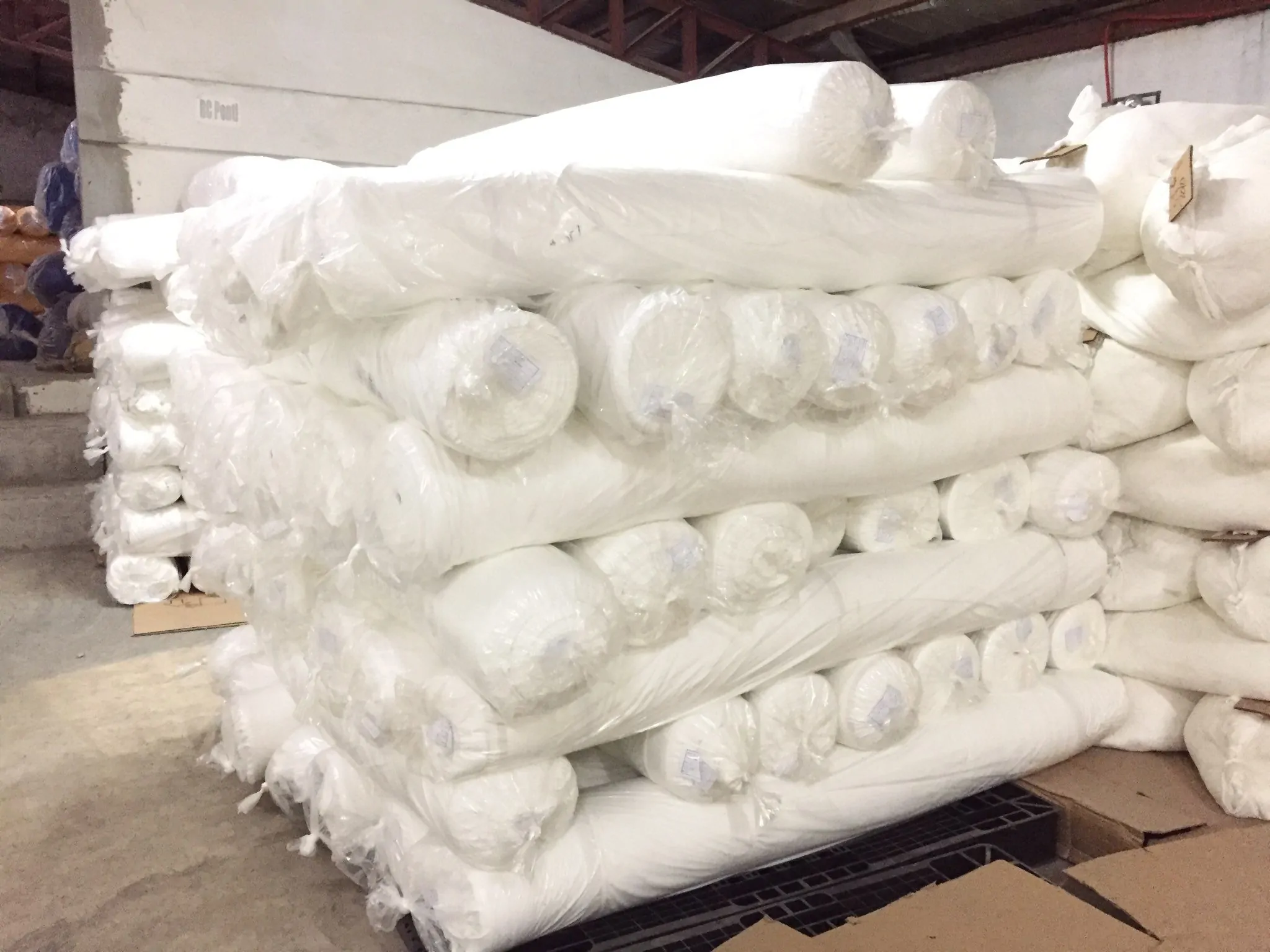
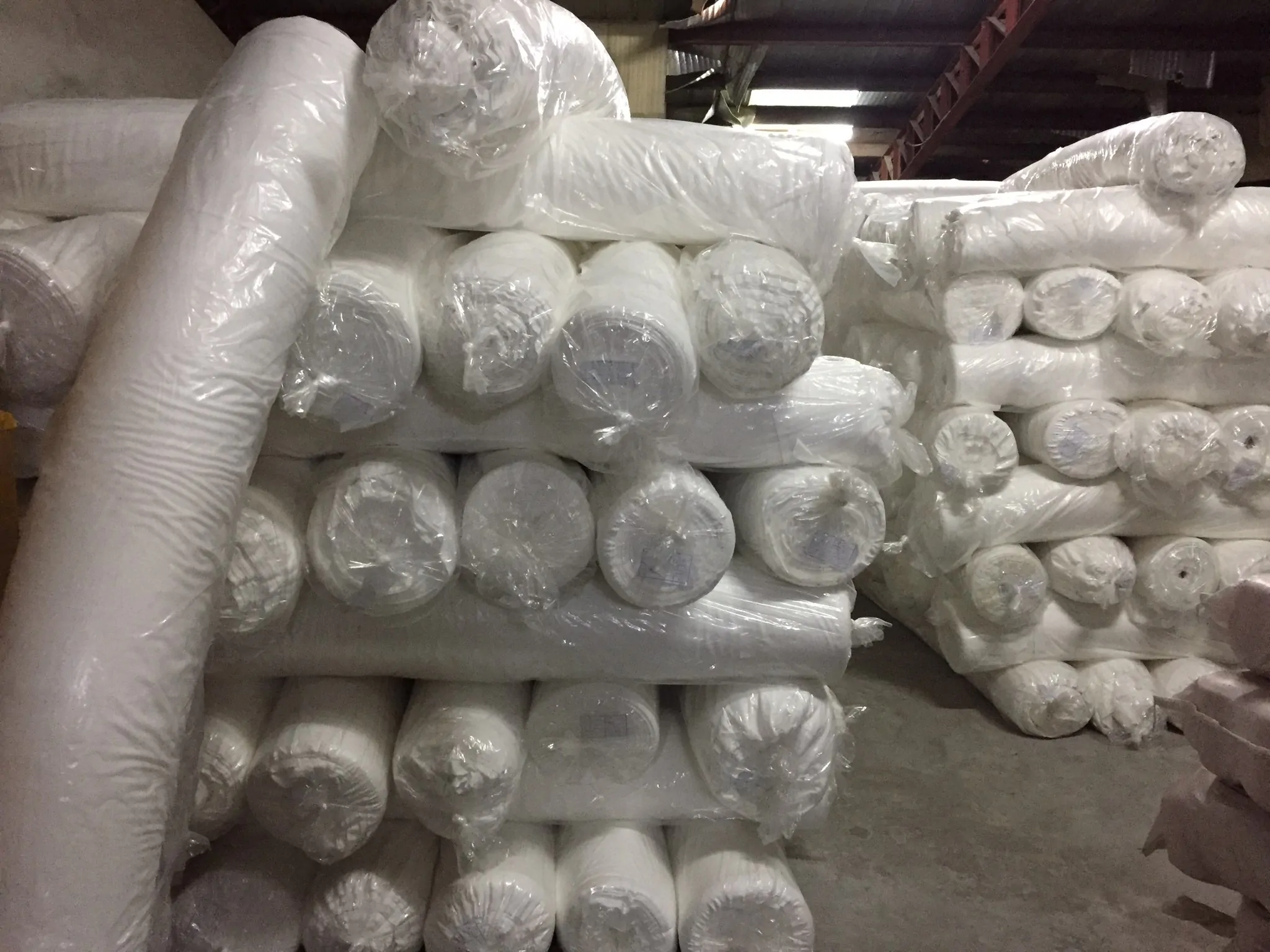
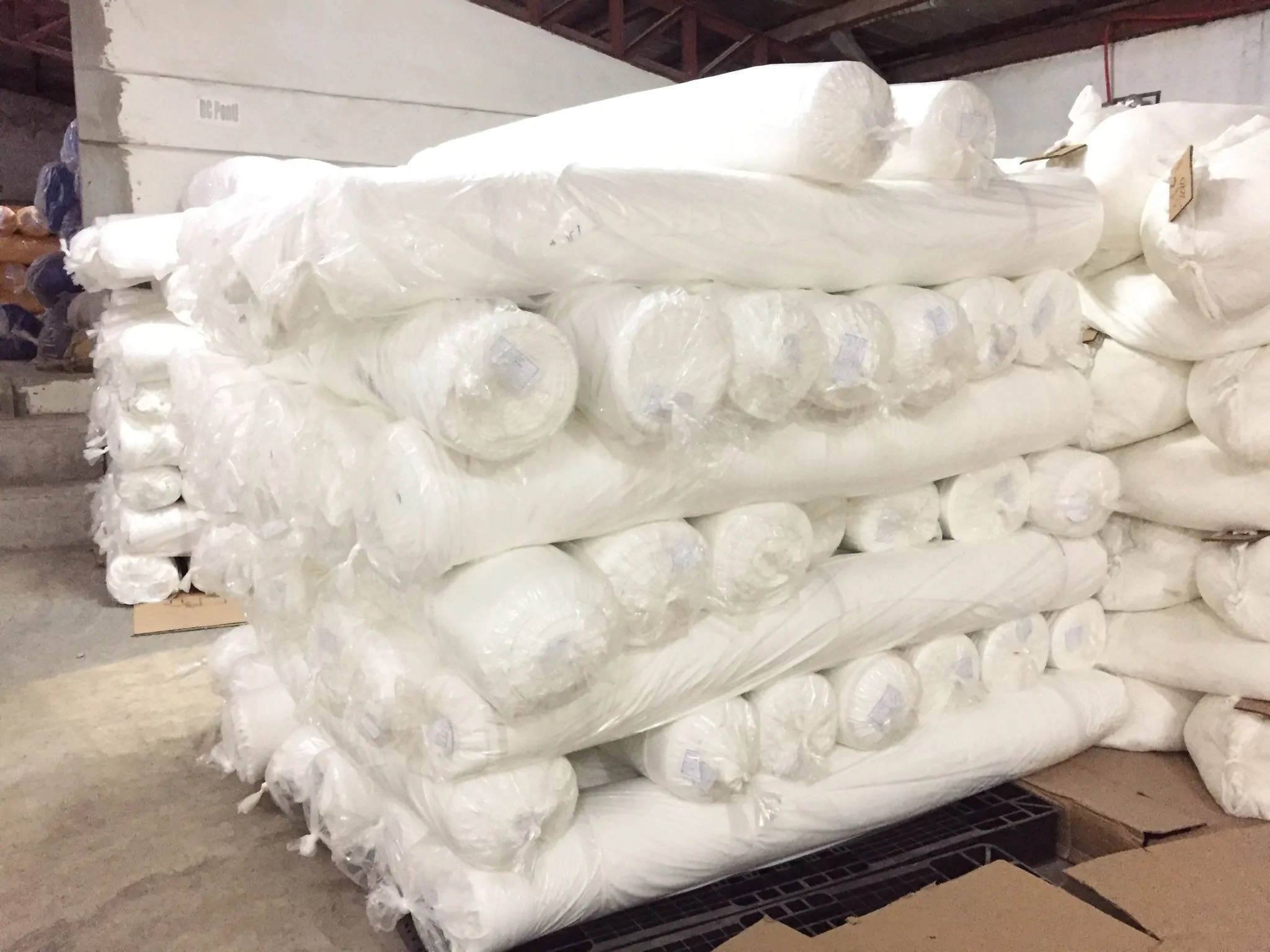
Microdex Fabric Visual Gallery
Close-up inspection of genuine Microdex fabric rolls, knit texture, and high-definition sublimation print results from our workshop.
Frequently Asked Questions About Microdex Fabric
Practical answers to common technical, ordering, and garment fabrication questions.
What is the main difference between Microdex and Polydex fabric?
Microdex is knitted from micro-denier polyester filaments at a lighter 140 to 150 GSM, producing a softer peach-skin touch, higher flexibility, and a True White optical base. Polydex is slightly heavier at 160 to 180 GSM with a firmer body and often carries a bluish-white optical cast. Microdex provides superior color fidelity for intricate graphics and riding apparel, while Polydex is popular for structured basketball shorts and casual polo uniforms.
What is the exact GSM and roll width of Microdex?
Standard Microdex runs at 140 to 150 GSM. Rolls are knitted as a 30 to 32 inch tubular layout that opens up to a 64 inch flat width after slitting, providing a generous width for laying out large jersey fronts, backs, and sleeve panels efficiently.
How many t-shirts or jerseys can I produce from 1 kilo of Microdex?
At approximately 4.5 yards per kilo, garment shops typically cut 4 to 5 standard adult athletic t-shirts or sleeveless jerseys from a single kilogram of fabric, depending on pattern nesting and sleeve lengths.
Why is the True White base of Microdex important for sublimation?
In dye sublimation, there is no white ink. The white color in your design is the fabric itself. When fabrics have an artificial blue-tinted brightener, warm tones like yellow, beige, skin tones, and soft gradients can shift toward muddy green or cold slate. Microdex has a neutral True White tone that reflects true digital color values.
Why do martial arts practitioners choose Microdex shirts?
Combat sports like Filipino Arnis, Eskrima, and Kali involve intense friction from rattan cane strikes, padded vests, and ground grappling. Microdex micro-interlock fabric resists surface pilling and thread pulling far better than standard loose-mesh fabrics while providing quick moisture dispersion during long training sessions.
Does Microdex shrink or curl under heat press temperatures?
No. Microdex is heat-set during textile finishing and retains dimensional stability up to 215°C. When pressed at standard sublimation parameters (195°C to 205°C for 35 to 45 seconds), it maintains its dimensions without puckering or edge curling.
Can Microdex be used for silkscreen printing or DTF transfers?
Yes. In addition to dye sublimation, Microdex accepts Direct-to-Film (DTF) transfers, polyurethane heat transfer vinyl (HTV), and screen printing inks formulated with synthetic binders or low-cure plastisols.
How do I order Microdex fabric by the kilo or by the roll?
You can purchase continuous meter cuts or complete sealed factory rolls (20 to 25 kilos) directly through our Tagum City workshop hub in Mankilam. Message us with your required kilogram count, and we will confirm stock availability, continuous cut lengths, and arrange local pickup or nationwide courier shipping.
Order Microdex Fabric in Tagum City or Ship Nationwide
Tell us your required yardage or kilograms. We confirm current stock, cut continuous lengths from sealed bolts, and arrange counter pickup in Tagum City or trusted door-to-door courier freight across Mindanao, the Visayas, and Luzon.
Workshop & Counter: Naungayan Building, Aala Road, Barangay Mankilam, Tagum City, Davao del Norte. Open Mon to Sat, 8:30 AM to 5:00 PM.