Fabrics used in Athleisure Wear
Athleisure has redefined the modern wardrobe, blurring the lines between gym wear and everyday fashion. The success of an athleisure garment depends entirely on its “hand-feel”, durability, and technical performance. Whether you are building an apparel brand or looking for the best workout gear, understanding the science behind the fibers is essential.
Here is a breakdown of the primary fabrics used in the athleisure industry and why they dominate the market.
Synthetic Powerhouses: Polyester and Nylon
Synthetic fibers are the backbone of the activewear industry because they can be engineered for specific performance goals.
Polyester
Polyester is the most widely used fabric in sportswear. It is prized for being lightweight, durable, and resistant to wrinkles.
- Moisture-Wicking: Polyester fibers are hydrophobic, meaning they don’t absorb water. Instead, they move sweat to the outer surface of the fabric where it can evaporate quickly.
- UV Protection: It naturally provides a level of protection against the sun, making it ideal for outdoor activities.
- Color Retention: Polyester holds onto dyes exceptionally well, allowing for the vibrant prints and neon colors common in gym wear.
Nylon
Nylon (Polyamide) is often considered the “premium” synthetic. It is exceptionally strong and has a softer, silkier feel against the skin compared to polyester.
- Abrasion Resistance: It is highly resistant to wear and tear, making it perfect for high-intensity training or yoga pants that need to withstand friction.
- Recovery: Nylon has excellent “bounce-back” properties, helping garments retain their shape even after repeated stretching.
Stretch Factor: Spandex (Elastane/Lycra)
No athleisure piece is complete without Spandex. It is rarely used on its own; instead, it is blended with polyester or nylon (usually between 5% and 25%) to provide four-way stretch.
- Compression: High spandex content provides the “hugged” feeling in leggings, supporting muscles during movement.
- Range of Motion: It allows the garment to move with the body without restriction, which is vital for yoga, Pilates, and weightlifting.
Natural and Hybrid Blends
While synthetics lead in performance, natural fibers are often integrated for comfort and lifestyle appeal.
- Cotton Blends: Pure cotton is generally avoided for high-sweat activities because it absorbs moisture and becomes heavy. However, cotton-polyester blends are popular for “lifestyle” athleisure (like hoodies and joggers) where softness is prioritized over technical performance.
- Bamboo: Known for its soft touch and natural antibacterial properties, bamboo is a popular choice for eco-conscious brands. It is often blended with spandex for light-impact activities.
- Merino Wool: A high-end natural option often used in outdoor and hiking gear. It is naturally temperature-regulating and odor-resistant.
Technical Knits and Structures
It isn’t just the fiber that matters, but how it is knitted:
- Interlock Knit: A double-knit fabric that is thicker and more “squat-proof.” Most premium leggings use an interlock construction to ensure they aren’t see-through.
- Jersey: A lighter, breathable knit often used for t-shirts and tanks.
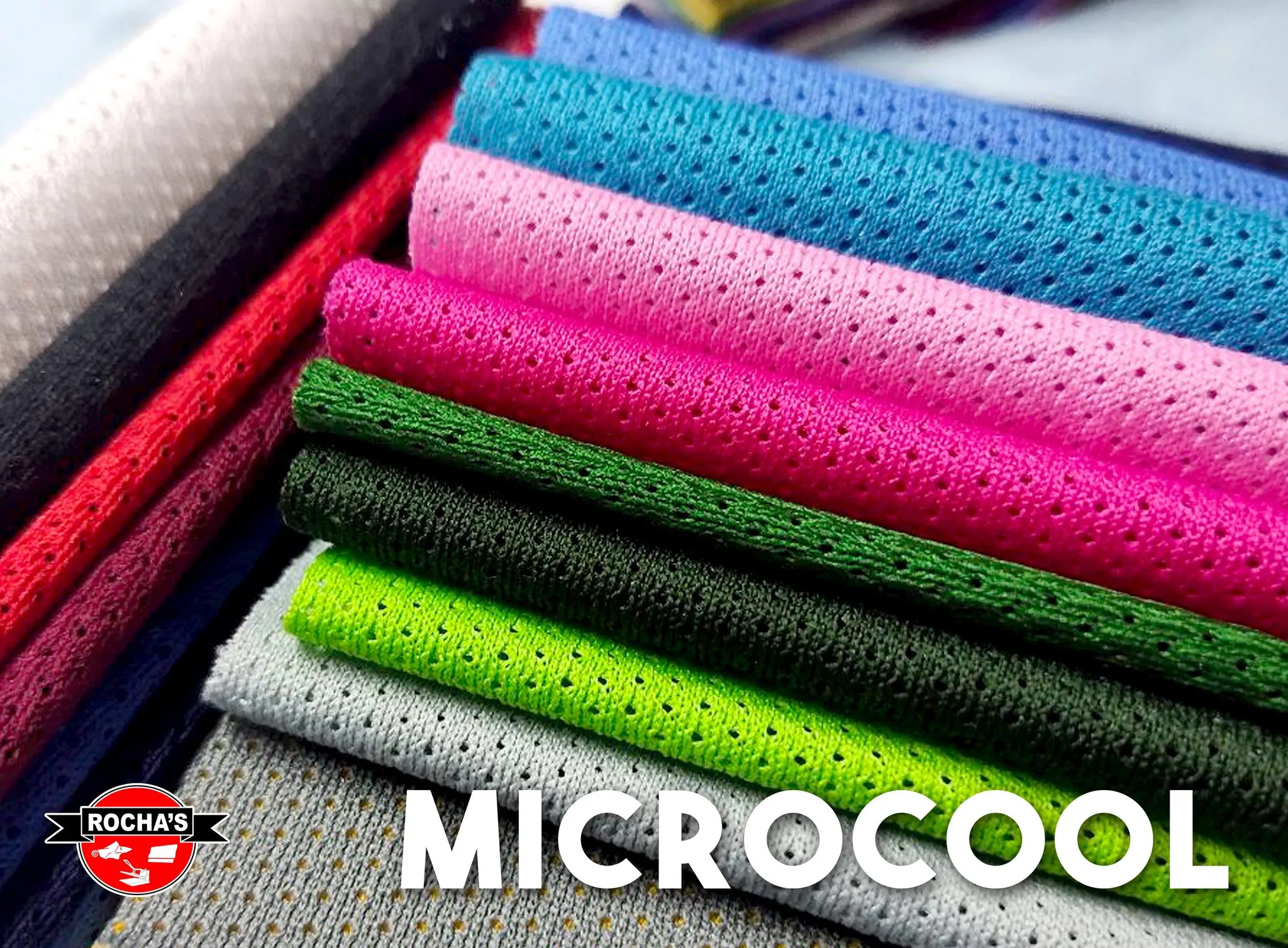
- Mesh: Strategically placed mesh panels are used to increase airflow in high-heat zones like the back and underarms.
Rise of Sustainable Fabrics
Sustainability is no longer a niche; it is a requirement. Many brands are now pivoting to:
- Recycled Polyester (rPET): Made from recycled plastic bottles, it offers the same performance benefits as virgin polyester with a significantly lower environmental footprint.
- Recycled Nylon: Often sourced from old fishing nets and industrial plastic waste (like Econyl), providing a high-performance, eco-friendly alternative for luxury activewear.
Key Features to Look For
When selecting fabrics for athleisure, look for these technical finishes:
- Antimicrobial/Anti-Odor: Treatments that prevent the growth of odor-causing bacteria.
- Brushed Finishes: A process that makes the fabric feel “buttery soft” or “sueded” on the skin.
- Quick-Dry: Specialized coatings that accelerate evaporation.
Shop Collection
Contact Us
- Call or text me at 09460480491
- Message us on Facebook at https://www.facebook.com/rbsublimationsignage/