American Museum of Natural History
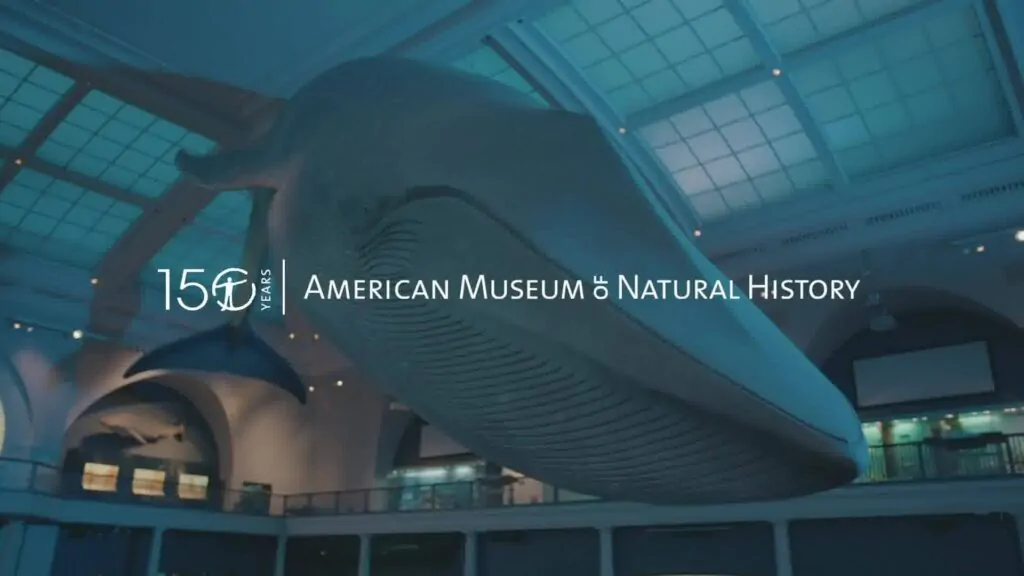
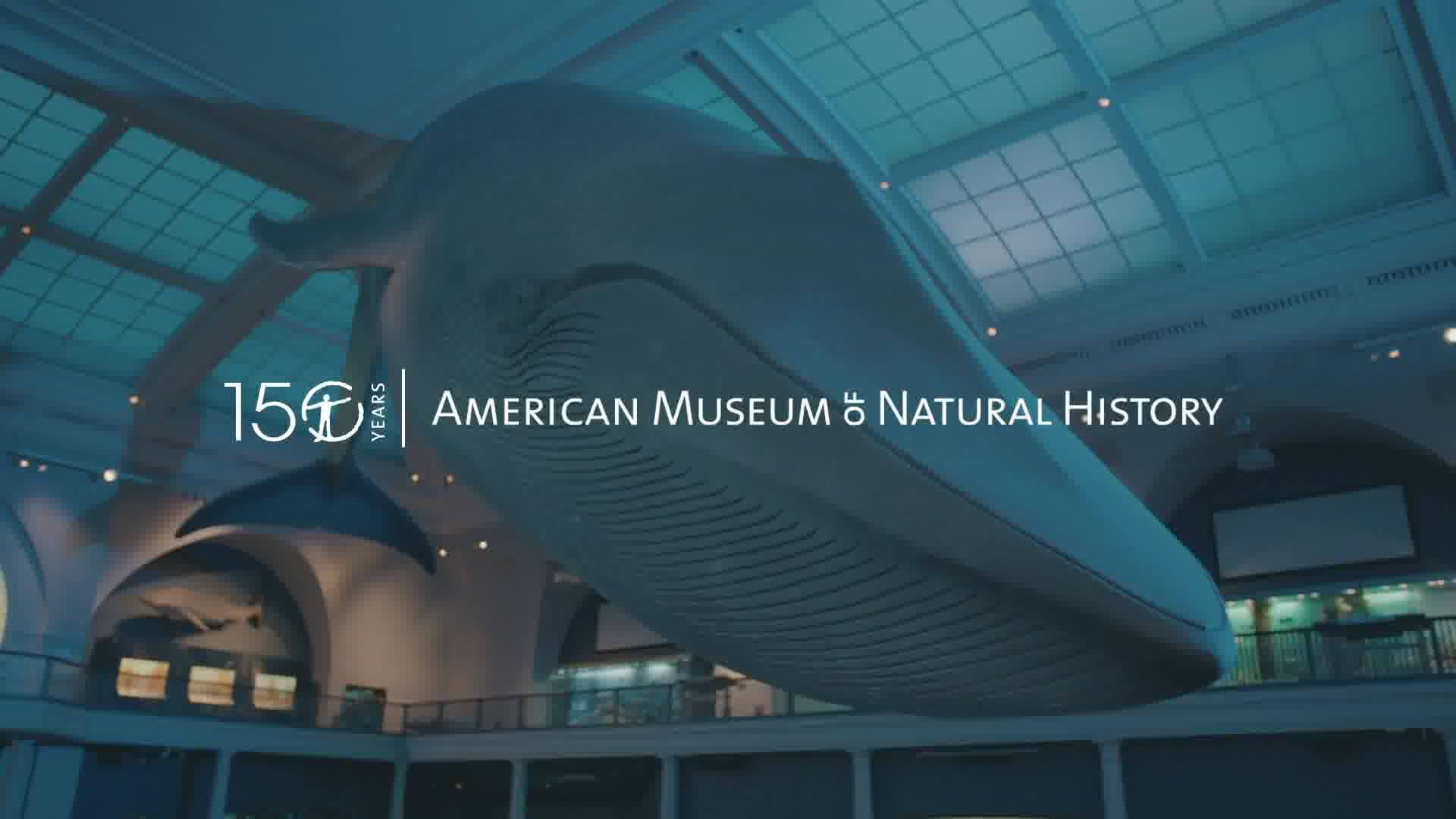
The American Museum of Natural History (AMNH) is a renowned natural history museum located on the Upper West Side of Manhattan in New York City. Situated in Theodore Roosevelt Park, the museum stands across the street from Central Park and is one of the largest and most significant museums of its kind in the world.
Location and Contact Details
- Address: 200 Central Park West, New York, NY 10024, United States
- Phone: +1 212-769-5100
- Hours: Opens daily at 10 AM (check the official website for holiday schedules)
History
- Founded: April 6, 1869
- First Structure: The museum originally opened in Central Park’s Arsenal on May 22, 1871.
- Permanent Location: The museum’s first purpose-built structure in Theodore Roosevelt Park was designed by Calvert Vaux and J. Wrey Mould, opening on December 22, 1877.
- Over the years, numerous wings have been added, including:
- The main entrance pavilion, named after Theodore Roosevelt (1936)
- The Rose Center for Earth and Space (2000)
- The AMNH was added to the National Register of Historic Places (NRHP) on June 24, 1976 with reference number 76001235.
Structure and Collections
- The museum complex includes 21 interconnected buildings housing 45 permanent exhibition halls, a planetarium, and a library.
- The museum’s collection contains approximately 32 million specimens, which include:
- Plants
- Animals
- Fungi
- Fossils
- Minerals
- Rocks
- Meteorites
- Human remains
- Human cultural artifacts
- Additionally, the museum maintains specialized collections for frozen tissue, genomic, and astrophysical data.
Staff and Research
- The AMNH employs a full-time scientific staff of 225.
- The museum sponsors more than 120 special field expeditions each year.
- The AMNH receives an average of 5 million visitors annually.
Featured Exhibits and Highlights
- Dunkleosteus terrelli: A prehistoric fish from the Late Devonian period, notable for its powerful bite force of 11,000 pounds, capable of generating 80,000 pounds per square inch at the fang tip.
- Deinosuchus: A prehistoric crocodilian that reached lengths of over 35 feet (10.7 m) and weighed over 8,000 lbs (3628.7 kg), rivaling the size of a school bus.
- Black-footed cat (Felis nigripes): Known as the smallest wild cat in Africa, this efficient predator has a hunting success rate of 60%, surpassing lions’ peak rate of 30%.
- Secret toadhead agama (Phrynocephalus mystaceus): This desert-dwelling reptile employs brightly colored cheek flaps and rapid sand-burrowing as defense mechanisms.
- Bornean bearded pig (Sus barbatus): Found in Southeast Asia’s rainforests and mangroves, these pigs are known for their mass migrations and distinctive appearance.
- Sally Lightfoot crab (Grapsus grapsus): An agile crustacean found along warm coastal areas that uses stored water in its shell for gill moisture and predator defense.
Cultural Impact
- The American Museum of Natural History gained widespread recognition as the setting for the film Night at the Museum, which further popularized its exhibits and history.
Leadership
- President: Sean M. Decatur
- Director: Lisa Gugenheim
Visitor Information
The AMNH remains a landmark of scientific research and public education, attracting visitors worldwide with its extensive collections and engaging exhibits. For more details about exhibits, programs, and ticketing, visit the official AMNH website.
Image Gallery