Province of Davao De Oro (aka Compostela Valley)
Formerly known as Compostela Valley, Davao de Oro is a province that lives up to its name. Renamed in 2019 via a historic plebiscite (Republic Act No. 11297), the province has transitioned from a hidden gem into a premier destination for eco-tourism and mineral wealth. Nestled in the southeastern portion of Mindanao, it serves as the “Golden Province” of the Davao Region.
A Legacy of Gold and Green
Davao de Oro’s economy is a unique blend of heavy industry and lush agriculture. It is globally recognized for its vast gold deposits, particularly in areas like Mt. Diwata (Diwalwal). Small and large-scale mining operations form the backbone of the local economy, but the land offers more than just minerals.
The province is a powerhouse in the agricultural sector, consistently ranking as a top producer of:
- High-grade Bananas: Exported worldwide.
- Industrial Crops: Coffee, coconut, and rubber.
- The “Summer Capital”: Maragusan, known for its cold climate and thriving highland vegetable farms.
The Soul of the Province: Culture and Tribes
What sets Davao de Oro apart from its neighbors is its vibrant ethnographic tapestry. The province is the ancestral domain of several Indigenous Peoples (IPs), whose traditions remain woven into daily life.
The original inhabitants include the Mansaka, Mandaya, Manobo, Mangguangan, Dibabawon, Aeta, Kamayo, Davaweño, and Kalagan. The Mansaka People: Known as the “people of the mountain clearings,” they are famous for their intricate silver jewelry (paratinas) and vibrant traditional clothing.
Cultural Festivals: The province celebrates its roots through the Kaimunan Festival (a gathering for thanksgiving) and the Bulawan Festival (The Festival of Gold), which showcases the unity of the 11 municipalities.
Natural Wonders: From Hot Springs to Highlands
For travelers seeking “off-the-beaten-path” adventures, Davao de Oro offers a diverse landscape ranging from coastal shores to alpine heights.
- Mainit Hot Springs (Nabunturan): A therapeutic marvel where sulfuric water flows into natural pools, believed by locals to have healing properties.
- Maragusan’s Waterfalls: Home to the towering Tagbibinta Falls and Awao Falls, often shrouded in mist.
- Sea of Clouds: High-altitude ridges in New Bataan and Maragusan offer breathtaking sunrise views above the clouds.
- Rafflesia Magnifica: The province is one of the few places on Earth where you can witness the blooming of the world’s largest flower in the wild.
Geography and Demographics
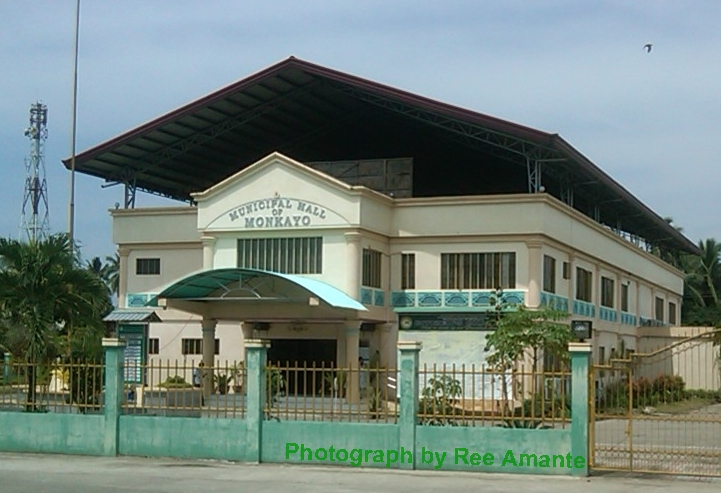
Davao de Oro is strategically divided into 11 municipalities, with Nabunturan serving as the administrative capital and commercial hub. With a growing population of approximately 820,000 people, the province is organized into 237 barangays.
Municipalities
The province has a population of approximately 820,000 people and is composed of 11 municipalities and 237 barangays namely:
Why Visit Davao de Oro?
Whether you are a historian tracing the roots of the Mansaka tribe, an investor looking into the gold industry, or a backpacker chasing hidden waterfalls, Davao de Oro offers an authentic Mindanaoan experience that is both rugged and refined. It is no longer just a valley; it is a province of gold.