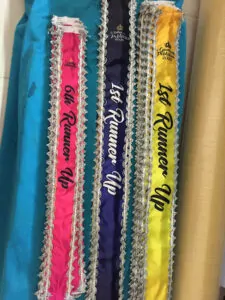
I get messages every week from people asking how to start a sublimation printing business here in the Philippines. It makes sense — the equipment is more affordable than it was five years ago, and there is steady demand from schools, basketball leagues, companies, and events. I started my own shop in Tagum City with just one printer and a second-hand heat press. Now we handle orders from all over Davao del Norte. Here is the real process, not the polished version you see on YouTube.
I want to be straight with you — it is not a get-rich-quick thing. You will mess up prints, lose money on scrap materials, and deal with customers who haggle over PHP 50. But if you go in with realistic expectations and the right setup, it is a solid small business that can grow steadily.
What You Actually Need to Buy
There is a lot of noise about “all-in-one sublimation starter kits.” Most of them bundle junk. Here is what you should actually spend your money on, in order of priority.
- A converted Epson L-series printer with continuous ink system (CISS). The Epson L3110 or L1210 are popular choices for conversion. They are affordable, parts are everywhere in PH, and third-party ink flows well in them.
- A 15×15 inch swing-away heat press with a digital PID controller. Do not cheap out here. A bad press will ruin more prints than a bad printer will.
- Sublimation paper — 110g to 120g weight for fabrics, 100g for hard surfaces. Start with 50-sheet sample packs from local suppliers so you can test different brands.
- Sample blank items — white polyester jerseys, mugs, keychains, and mouse pads. Buy maybe 10 pieces each to test your process before you take customer orders.
- Design software — I use CorelDraw because it is what most local printing shops use. Adobe Photoshop works too. For a free option, try GIMP or Inkscape. You do not need expensive software to start.
If you want exact prices for the printer setup, see our sublimation printer price list in the Philippines page.
Business Registration: The Boring but Necessary Part
Running an unregistered printing business is common, but it will block you from bigger opportunities. Government agencies, schools, and corporations require official receipts and BIR registration to process payments.
- Register your business name with DTI. It costs around PHP 300 to PHP 500 and takes one morning at the DTI office or online.
- Get a barangay clearance and mayor’s permit from your city hall. These cost a few thousand pesos depending on your city and business classification.
- Register with BIR for your certificate of registration (COR) and official receipts. Expect to pay around PHP 1,000 to PHP 2,000 in annual registration fees.
- Open a separate bank account for your business transactions. Mixing personal and business money creates headaches during tax filing.
Pricing Your Products Correctly
This is where most beginners struggle. They underprice because they only count the materials — paper, ink, blank item. You need to account for electricity, equipment depreciation, labor, and profit margin.
- Formula: (blank item cost + paper cost + ink cost) × 2.5 = wholesale price. Multiply by 4 to 5 for retail price.
- A standard sublimated jersey should cost around PHP 200 to 250 in materials and labor. The selling price for retail is PHP 500 to 800. Wholesale to teams is PHP 350 to 450.
- Do not forget to factor in rejects. Budget 10% of your materials for failed prints, especially while you are still learning. I still have bad days where a whole batch goes wrong.
- For a detailed breakdown, check our article on sublimation jersey printing pricing. It covers the math for different order quantities.
Marketing Without Breaking the Bank
You do not need a fancy website or paid ads to get your first customers. Word of mouth and Facebook Marketplace are the most effective channels in PH for small printing businesses.
- Post your best work on Facebook Marketplace with a clear price list. Include multiple photos of finished products, not just mockups.
- Join local FB groups for your city or province — “Davao Buy and Sell,” “Tagum Online Seller,” etc. Engage in conversations, do not just drop links.
- Print samples and leave them with barbershops, sari-sari stores, and basketball courts. These are high-traffic local spots where teams organize.
- Offer a small discount to the first few customers who let you use their photos for your portfolio. Testimonials from real people matter more than any ad copy.
Common Mistakes I Made So You Do Not Have To
- Buying cheap sublimation paper. It curls, bleeds, and fades. Pay for 120gsm paper from a known supplier. Bad paper ruins expensive blanks.
- Not testing on sample blanks before production. Different batches of jerseys have different polyester content. Always test print on one piece first.
- Accepting every customer that walks in. Some people want impossible quality at sari-sari store prices. Learn to say no politely. Your time is not free.
- Ignoring equipment maintenance. A dirty printer and an uncalibrated press will waste more money than you save by skipping cleaning. Set a weekly maintenance schedule.
Starting a sublimation business takes capital, patience, and a willingness to fix mistakes. But it is one of the few printing business models where a single operator can produce professional-grade products without renting expensive industrial space. If you are still deciding between sublimation and other methods, our DTF printing comparison might help you make the call.
CONTACT US
For more information or to visit us, here are our branch addresses:
- Branch 1: Naungayan Building, Aala Road, Barangay Mankilam, Tagum City, Davao Del Norte
- Branch 2: Sobrecary Street (In front of Velox Gas Station), Tagum City, Davao Del Norte
- Email: gracezelguerra22@gmail.com
- Phone: 09460480491
- Business Hours: Monday – Friday: 8:00 AM to 5:00 PM (PH Time)
- Facebook Page: Visit our Facebook Page
Need Custom Shirts, School Uniforms, or Workwear?
We manufacture PE uniforms, company polo shirts, sublimation jerseys, and event tees with official BIR invoices. Direct bus cargo to Cagayan De Oro, General Santos, and Davao within 24 hours, plus express nationwide courier delivery.