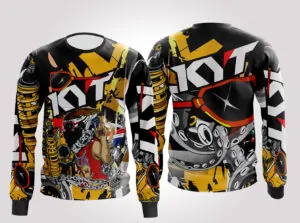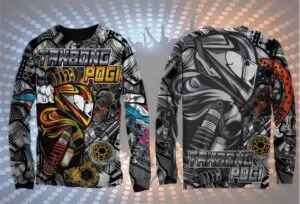
If you run a printing shop in the Philippines, you have probably had customers ask for something printed on a dark cotton shirt and wondered if you should invest in DTF equipment instead of relying on sublimation alone. I have been through this exact decision. For years I only did sublimation, but as demand for cotton shirts and dark-colored apparel grew, I had to seriously consider adding DTF to the workshop.
Direct to Film (DTF) and sublimation serve different purposes, and choosing between them depends on what your customers actually order. Here is my honest comparison based on running both processes side by side.
How Each Process Works
The technology difference matters because it determines what each method can and cannot do.
- Sublimation: You print a mirrored design onto transfer paper using sublimation ink, then heat press it onto polyester fabric. The ink turns into gas and bonds with the polymer fibers. It becomes part of the fabric, not just a layer on top. This gives a soft, breathable print that will not crack or peel.
- DTF (Direct to Film): You print the design onto a special PET film using CMYK plus white ink. Then you apply hot-melt adhesive powder (either sprinkled manually or through a shaker unit), cure it, and finally heat press the film onto the garment. The design sits on top of the fabric surface, bonded by the adhesive layer.
- The key difference: sublimation requires polyester or polymer-coated surfaces. DTF works on cotton, polyester, blends, leather, nylon — almost anything you can put under a heat press.
Print Quality and Feel
- Sublimation produces a fully embedded print. The dye is inside the fiber. There is no texture change — the printed area feels identical to the unprinted fabric. This is why athletes prefer sublimated jerseys. The print does not trap heat or restrict airflow.
- DTF sits on the surface. The transfer has a noticeable texture — slightly raised, like a thin rubberized layer. On soft cotton shirts, it is more noticeable than on polyester blends. However, DTF’s adhesive bond is very strong. A properly applied DTF transfer can outlast the shirt itself.
- For photo-realistic designs, sublimation gives crisper results because there is no white underbase layer to soften the edges. DTF needs a white layer, which adds a tiny bit of thickness that can soften sharp details.
- For vibrant colors on dark fabric, DTF is the clear winner. The white underbase makes colors pop even on black shirts. Sublimation simply will not work on dark fabric.
Equipment Cost Comparison
- A converted Epson sublimation setup — printer, CIS ink, heat press — costs roughly PHP 25,000 to 40,000 to start. You can begin sublimation with a sub-PHP 15,000 printer if you already have a heat press.
- A DTF setup requires more: a printer modified for DTF ink (typically an Epson L805 or XP-15000), white ink circulation system to prevent settling, a powder shaker unit, and a curing oven or tunnel. Total investment: PHP 60,000 to 120,000 depending on automation level.
- White ink maintenance is a hidden cost of DTF. The white pigment settles if you do not print for 24 hours. You need to run circulation cycles and may waste 10 to 20ml of ink per day just keeping the system alive.
- Sublimation ink costs less by volume and does not settle. An unopened bottle of sublimation ink lasts 12+ months on the shelf.
Which One Is Best for Your Shop
I use both now, but here is how I decide which customer orders to route to which system.
- Sublimation is best for: Sports jerseys, polyester shirts, leggings, mugs, plates, keychains, phone cases, mouse pads, and any item that is white or light-colored and polymer-coated. If at least 60% of your orders are in this category, sublimation is your primary tool.
- DTF is best for: Cotton T-shirts (especially dark ones), denim jackets, tote bags, corporate giveaways on assorted fabrics, garment upcycling, and small batch orders on non-polyester materials.
- If you mostly sell jerseys to local basketball leagues, stick with sublimation and perfect your process before diversifying. I waited three years before adding DTF. Check out our sublimation jersey printing pricing page to see the margins that make sublimation profitable even without DTF.
- If your customers frequently ask for dark cotton shirts with full-color designs, DTF is worth the investment. Just budget for the learning curve — DTF has more variables and troubleshooting than sublimation.
Day-to-Day Operations
- Sublimation workflow is simpler. Print on paper, tape to garment, press, peel. No powder, no shaking, no separate curing step. One person can run a sublimation line solo.
- DTF requires more space. You need the printer area, a powder/shaker station (preferably ventilated), and a curing area. The powder gets everywhere if you are not careful.
- Sublimation produces no additional waste. The transfer paper is the only consumable (aside from ink and blanks). DTF generates used PET film with adhesive residue, which is harder to recycle.
- DTF transfers can be stored and applied later. You can print DTF designs, powder them, store them in a cool dry place, and press them weeks later. Sublimation transfers start losing color density after 24 to 48 hours if not pressed.
Final Verdict after Two Years of Both
If I had to pick one system to start a printing business from zero today, I would still pick sublimation. The lower entry cost, simpler workflow, and stronger local demand for jerseys make it the safer bet. But DTF is growing fast, especially with the rise of custom cotton shirt orders through Lazada and Shopee sellers.
My long-term advice: start with a good heat press and sublimation printer. Build a loyal customer base. Save part of your profits toward a DTF setup. Add it when your sublimation backlog is full and customers are asking for dark or non-polyester options. That way you are expanding, not replacing.
CONTACT US
For more information or to visit us, here are our branch addresses:
- Branch 1: Naungayan Building, Aala Road, Barangay Mankilam, Tagum City, Davao Del Norte
- Branch 2: Sobrecary Street (In front of Velox Gas Station), Tagum City, Davao Del Norte
- Email: gracezelguerra22@gmail.com
- Phone: 09460480491
- Business Hours: Monday – Friday: 8:00 AM to 5:00 PM (PH Time)
- Facebook Page: Visit our Facebook Page
Need Custom Shirts, School Uniforms, or Workwear?
We manufacture PE uniforms, company polo shirts, sublimation jerseys, and event tees with official BIR invoices. Direct bus cargo to Cagayan De Oro, General Santos, and Davao within 24 hours, plus express nationwide courier delivery.