
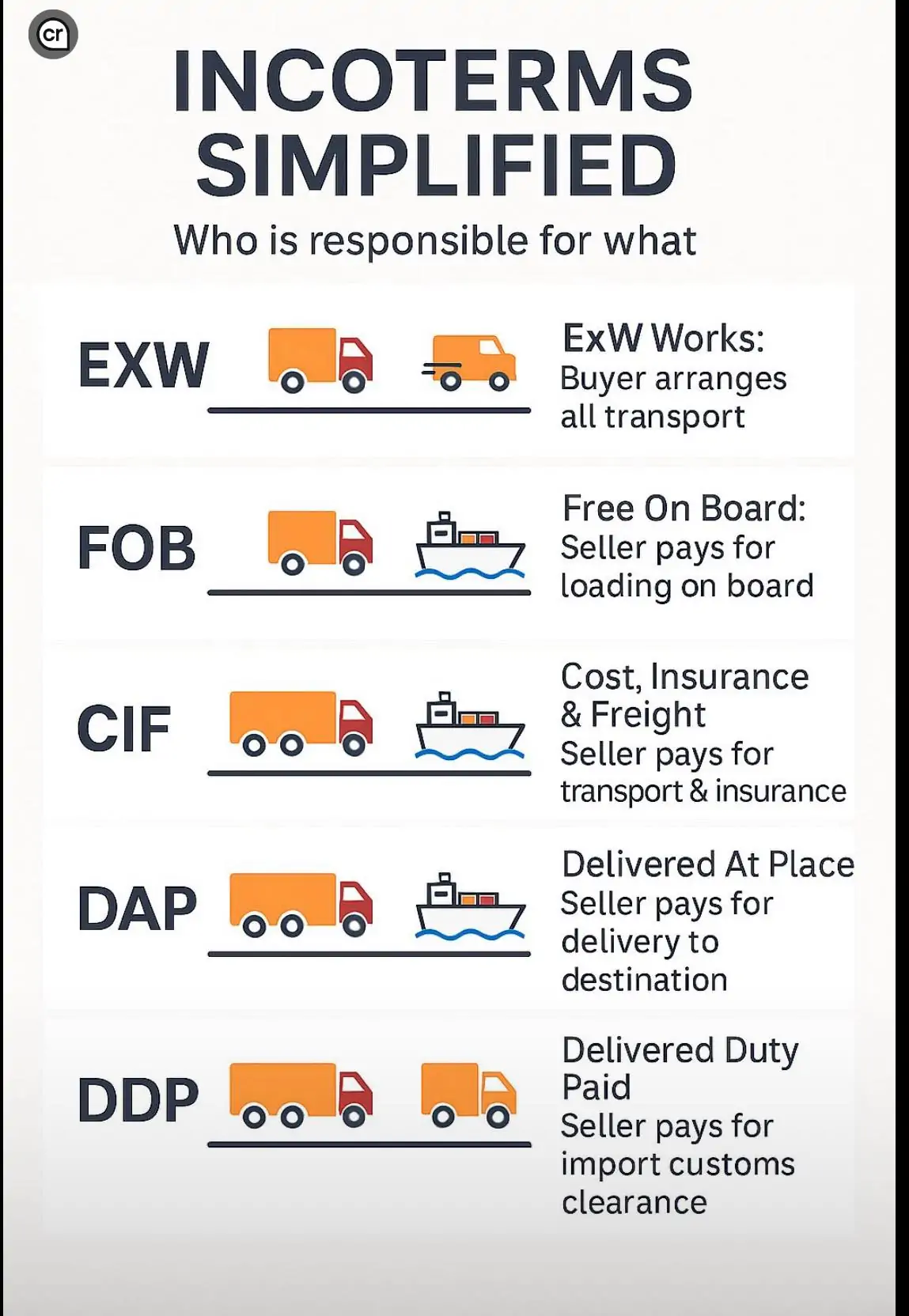
In the world of international trade, understanding Incoterms (International Commercial Terms) is essential for ensuring smooth transactions and clear communication between buyers and sellers. One of the most comprehensive and often misunderstood terms is DDP, or Delivered Duty Paid.
If you are involved in importing or exporting goods, here is a complete guide to what DDP means, the responsibilities it entails, and how it compares to other common shipping terms.
What is DDP (Delivered Duty Paid)?
Delivered Duty Paid (DDP) is an Incoterm where the seller assumes maximum responsibility for the shipment. Under a DDP agreement, the seller is responsible for all costs and risks associated with transporting the goods from their origin to a specifically named destination in the buyer’s country.
This includes everything from packaging and freight to customs clearance and the payment of all import duties and taxes.
Seller’s Obligations: Heavy Lifting
Under DDP, the seller handles almost every step of the logistics chain:
- Export Formalities: Obtaining all necessary licenses and paying export duties/taxes in the country of origin.
- Main Carriage: Arranging and paying for the transportation of goods (via sea, air, or land) to the destination country.
- Insurance: While not strictly mandatory under the ICC rules unless specified, the seller usually carries the risk and thus manages the insurance.
- Import Clearance: Handling the customs entry in the destination country.
- Duties and Taxes: Paying the actual import duties and any Value Added Tax (VAT) or Goods and Services Tax (GST) required by the destination country’s customs.
- Delivery to Destination: Transporting the goods to the final agreed-upon location (e.g., the buyer’s warehouse).
Buyer’s Obligations: Minimal Responsibility
For the buyer, DDP is the “easiest” shipping term because their responsibilities are very limited:
- Payment for Goods: Paying the agreed-upon price for the items.
- Unloading: Once the goods arrive at the named destination, the buyer is typically responsible for unloading the cargo from the arriving vehicle (unless otherwise specified in the contract).
DDP vs. DAP (Delivered at Place)
The most common point of confusion is the difference between DDP and DAP.
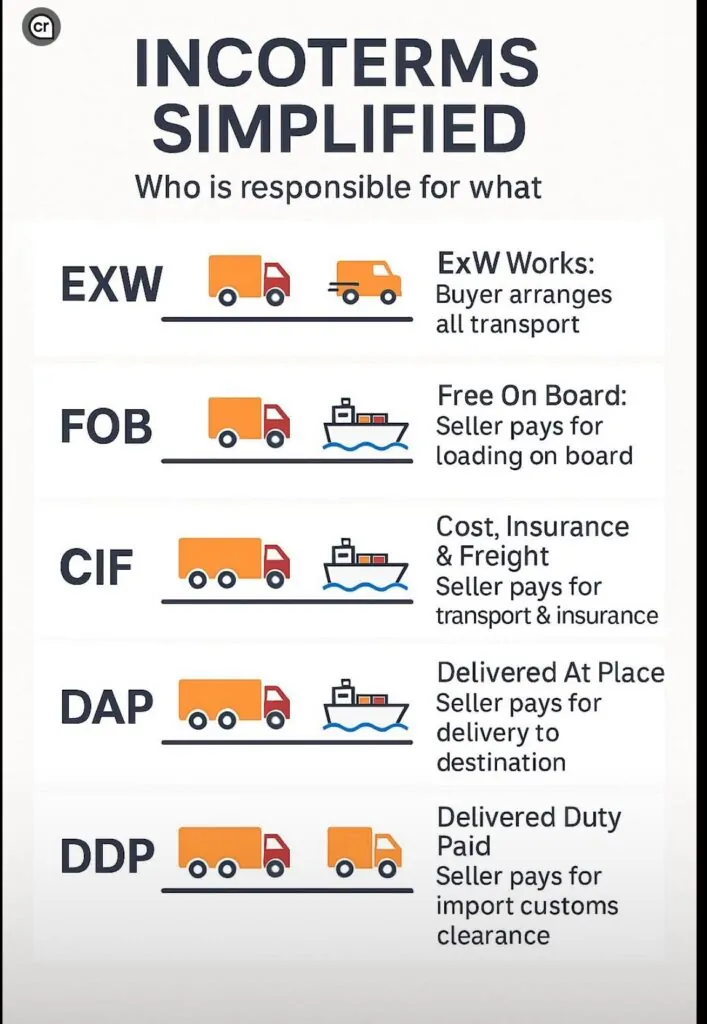
- In DAP (Delivered at Place): The seller delivers the goods to the destination, but the buyer is responsible for import clearance and paying any duties or taxes.
- In DDP: The seller covers those import duties and taxes.
If a seller is unable to navigate the customs regulations of the buyer’s country or is not registered to pay VAT/GST there, they should typically opt for DAP instead of DDP.
Pros and Cons of DDP
Advantages
- Convenience for Buyers: The buyer knows the total cost upfront and doesn’t have to deal with complex customs paperwork.
- Seller Control: The seller maintains control over the entire supply chain, which can help ensure the goods arrive on time.
Disadvantages/Risks
- High Risk for Sellers: The seller bears all risks until the goods reach the final destination. Any delays at customs or unexpected tax changes are the seller’s financial burden.
- Regulatory Hurdles: Some countries require the importer of record to be a locally registered business entity. If the seller doesn’t have a presence in the destination country, clearing customs under DDP can be extremely difficult.
- Cost: Sellers often add a markup to DDP shipments to cover the administrative burden and the risk of fluctuating duties.
When Should You Use DDP?
DDP is most commonly used in e-commerce or for small shipments where the buyer wants a “door-to-door” service without the hassle of customs. It is also useful in established business relationships where the seller has a local branch or a reliable freight forwarder in the destination country who can act on their behalf.
Image Gallery
Contact Us
- Call or text me at 09460480491
- Message us on Facebook at https://www.facebook.com/rbsublimationsignage/
Need Custom Shirts, School Uniforms, or Workwear?
We manufacture PE uniforms, company polo shirts, sublimation jerseys, and event tees with official BIR invoices. Direct bus cargo to Cagayan De Oro, General Santos, and Davao within 24 hours, plus express nationwide courier delivery.