When you’re choosing fabrics for clothing, understanding transparency isn’t just about fashion—it’s about making the right choice for comfort, functionality, and confidence. Whether you’re designing apparel, sourcing materials for your business, or simply shopping for the perfect garment, knowing how fabric transparency works can save you from costly mistakes.
You might wonder why some fabrics are see-through while others aren’t. It’s not magic—it’s science. And once you understand the basics, you’ll make better decisions every time.
Why Understanding Fabric Transparency Matters
You’ve probably experienced it before: you buy a shirt online, it looks great in the photos, but when you try it on, it’s embarrassingly see-through. Or perhaps you’ve ordered fabric for a project only to realize it’s too transparent for your needs. These situations are frustrating, but they’re also completely avoidable.
Better Decision Making
- Choose the right fabric for the right purpose
- Avoid embarrassing transparency issues
- Save money on returns and re-orders
- Match fabric to your specific needs
Professional Quality
- Ensure your garments meet quality standards
- Build trust with your customers
- Create products that perform as expected
- Maintain your brand reputation
Comfort and Confidence
- Feel confident in what you’re wearing
- Choose fabrics that work for the occasion
- Layer appropriately for different settings
- Understand when transparency is a feature, not a flaw
Transparency Levels Explained
Not all see-through fabrics are created equal. Understanding the different levels of transparency helps you choose the right fabric for your specific needs.
Sheer Fabrics
- Completely transparent when held up to light
- Often used for layering and fashion statements
- Examples: Chiffon, organza, tulle, some mesh
- Best for: Evening wear, overlays, decorative elements
- Consider: Always plan for layering underneath
Semi-Sheer Fabrics
- Partially transparent, some visibility through the fabric
- Can show skin tone or undergarments
- Examples: Lightweight cotton voile, some rayon blends, thin linen
- Best for: Casual wear, warm weather garments, fashion pieces
- Consider: Test with different lighting conditions
Semi-Opaque Fabrics
- Minimal transparency, mostly solid appearance
- May show outlines or strong contrasts underneath
- Examples: Medium-weight cotton, standard jersey knits
- Best for: Everyday wear, casual garments, most applications
- Consider: Generally safe for most uses
Opaque Fabrics
- No transparency, completely solid appearance
- Cannot see through even when held to light
- Examples: Heavyweight cotton, denim, polyester blends
- Best for: Professional wear, uniforms, situations requiring modesty
- Consider: Most versatile and reliable choice
Fabric Weight Guide: How GSM Affects Transparency
You’ve probably seen “GSM” on fabric specifications, but what does it actually mean? GSM stands for Grams per Square Meter, and it’s one of the most important factors in determining fabric transparency.
Lightweight Fabrics (120-150 GSM)
- Thin and breathable
- Perfect for hot Philippine weather
- Often semi-sheer or sheer
- Can show print-through
- Best for: Summer wear, lightweight garments, fashion pieces
- Tip: Always check transparency before bulk ordering
Medium Weight Fabrics (160-180 GSM)
- Balanced comfort and durability
- Most popular choice for everyday wear
- Usually semi-opaque to opaque
- Good for all printing methods
- Best for: T-shirts, casual wear, most applications
- Tip: The sweet spot for most uses
Heavyweight Fabrics (190+ GSM)
- Durable and substantial
- Always opaque
- Best for premium printing
- Can be too warm for tropical weather
- Higher cost but worth it for quality
- Best for: Premium garments, uniforms, professional wear
- Tip: Invest in heavyweight for important pieces
Common Fabric Types and Their Transparency Characteristics
Different fabrics have different natural transparency levels. Here’s what you need to know about the most common fabric types.
Cotton
- 100% Cotton: Generally opaque in medium to heavy weights, lightweight cotton can be semi-sheer
- Cotton Voile: Naturally sheer, designed for transparency
- Cotton Poplin: Usually opaque, crisp and smooth
- Best for: Versatile applications, reliable opacity
- Tip: Cotton’s natural opacity makes it a safe choice
Polyester
- Polyester Blends: Usually opaque, durable and color-fast
- Lightweight Polyester: Can be semi-sheer, check specifications
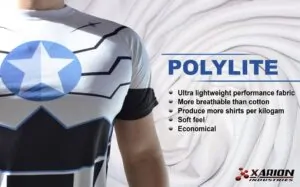
- Performance Polyester: Often semi-opaque, designed for activewear
- Best for: Durability and consistent opacity
- Tip: Great for uniforms and activewear
Rayon/Viscose
- Lightweight Rayon: Often semi-sheer, drapes beautifully
- Medium Rayon: Semi-opaque, elegant drape
- Best for: Fashion pieces, elegant garments
- Tip: Always check the weight before purchasing
Synthetic Blends
- Cotton-Polyester: Usually opaque, best of both worlds
- Tri-Blend: Can be semi-sheer depending on weight
- Performance Blends: Varies, check specifications
- Best for: Versatility and consistency
- Tip: Blends often offer reliable opacity
Specialty Fabrics
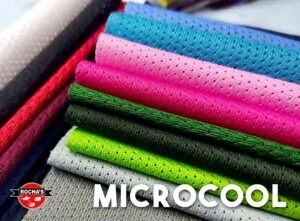
- Mesh: Varies from sheer to opaque depending on weave
- Chiffon: Designed to be sheer, elegant and light
- Organza: Very sheer, used for overlays
- Lace: Varies by design, check backing
- Best for: Specific fashion and design applications
- Tip: Specialty fabrics require special consideration
When to Choose See-Through vs Opaque Fabrics
Choosing the right transparency level depends on your specific needs. Here’s a practical guide to help you decide.
Choose See-Through When:
- You’re creating layered looks
- Fashion and style are the priority
- You want a light, airy feel
- Evening wear or special occasions
- Design elements require transparency
- You’re creating overlays or decorative pieces
Choose Opaque When:
- Professional appearance matters
- You need reliable coverage
- Uniforms or work wear
- Everyday casual wear
- You want versatility
- Modesty is a consideration
Consider the Setting:
- Office environments: Usually opaque
- Casual social settings: Semi-opaque to opaque
- Evening events: Can be sheer or semi-sheer
- Athletic activities: Semi-opaque to opaque
- Beach or pool: Can be sheer or semi-sheer
Think About Layering:
- If you plan to layer: Sheer or semi-sheer works
- If wearing alone: Choose opaque or semi-opaque
- Consider what you’ll wear underneath
- Test the combination before finalizing
Printing Considerations for See-Through Fabrics
When you’re printing on see-through fabrics, there are special considerations to keep in mind. The printing method and design can significantly affect the final appearance.
Screen Printing on Sheer Fabrics
- Can show print-through on very light fabrics
- Dark colors may appear muted
- Consider using a base layer or backing
- Best for: Medium to heavyweight sheer fabrics
- Tip: Test on sample fabric first
Sublimation on See-Through Fabrics
- Works well on polyester sheer fabrics
- Colors can appear lighter than expected
- Consider the fabric’s natural color
- Best for: Polyester blends and performance fabrics
- Tip: Sublimation works best on white or light fabrics
Heat Transfer on Sheer Fabrics
- Can be visible through light fabrics
- Consider using light-colored transfers
- May show edges on very sheer fabrics
- Best for: Small designs and logos
- Tip: Use for minimal designs on sheer fabrics
Design Tips for See-Through Fabrics
- Keep designs simple and clean
- Avoid heavy, solid blocks of color
- Consider how the design will look from both sides
- Test different ink colors on sample fabric
- Account for the fabric’s natural color
Common Mistakes to Avoid
Here’s what to watch out for when working with see-through fabrics. These mistakes can cost you time, money, and frustration.
Not Testing Before Bulk Ordering
- Always order samples first
- Test in different lighting conditions
- Check transparency against skin tone
- Verify with the intended undergarments
- Don’t rely on photos alone
Ignoring Fabric Weight
- GSM matters more than you think
- Lightweight doesn’t always mean better
- Consider the climate and use case
- Match weight to your needs
- Remember: heavier usually means more opaque
Forgetting About Layering
- Plan your layers in advance
- Consider what will be worn underneath
- Test the complete outfit
- Think about different lighting situations
- Have backup layering options
Choosing the Wrong Fabric for the Purpose
- Athletic wear needs different properties than office wear
- Consider the activity level
- Think about washing and care
- Match fabric to the use case
- Don’t sacrifice function for fashion
Not Accounting for Stretch
- Stretchy fabrics can become more transparent when stretched
- Consider how the garment will fit
- Test transparency on a stretched sample
- Account for different body types
- Remember: movement affects transparency
Fabric Recommendations for Different Applications
Here are our top fabric recommendations based on common use cases in the Philippine market.
Everyday T-Shirts
- 180-200 GSM Cotton-Polyester Blend
- Opaque, durable, and comfortable
- Great for printing
- Best all-around choice
Corporate Uniforms
- 200+ GSM Cotton-Polyester or CVC
- Always opaque and professional
- Excellent for embroidery
- Maintains appearance after washing
Athletic Wear
- Performance Polyester Blend (160-180 GSM)
- Moisture-wicking and semi-opaque
- Designed for movement
- Consider lining for extra coverage
Fashion Pieces
- Rayon or lightweight cotton blends
- Semi-sheer to semi-opaque depending on design
- Beautiful drape and movement
- Plan for layering
Special Occasion Wear
- Chiffon, organza, or specialty fabrics
- Sheer by design for elegance
- Always plan for layering
- Consider the venue and setting
Warm Weather Wear
- Lightweight cotton or linen blends (140-160 GSM)
- Breathable and comfortable
- May be semi-sheer
- Perfect for tropical climate
Getting Your Fabric Transparency Right
Understanding fabric transparency doesn’t have to be complicated. With the right knowledge, you can make confident decisions every time.
Quick Checklist Before You Buy:
- Check the GSM/weight specification
- Request a sample if possible
- Test transparency in different lighting
- Consider the intended use
- Plan for layering if needed
- Think about care and washing
When in Doubt:
- Choose a slightly heavier fabric
- Opt for opaque over sheer
- Always test before bulk ordering
- Ask for expert advice
- Consider your specific needs
Remember:
- Transparency isn’t always bad—sometimes it’s a feature
- The right fabric depends on your specific needs
- Testing saves money and frustration
- Quality matters more than price alone
- Expert advice is worth seeking
Contact Us for Fabric Guidance
Need help choosing the right fabric for your project? We’re here to help you make the best decision for your specific needs.
Whether you’re ordering custom uniforms, sourcing fabric for your clothing line, or need advice on the best materials for your next project, our team has the expertise to guide you.
Get in touch:
- Mobile: +63 946 048 0491
- Facebook: https://www.facebook.com/rbsublimationsignage
- Email: sales@phshirt.com
We serve clients in Tagum City, Cagayan de Oro, and throughout the Philippines. Let us help you find the perfect fabric for your needs.
Related Resources
- Fabrics used in Athleisure Wear
- Your T-Shirt Printing Guide for Businesses and Organizations
- Ultimate Guide to T-Shirt Wholesale – Philippines
- Polo Shirt Embroidery – Philippines
Need Custom Shirts, School Uniforms, or Workwear?
We manufacture PE uniforms, company polo shirts, sublimation jerseys, and event tees with official BIR invoices. Direct bus cargo to Cagayan De Oro, General Santos, and Davao within 24 hours, plus express nationwide courier delivery.