
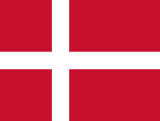
Custom Denmark National Team Jerseys
Federation-grade manufacturing for the Denmark national team. Sublimation, embroidery, DTF, silkscreen, and tackle-twill production with worldwide delivery from the Philippines.
What we build for Denmark
Every national team kit we produce for Denmark follows the same spec-grade manufacturing pipeline. You bring the federation crest and sponsor logos; we deliver the kit.
Federation Crest
Embroidered, woven, sublimated, or PVC badge to your exact your exact Denmark federation spec.
Tournament Patches
World Cup, continental championship, and federation patches applied per official spec.
Names & Numbers
Sublimated or twill numerals with optional custom name set and captain “C” marking.
National Flag Detail
Subtle flag accent on collar, cuffs, or back yoke in conformance with Denmark design guidance.
Sponsor Placement
Front-of-shirt, sleeve, and shorts sponsor panels cut and stitched to your supplied artwork.
Home & Away Set
Standard home + away + goalkeeper trio, each with its own colorway and crest.
Order Process for Denmark Kits
1. Spec
Send the federation crest, sponsor logos, and your color palette for the Denmark kit.
2. Mockup
Free digital mockup showing front, back, and crest placement. Revise until it matches your brief.
3. Sample
Optional physical sample before bulk production - typical lead time 10–14 days, charged and refundable against order.
4. Production
3–6 weeks for 50–5,000 piece orders. Inline QC checks, photo updates at key stages.
5. Ship to Denmark
Worldwide delivery with full customs documentation for your destination country.
Buyer FAQ for Denmark National Team
Other UEFA National Teams
Browse other UEFA (Europe) national-team jersey manufacturing pages.


Ready to kit out Denmark?
Tell us which country, how many pieces, and your target delivery. We reply within one business day with a free mockup and tiered pricing.