
Capones Island: Zambales Travel Guide and Historic Lighthouse
Capones Island, historically known as Isla de Gran Capon, rises from the West Philippine Sea off the coast of San Antonio, Zambales. Famous for its rugged rocky bluffs, coralline white sand beaches, and the Spanish era Faro de Punta Capones built in 1890, this uninhabited island is the premier stop in the Pundaquit island hopping circuit alongside Camara Island, Anawangin Cove, and Nagsasa Cove. Here is the verified guide to visiting the island, boat rates, lighthouse hiking trails, and travel logistics from Manila.
The Uninhabited Sanctuary of San Antonio
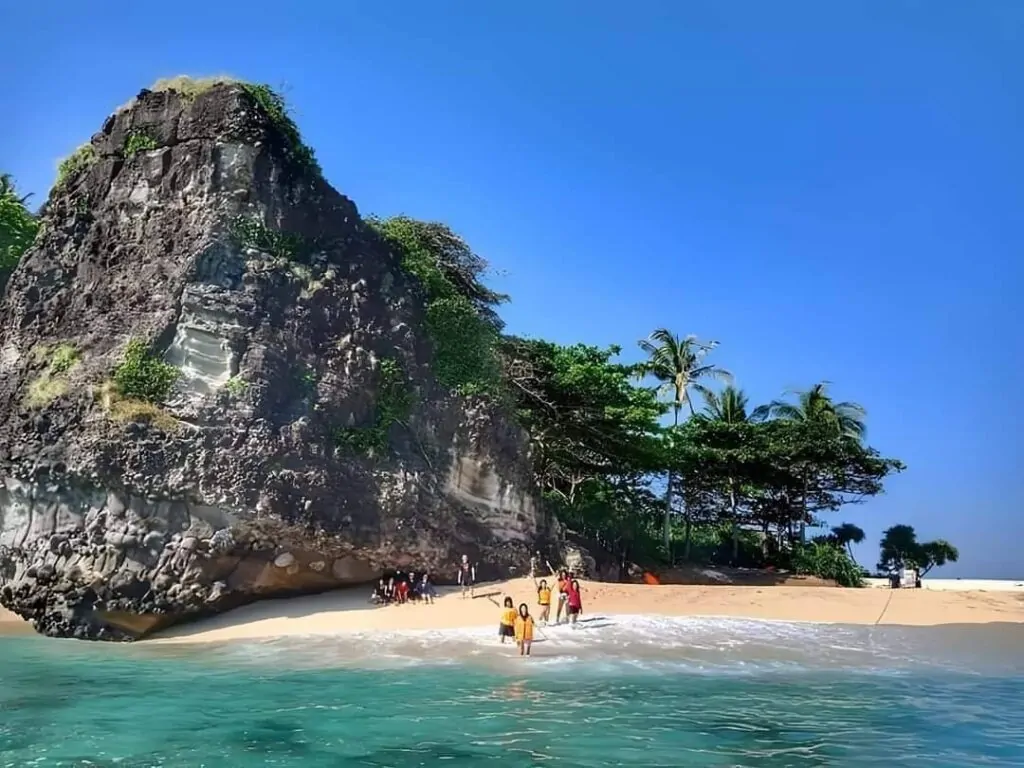
Capones Island is a rugged bone shaped landmass measuring roughly 1.9 kilometers long and 0.4 kilometers wide, situated approximately 3.8 kilometers off Barangay Pundaquit in San Antonio, Zambales.
Known in Spanish colonial records as Isla de Gran Capon (or Capon Grande), the island features sheer cliff faces on its exposed western flank and sweeping coralline white sand beaches on its sheltered eastern side. Unlike coastal resort beaches, Capones Island remains completely uninhabited with zero commercial hotels, electricity lines, or permanent stores.
Its rocky bluffs and surrounding coral drop offs create rich marine grounds popular for snorkeling, scuba diving, and coastal photography. Shifting seasonal sandbars at the eastern beach change profile depending on monsoon winds, offering clean landing zones for outrigger boats during calm sea conditions.
Rugged Coastal Cliffs
Towering eroded volcanic rock walls rise directly from the pounding open sea, giving the island its dramatic silhouette.
Coralline Sand Beaches
The eastern shore features white coralline sand and polished pebbles where boats safely anchor during favorable tides.
Marine and Reef Life
Clear waters around the island harbor hard corals, sea fans, reef fish, and seasonal sea turtles in open coastal waters.
Pure Nature Escape
Zero hotels and zero commercial shops ensure an authentic, raw outdoor adventure without urban commercial distractions.
Faro de Punta Capones (Capones Island Lighthouse)
Perched high on the island's western ridge overlooking the open sea, Faro de Punta Capones stands as one of Luzon's most historic maritime landmarks.
Architectural and Historical Heritage
Commissioned under the Spanish colonial Plan General de Alumbrado Marítimo de las Islas Filipinas and designed by engineer Guillermo Brockman, the lighthouse was first lit on August 1, 1890. Its strategic location guided international trade galleons, steamships, and naval vessels navigating toward Subic Bay and Manila Bay.
- Tower Construction 65 foot (20 meter) square brick tower
- Focal Plane Height 70 meters (230 feet) above sea level
- Historic Compound Keeper's quarters with Spanish arches
- Current Status Solar powered Philippine Coast Guard beacon
Today, the weather beaten red brick quarters and arched porticoes create a romantic, timeless ruin. A modern solar powered LED light installed by the Philippine Coast Guard remains fully operational, providing safe passage to vessels traversing the West Philippine Sea.
The Trail and Stair Climb
Reaching the lighthouse requires a 20 to 35 minute hike from the landing beach. Visitors follow a trail winding past wild grass and coastal scrub before climbing a concrete staircase of around 200 steps leading to the compound entrance.
Footwear Recommendations
The rocky path has loose gravel, sharp volcanic stones, and sun baked steps. Wear sturdy closed toe shoes, trail sneakers, or secure trekking sandals. Avoid slippery foam flip flops.
Panoramic 360 Degree Views
From the lighthouse grounds, visitors enjoy unobstructed views of the Zambales coastal mountain range, Camara Island, and the endless horizon of the open ocean.
The Zambales Coastal Circuit
Capones Island is frequently visited as part of a multi stop boat excursion originating from Pundaquit Beach. Tour packages combine islands and pine lined coves.
Capones Island
The largest island, featuring the 1890 Spanish lighthouse, scenic ridge hikes, coralline beaches, and deep water snorkeling reefs.
Camara Island
The sister island situated closer to Pundaquit Beach, famous for its dramatic twin rocky knolls and a shifting sandbar that emerges at low tide.
Anawangin Cove
A famous coastal cove blanketed in Mount Pinatubo volcanic ash sand, bordered by dense agoho pine forests, calm rivers, and mountain vistas.
Nagsasa Cove
A more distant, tranquil cove with silver white ash beaches, pristine freshwater streams, mountain trekking routes, and serene camping grounds.
Rates and Cost Breakdown
All costs are verified against current boat charters, municipal tourism regulations, and standard transport options in San Antonio, Zambales.
| Service or Item | Details and Inclusions | Philippine Peso | Multi Currency Equivalents |
|---|---|---|---|
| Capones Island Boat Charter | Roundtrip motorized outrigger boat (up to 4 passengers) | ₱1,500.00 | about $23.91 / €20.64 / £17.73 |
| Capones + Camara Island Combo | Two island hopping package from Pundaquit Beach (up to 4 pax) | ₱2,000.00 to ₱2,500.00 | about $31.88 to $39.85 / €27.52 to €34.40 / £23.64 to £29.55 |
| Capones + Camara + Anawangin Cove | Full circuit day tour combining islands and pine cove (up to 4 pax) | ₱3,000.00 to ₱3,500.00 | about $47.82 to $55.79 / €41.28 to €48.16 / £35.46 to £41.37 |
| Extended Circuit with Nagsasa Cove | Full day exploration including distant Nagsasa Cove (up to 4 pax) | ₱4,000.00 to ₱4,500.00 | about $63.76 to $71.73 / €55.04 to €61.92 / £47.28 to £53.19 |
| San Antonio Tourism Fee | Municipal environmental fee paid upon registration at Pundaquit | ₱20.00 to ₱50.00 | about $0.32 to $0.80 / €0.28 to €0.69 / £0.24 to £0.59 |
| Capones Island Landing Fee | Island maintenance and landing fee per person when caretakers are present | ₱100.00 to ₱150.00 | about $1.59 to $2.39 / €1.38 to €2.06 / £1.18 to £1.77 |
| Bus: Metro Manila to San Antonio | Victory Liner aircon bus from Cubao, Pasay, or Caloocan (one way) | ₱380.00 to ₱450.00 | about $6.06 to $7.17 / €5.23 to €6.19 / £4.49 to £5.32 |
| Tricycle: Town Market to Pundaquit | Local tricycle ride from San Antonio town center to Pundaquit Beach | ₱100.00 to ₱150.00 | about $1.59 to $2.39 / €1.38 to €2.06 / £1.18 to £1.77 |
How to Get to Capones Island
Travelers can easily reach Capones Island from Metro Manila via direct provincial bus routes and a brief boat crossing.
Manila to San Antonio by Bus
Board a Victory Liner bus bound for Iba or Santa Cruz, Zambales from terminals in Cubao, Pasay, or Caloocan. Travel time takes approximately 3.5 to 5 hours via NLEX and SCTEX. Disembark at the San Antonio town proper near the municipal hall or public market.
San Antonio to Pundaquit Beach
At the town center, hire a local tricycle to Barangay Pundaquit. The scenic tricycle ride through rice fields and coastal settlements takes 15 to 20 minutes and drops passengers directly at the beachfront boat staging area.
Pundaquit to Capones Island by Boat
Register at the local tourism desk, pay municipal fees, and board your chartered motorized outrigger boat. The crossing across the open channel takes 20 to 30 minutes depending on sea swells and wind conditions.
Essential Tips for a Safe Island Trip
Because Capones Island is an undeveloped natural reserve, advance preparation ensures a smooth and memorable excursion.
Bring Fresh Water and Food
There are no stores, drinking taps, or eateries on the island. Bring at least 2 to 3 liters of fresh drinking water per person and packed meals or light energy snacks.
Depart Early in the Morning
Set off from Pundaquit between 6:00 AM and 8:00 AM. Morning seas are calmest, and you can finish the uphill lighthouse hike before the tropical midday sun peaks.
Use Dry Bags for Electronics
The channel crossing can feature wave splashes that wet cargo. Store smartphones, cameras, wallets, and dry clothes in waterproof dry sacks or sealed pouches.
Practice Leave No Trace
Capones Island has no trash collection services. Take all food wrappers, plastic bottles, and waste back to Pundaquit mainland for proper disposal.
Monitor Monsoon Seasons
The best travel window is the dry season from November to May. The Southwest Monsoon (Habagat) from June to October brings heavy swells that may halt boat landings.
Reef Protection and Care
When swimming or snorkeling near the drop offs, avoid stepping on living coral heads. Wear reef friendly sunscreen to help safeguard marine biodiversity.
Video and Landscape Gallery
Experience the scenic vista of Capones Island through documentary features and high resolution landscape photography.
Matching Group Shirts and Rashguards for Zambales Trips
RB Advertising manufactures custom full sublimation shirts, sun protection rashguards, and group outing apparel for travel barkadas, corporate team outings, and photography clubs exploring Central Luzon.
Capones Island Visitor Inquiries
Everything you need to know before boarding a boat to Capones Island.
How much does the boat ride to Capones Island cost?
Can you camp overnight on Capones Island?
How long is the hike up to Faro de Punta Capones?
When is the best time of year to visit Capones Island?
Is there mobile phone signal on the island?
Are there entrance or environmental fees?
Where do travelers stay when visiting Capones Island?
Contact RB Advertising and PHShirt
Reach out to our sales team for custom group apparel, sublimation jerseys, and event merchandise.