
Protective clothing certification

Protective Clothing Certification: EN ISO, ANSI/ISEA, NFPA and DOLE Standards Explained

If your team, agency, or export buyer asks whether a garment is actually certified, this is the reference. It explains which standard governs each hazard, how the European Union, United States, and Philippine regimes differ, what documents prove compliance, and how our Tagum City factory manufactures and tests to each specification.

10+Garment standards covered
3Certification regimes mapped
AccreditedThird party lab testing
12 pcsMinimum order per design
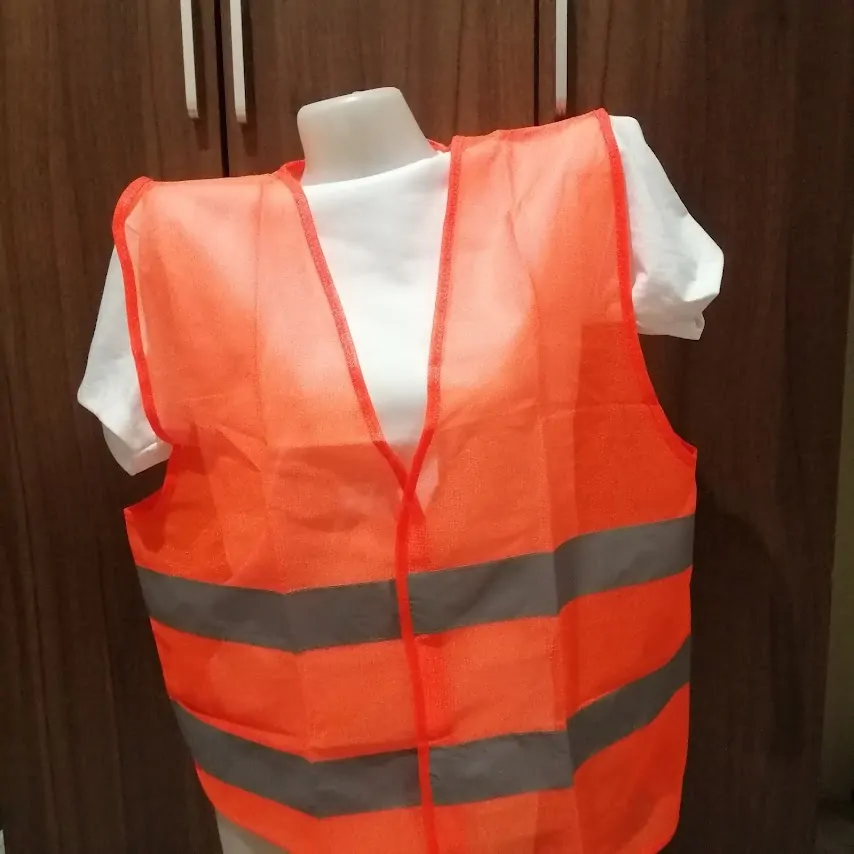
High visibility reflective safety vest manufactured for industrial and government buyers
EN ISO 20471 EN ISO 11612 EN 1149-5 NFPA 2112 NFPA 70E ASTM F1506 ANSI/ISEA 107

High visibility, flame resistant, anti-static, and chemical splash garments, built to the standard your safety officer names on the purchase order.

Step one

Hazard to standard map

Certification starts with the hazard, not the garment. Match the risk on your site to the standard below, and we manufacture and document the garment to that specification.

Protective clothing standards by workplace hazard
Workplace hazardGoverning standardsCertified garment we produce
Low visibility near moving vehicles and plantEN ISO 20471ANSI/ISEA 107High visibility vests, polo shirts, and jackets in fluorescent yellow or orange with retroreflective tape.
Heat and flame exposureEN ISO 11612NFPA 2112Flame resistant coveralls and work shirts rated for limited flame spread and convective heat.
Welding sparks and molten spatterEN ISO 11611Welding jackets, aprons, and sleeves with leather reinforcements and self extinguishing fabric.
Electric arc flashIEC 61482-2NFPA 70EASTM F1506Arc rated flame resistant garments with a stated ATPV or incident energy value.
Static discharge as an ignition sourceEN 1149-5Antistatic coveralls and shirts for tank farms, terminals, and fuel handling areas.
Liquid chemical splashEN 13034Chemical splash jackets and trousers with taped seams for light spray and mist exposure.
Rain and wet weatherEN 343Waterproof breathable jackets and trousers with a stated hydrostatic head rating.
Cold and sub zero environmentsEN 14058Insulated and freezer jackets, and thermal layers for cold storage and highland operations.
Step two

Three certification regimes, one factory

The same garment can carry a CE mark for Europe, an ANSI/ISEA reference for the United States, and a DOLE aligned specification for the Philippines. The evidence package differs by regime, so we build each dossier to the destination market.

European Union

EN ISO and CE marking

Regulator
European Commission and accredited notified bodies across the 27 member states.
Framework
EU PPE Regulation 2016/425, harmonised EN standards, and the CE mark.
Proof
EU Declaration of Conformity, notified body certificate for Category II and III garments, and the technical construction file.
How we support it
Fabric selected to the harmonised standard, third party testing, and a compiled technical file ready for your notified body.

United States

ANSI, NFPA, and ASTM

Regulator
OSHA enforcement, supported by ANSI/ISEA and NFPA consensus standards and ASTM test methods.
Framework
ANSI/ISEA 107 for visibility, NFPA 2112 for flash fire, NFPA 70E for arc flash programs, and ASTM F1506 for flame resistant textiles.
Proof
Manufacturer test data, arc rating reports stated as ATPV or cal/cm squared, and certifying laboratory letters.
How we support it
High visibility and flame resistant builds, tape and fabric selection to the named class, and a technical data package per style.

Philippines

DOLE, BFP, PNP, and LGU

Regulator
Department of Labor and Employment for workplace safety, with the Bureau of Fire Protection, Philippine National Police, and local government units for their own specifications.
Framework
DOLE Occupational Safety and Health Standards, agency uniform regulations, and government Terms of Reference.
Proof
Factory compliance documents, official BIR invoicing, and a specification sheet that answers each line of the Terms of Reference.
How we support it
High visibility and reflective garments for crews and responders, plus bid ready documentation for public procurement.
Step three

The certification documents we issue

A certification claim is only as strong as the paperwork behind it. Every protective order ships with a document set that your safety officer, customs broker, or procurement panel can file.

Declaration of Conformity

An EU style declaration aligned to PPE Regulation 2016/425 that names the standard, the garment, and the responsible manufacturer.

Third party test report

Laboratory results from accredited bodies for retroreflection, flame spread, hydrostatic head, or chemical permeation as required by the standard.

Mill and fabric certificate

Mill certificates confirming the fabric composition, weight, finish, and any inherent or treated flame resistance for the exact roll stock used.

Technical construction file

Product drawings, material lists, seam and trim specifications, and care instructions compiled for notified body review.

REX statement on origin

Registered Exporter origin declaration so qualifying Philippine made protective garments enter the European Union at preferential duty.

Step four

How a garment gets certified

Certification is a sequence, not a sticker. We follow the same four stages for every protective program, from a single style to a fleet wide rollout.

1

Define the specification

Your safety officer names the hazard, the class, and the standard. We translate it into fabric, tape, seam, and trim requirements.

2

Select and pre test

We match certified fabric and retroreflective tape to the standard and pre test the assembly before bulk cutting.

3

Third party testing

Accredited laboratories such as Bureau Veritas, SGS, TUV, or Intertek test the finished garment to the named standard.

4

Compile the dossier

Test reports, mill certificates, the technical file, and the Declaration of Conformity are compiled and released with the shipment.

Questions

Protective clothing certification FAQ

Direct answers to the questions procurement teams, safety officers, and export buyers ask most often.

What does protective clothing certification actually prove?

Certification proves that a specific garment was tested against a named standard and met its performance limits. For example, EN ISO 20471 proves a high visibility garment meets a defined retroreflection and colour fastness threshold for its class. The certificate belongs to a tested article, so the fabric, tape, and construction all matter, not just the fabric.

Which standards cover high visibility workwear?

In the European Union the standard is EN ISO 20471, graded Class 1, 2, or 3 by the amount and placement of fluorescent and retroreflective material. In the United States the equivalent is ANSI/ISEA 107. We manufacture to the class your site risk assessment names and supply the retroreflection test report with the order.

Can you supply flame resistant garments with NFPA 2112 and NFPA 70E documentation?

Yes. We produce flame resistant coveralls and shirts from inherent fabrics such as aramid blends and from treated cotton, and we supply mill certificates and test reports referencing NFPA 2112 for flash fire and NFPA 70E for arc flash programs. Arc rated options state an ATPV value per fabric selection.

Do you provide a Declaration of Conformity and CE marking for PPE garments?

We manufacture to the harmonised EN standard and compile the technical construction file, test reports, and Declaration of Conformity that support CE marking under EU PPE Regulation 2016/425. For Category II and III garments, the conformity assessment is completed through an accredited notified body, which we coordinate with your importer or authorised representative.

What is the difference between EN ISO 11612 and NFPA 2112?

Both address clothing for protection against heat and flame, but they come from different systems. EN ISO 11612 is the European standard and grades performance across several hazards such as limited flame spread, convective heat, and molten metal splash. NFPA 2112 is the United States standard for industrial flash fire protection and requires a predicted body burn injury value. We test and document to whichever standard your market requires.

Which test reports and mill certificates arrive with an order?

Each protective order ships with the fabric mill certificate, the relevant third party test report, and a Declaration of Conformity or specification sheet. Chemical safety evidence such as OEKO-TEX Standard 100 and REACH statements is included when the standard or your procurement rules require it.

Do Philippine government buyers receive DOLE and BFP compliant specifications?

Yes. For government and enterprise buyers we prepare a specification sheet that answers the Terms of Reference line by line, aligned to DOLE Occupational Safety and Health Standards and to agency requirements for high visibility and reflective garments. Bidding documents and official BIR invoicing are provided as standard for public procurement.

What is the minimum order and lead time?

The minimum order is 12 pieces per design for most styles, though some specialised flame resistant runs and third party tested programs carry a higher minimum because of fabric minimums. Standard production runs take 10 to 14 working days after sample and artwork approval. Programs that require accredited laboratory testing add time for the test cycle, which we confirm up front. Pricing is quoted per project in Philippine pesos, US dollars, euros, and pounds through the header currency switcher.

Can one garment combine high visibility and flame resistance?

Yes. We build combined flame resistant high visibility shirt jacs and jackets using fluorescent fabric with flame resistant retroreflective tape, so the trim does not undermine the protection. These are common for turnaround crews, utility linemen, and rail maintenance teams.

How is chemical safety handled for the fabrics and prints?

Fabrics, dyes, and prints are screened against EU REACH restricted substances and can be certified to OEKO-TEX Standard 100 for skin contact safety. We provide the supporting documentation on request for buyers who must file it with their own compliance records.

Talk to the compliance desk

Request your protective clothing compliance dossier

Send us the hazard, the standard your safety officer named, and the quantity. We will return a specification, a document list, and a quotation in Philippine pesos, US dollars, euros, and pounds.

Prefer to start with a document? Ask for the sample Declaration of Conformity and test report set for the standard you are specifying.