
Thermal Mid Layer Outdoor Jacket Supplier
RB Advertising is a Philippine thermal mid layer outdoor jacket supplier building the middle of the 3 layer system for hiking, trekking, running, and cold climate work programs. A mid layer has one job: trap warm air while the base layer under it moves moisture and the shell over it blocks wind. We make grid fleece, polar fleece, sherpa backed fleece, and brushed back jersey mid layers from 200 to 300 GSM, cut and sewn in house at Tagum City and Cagayan de Oro.
- 20 PiecesLow MOQ
- 200 to 300 GSMMid layer weights
- 7 to 12 DaysBulk production
- 3 to 5 DaysSampling
- Shell Outer layer Blocks wind and rain, breathes vapour out
- Your mid layer Mid Thermal mid layer Traps warm air in the pile and loft
- Base Next to skin Moves moisture away from the body
- Cold Mid layer over base, shell on top
- Cool Mid layer over base, shell on top
- Chilly Mid layer over a light base
- Mild Light mid layer, shell stowed
The mid layer traps warmth, the base layer moves moisture, and the shell blocks wind. Comfort depends on activity level, base layer, and wind, so read the bands as guidance for the combination rather than a fixed rating.
- Warmth to weight tuningLoft and pile height matched to the climate and the activity.
- Layer interface fitSlides over a base layer and tucks under a shell without bunching.
- Anti pill finishTight filament spinning keeps the surface smooth after washing.
- In house cut and sewKnitting, cutting, sewing, and embroidery under one roof.
Mid layer constructions we build
A mid layer is not one fabric. The four constructions below trade warmth, breathability, and packability against each other, mapped to warmth for weight and the activity each one suits best.
| Construction | Warmth for weight | Breathability | Packability | Best activity |
|---|---|---|---|---|
| Grid fleece | High | High | High | High output hiking, trail running, climbing, fast trekking |
| 280 GSM polar fleece | Medium to high | Medium | Medium | General trekking, camp, shoulder season travel |
| Sherpa backed fleece | High | Low to medium | Low | Cold camp, cold climate work, low activity warmth |
| Brushed back jersey | Medium | Medium to high | High | Everyday training, travel, run and ride layering |
Loft beats thickness for warmth per gram
A lighter high loft fleece can beat a heavier flat fleece for warmth per gram, because what keeps you warm is the still air held inside the fabric, not the weight of the roll. Loft height and pile structure trap that air. A flat, dense fleece can feel thick in the hand and still hold less warmth than a fluffy grid or high loft knit at a lower weight.
So we judge a mid layer by loft and by how it vents, not by how heavy the fabric feels. For a hiking program, a lighter high loft face usually gives more warmth at less weight and packs smaller than a heavy flat fleece of the same nominal thickness.
Illustrative comparison at equal warmth. The lighter high loft face reaches the same comfort with less fabric weight and less packed volume.
How the mid layer meets the base layer and the shell
A mid layer works only if it interacts cleanly with the two garments around it. Get the interface right and the whole system runs cooler when you move and warmer when you stop.
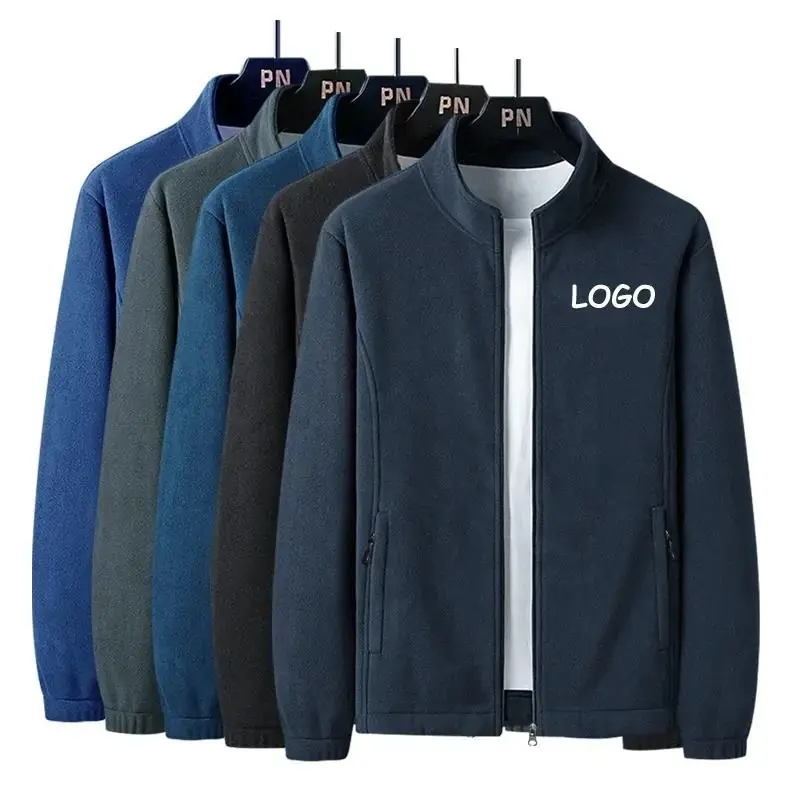
A thermal mid layer fleece jacket with a smooth inner face and a close collar that layers cleanly under a shell.
- Sit over the base layer, slide and do not gripThe mid layer must slide over the base layer, not grip it. A smooth or lightly sanded inner face keeps arm movement free, while a heavy brushed inner face can cling to a slick base layer and pull the hem up as you reach. We tune the inner face against the base layer you plan to use.
- Collar and sleeve interface with the shellThe mid layer collar should tuck under the shell collar without bunching at the throat, and the sleeve should sit inside the shell sleeve without rucking at the cuff. We cut a closer body and a raglan shoulder so the arm moves freely and the mid layer does not press the shell against the skin.
- Do not make it windproof when the shell already isIf the shell blocks wind, a windproof mid layer adds weight, cost, and trapped vapour without adding much warmth. Let the shell handle wind and let the mid layer stay breathable so sweat vapour can pass through it and out of the system. That is the difference between a mid layer and a second shell.
- Keep bulk low so the loft is not compressedA shell presses against a bulky mid layer and flattens the loft, and flattened loft traps less air. We keep the mid layer close without binding so the shell sits over it cleanly and the pile keeps its height.
Minimums, sampling, lead time, and payment
The essentials buyers ask for first. Final pricing depends on fabric, weight, and decoration, so send your brief and we will return an exact figure.
Low minimum per style and colorway. Pricing improves as volume rises, and single pre production samples are available.
Pre production samples so your team can check loft, fit, collar height, and logo placement before the bulk run.
Bulk manufacturing after sample approval, depending on order size and decoration. Mockups are usually done within a day.
Official invoices in your chosen currency through the header switcher. Size sorted cartons, individual polybags, and export packing on request.
Paperwork and options for export buyers
We supply documentation per order and hold material options that carry their own certificates. Tell us which certificates your market requires and we will confirm what we can supply with your run.
From brief to packed carton
A fixed workflow keeps bulk orders on schedule and gives your team a clear approval gate before cutting starts. Programs that pair a mid layer with hiking jackets or running outerwear follow the same steps.
- 1
Brief and quote
Send quantity, construction, weight, and logo files. We return a costed quote and a recommended mid layer weight.
- 2
Mockup
Digital artwork and a size chart arrive within a day for your sign off before anything is cut.
- 3
Sample
A physical pre production sample lets your committee check loft, fit, slide over the base layer, and logo placement.
- 4
Bulk run
Cut, sew, embroider, and finish across the lines, with inline checks at each stage.
- 5
Pack and ship
Size sorted cartons, final audit, and dispatch nationwide or to your freight forwarder.
Thermal mid layer FAQ
What exactly is a thermal mid layer jacket?
A thermal mid layer jacket is the middle garment of a 3 layer system. It sits over a base layer and under a shell. Its job is to trap still air and hold warmth while the base layer moves sweat away from your skin. It is built to be light and packable rather than fully weatherproof, because the shell handles wind and rain.
How is a mid layer different from a base layer?
A base layer touches the skin and manages moisture. It is thin, stretchy, and wicks sweat so you stay dry. A mid layer sits over the base and insulates. It is thicker, holds loft, and traps air. Buying both from one factory keeps the fit tuned so the mid layer slides over the base instead of gripping it.
Should a mid layer be windproof?
Usually no. If your shell already blocks wind, a windproof mid layer adds weight, cost, and trapped vapour without adding much warmth. We make windproof fleece when a buyer needs a single standalone piece, but for a 3 layer system we keep the mid layer breathable and let the shell do the wind blocking.
Which mid layer weight suits which climate?
For warm and humid conditions and high output activity we run 200 to 260 GSM grid fleece. For cooler trekking and shoulder season use we run 280 GSM polar fleece. For cold camp and cold climate work teams we run 300 GSM with a sherpa backing. These are starting points, so send your activity, base layer, and wind exposure and we will tune the weight.
Grid fleece or polar fleece, which should we order?
Grid fleece has a waffle face that vents fast, so it suits high output activity where you sweat and cool down quickly. Polar fleece has a denser brushed pile that holds more warmth at rest and reads warmer in cold, low activity use. Many programs order both: grid fleece for active crews and polar fleece for camp and transit.
What does warmth to weight mean for a mid layer?
Warmth to weight compares how much insulation a fabric gives per gram. A lighter high loft fleece can beat a heavier flat fleece because loft traps air, and trapped air is what keeps you warm. Thickness alone is not warmth. We check loft and pile height rather than judging a fabric by how heavy the roll feels.
How should a mid layer sit under a shell?
The mid layer collar should tuck under the shell collar without bunching, and the sleeve should sit inside the shell sleeve without rucking at the cuff. We cut a slightly closer body and a raglan shoulder so the mid layer moves with the arm and does not compress the shell. If the mid layer is too bulky, the shell presses the loft flat and you lose warmth.
What is the minimum order for private label mid layers?
Our minimum is 20 pieces per style and colorway. We also produce single pre production samples so your team can check loft, fit, collar height, and logo placement before the bulk run.
How long does sampling and production take?
Pre production samples take 3 to 5 business days. Bulk production runs 7 to 12 business days after sample approval, depending on quantity and decoration. Mockups are usually ready within a day.
How should we care for a thermal mid layer?
Wash warm on a gentle cycle and avoid fabric softener, which coats the fibers and flattens the loft. Tumble dry low or hang dry. A good anti pill finish keeps the surface clean after repeated washing, and we can add care labels with your own instructions.
Buy the whole system from one factory
When the base layer, the mid layer, and the shell come from one factory, all three are cut to work together. The mid layer slides over the base instead of gripping it, and the collar tucks cleanly under the shell.
Sourcing the layers separately means three size charts, three colour tolerances, and three lead times. One system order tunes the interface once, runs the layers together, and ships them as a single consignment.
More fleece and layering programs
Pair a mid layer program with the layers that go over and under it, or with the fleece pages below.
Request a thermal mid layer quote
Send your quantity, target construction and weight, and logo files through the contact page or the channels below. Our manufacturing desk in Tagum City replies with pricing, a lead time, and a sampling schedule for your mid layer program.