
European Commission · EU Customs Union · Trade Access

The European Commission: What It Is and How It Touches an Apparel Shipment

The European Commission is the executive arm of the European Union. It writes the customs rulebook, runs the tariff and origin databases, and negotiates the trade deals that decide whether a Philippine garment enters the European Union at zero duty. This guide explains the institution, the directorates that matter to an apparel exporter, and the exact points at which a consignment meets the Commission.

Written for wholesale apparel buyers and sourcing teams moving Philippine manufactured goods into the 27 member states.

The Commission departments in this story Four of them
  • DG TAXUD Customs union, tariff and origin rules
  • DG TRADE Trade policy and the GSP+ scheme
  • DG GROW Product rules and the internal market
  • DG ENV Chemical and environmental limits for textiles

The Commission sets the rules. The customs authority of each member state clears the goods.

Article 01 · The Institution

What the European Commission Is

The Commission is the executive of the European Union, based in Brussels. It is politically independent of national governments. One commissioner sits per member state in a College of Commissioners led by a President, serving a five year term. The institution dates from 1958 and today operates under the Treaty on European Union and the Treaty on the Functioning of the European Union, as amended at Lisbon.

Its work splits into four jobs. It proposes legislation. It implements and enforces what the Parliament and the Council pass. It represents the Union externally and negotiates trade agreements, which is the common commercial policy. And it manages common policies and the EU budget. For an exporter, the second and third jobs are the ones that reach across the water.

Why this matters to apparel buyers. The rulebook that classifies your garment, values it, and decides whether Philippine origin earns zero duty is written by the Commission. The officer who inspects the container belongs to a national customs authority. Knowing which is which keeps a shipment moving.

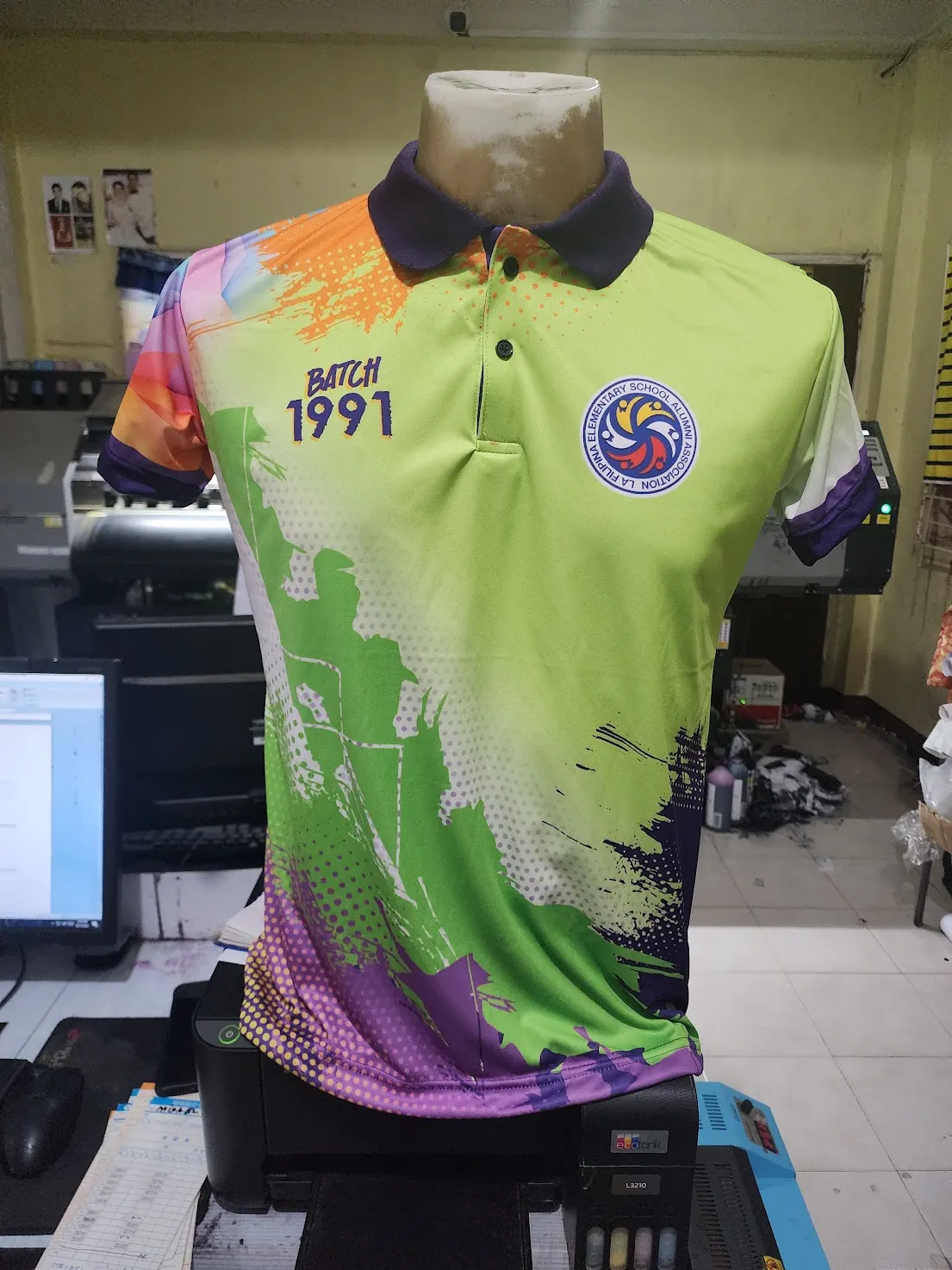
Printed polo shirt produced by RB Advertising in the Philippines for export to the European Union
A Philippine manufactured polo shirt. The Commission decides the tariff line and origin rules it travels under.

European Commission

The executive. Proposes laws, enforces them, runs the budget, and negotiates trade with the rest of the world.

European Parliament

Elected directly by EU citizens and shares lawmaking power with the Council.

Council of the EU

Ministers from each member state, the second of the two lawmakers.

Court of Justice

Gives the final ruling on what EU law means when a dispute reaches it.

Article 02 · The Departments

The Directorates That Touch an Apparel Shipment

The Commission organizes its work into directorates general, each coded DG and responsible for one policy area. Four of them shape how a garment is made, labelled, taxed, and admitted.

DG TAXUD

Taxation and Customs Union

Runs the EU Customs Union. It maintains the Union Customs Code, the TARIC tariff database, the REX exporter register, and the EORI system, and it administers preferential origin rules including GSP+.

Your shipment: the tariff line, the origin rule, and the zero duty decision all trace back here.

Open the DG TAXUD guide
DG TRADE

Trade

Negotiates trade agreements and runs the trade access toolbox, including the Generalised Scheme of Preferences and the Access2Markets portal that publishes tariff and origin information for exporters.

Your shipment: the GSP+ scheme that lets qualifying Philippine apparel enter at zero duty sits with this department.

Open Access2Markets
DG GROW

Internal Market, Industry, Entrepreneurship and SMEs

Shapes product rules that keep goods moving freely inside the single market, including the framework behind textiles and the labelling information a product carries once it is placed on the EU market.

Your shipment: fibre composition and care labels prepared for the EU market follow rules coordinated here.

Open DG GROW
DG ENV

Environment

Sets chemical and environmental limits for products on the EU market, including the REACH regulation that restricts substances such as certain azo dyes and finishes in imported textiles.

Your shipment: garments that breach REACH limits can be refused entry at the border.

Open the REACH compliance guide
Article 03 · Systems and Registers

The Systems the Commission Runs

A Philippine exporter rarely meets the Commission face to face. The relationship runs through its systems and registers. These are the ones a garment shipment touches.

Legislation

Union Customs Code

Regulation (EU) 952/2013, the single customs rulebook for the 27 member states. It governs declarations, valuation, origin, and release.

Read the UCC guide

Database

TARIC

The integrated tariff of the Union. It holds the Combined Nomenclature line and the duty rate that applies to your garment on the day of entry.

Consult TARIC

Database

REX

The Registered Exporter system. A Philippine exporter registers once, then certifies origin by writing a Statement on Origin on the commercial invoice.

Read the REX guide

Database

EORI

The operator register behind the EOS database. Every importer needs an EORI number before a declaration can be lodged at the EU border.

Read the EORI guide

Portal

Access2Markets

A self service portal where an exporter checks tariffs, rules of origin, and import formalities for a specific product and destination.

Open Access2Markets

Scheme

GSP+

The Generalised Scheme of Preferences Plus. It grants the Philippines preferential access, including zero duty on qualifying apparel. The current scheme is extended to 31 December 2027.

Commission GSP page

Article 04 · The Journey

How a Consignment Meets the Commission

From a Tagum City cutting table to a member state customs terminal, a Philippine garment consignment runs through the Commission framework in six steps.

  1. Classify the garment

    Your product gains a Combined Nomenclature line in the TARIC database. The line sets the duty rate that applies unless a preference is claimed. Most apparel sits in HS Chapters 61 and 62, where the most favoured nation duty is about 12 percent.

  2. Establish Philippine origin

    The garment is tested against the GSP+ rules of origin. If it qualifies, the exporter registers in the REX system and holds a valid registration number.

  3. Document the claim

    The REX registered exporter writes a Statement on Origin on the commercial invoice. It replaced the old Form A certificate and is the proof that supports the zero duty claim.

  4. Clear into the Union

    The EU buyer lodges an import declaration in the member state of entry, carrying their EORI number. The national customs authority, not the Commission, processes the entry.

  5. Arrive at the duty outcome

    Where the GSP+ claim is valid and verified against the REX register, duty falls to zero. Without a valid claim, the standard most favoured nation rate applies. Import VAT is charged by the member state on the customs value.

  6. After release

    Origin claims can be verified after clearance through the cooperation framework between the EU and the Philippine Bureau of Customs, with the Commission setting the rules for the check.

Article 05 · Division of Labour

Who Sets the Rules and Who Clears the Goods

The most common mix up in EU trade is treating the Commission as the body at the border. It is not. The work splits cleanly between the Union level and the national level.

The European Commission

Rule maker
  • Writes and maintains the Union Customs Code
  • Operates the TARIC, REX, and EORI systems
  • Runs the GSP+ preferential scheme and its origin rules
  • Negotiates trade agreements with partner countries
  • Coordinates the 2026 reform and the coming EU Customs Data Hub

National Customs Authorities

Rule applier
  • Lodge the entry and process the declaration
  • Verify the tariff line, origin, and value
  • Assess customs duty and import VAT
  • Inspect, hold, or release the goods
  • Run post clearance checks with the exporter country
Article 07 · Questions

European Commission FAQ

Clear answers on the institution, the border, the tariff, and the duty outcome for Philippine apparel.

InstitutionIs the European Commission the government of the European Union?

The European Union does not have a single government. The Commission is its executive arm. It proposes legislation, enforces EU law, runs common policies and the EU budget, and negotiates international trade agreements on behalf of the 27 member states. The European Parliament and the Council of the European Union are the two lawmakers that pass the rules, and the member states implement them.

BorderWho actually clears my shipment when it reaches the European Union?

A national customs authority, not the Commission. The Commission writes the customs rulebook, the Union Customs Code, and runs the shared databases. The customs authority of the member state of entry, such as Zoll in Germany, Douane in France and the Netherlands, Tullverket in Sweden, or the Krajowa Administracja Skarbowa in Poland, lodges the entry, assesses duty and import VAT, and releases the goods.

TariffHow does the Commission affect the duty rate on a garment?

Two things decide the rate. The first is the classification, the ten digit Combined Nomenclature line, which the Commission maintains in the TARIC database. The second is the origin, which determines whether a preferential scheme applies. Apparel lines in HS Chapters 61 and 62 carry a most favoured nation duty of about 12 percent, and the preferential Philippines rate under GSP+ can reduce it to zero.

PreferenceDo Philippine garments enter the European Union duty free?

Yes, where the goods meet the GSP+ rules of origin. The Philippines is a GSP+ beneficiary, and qualifying apparel and textile goods can enter at zero preferential duty. The claim is made with a Statement on Origin on the commercial invoice from an exporter registered in the REX system, which replaced the old Form A certificate. Confirm the current status with the Commission Access2Markets portal and a licensed customs broker before contracting freight.

SystemsWhich Commission systems will my export actually touch?

Four in practice. TARIC for the tariff line and duty rate, REX for the exporter registration and the Statement on Origin, EORI for the importer registration checked in the EOS database, and Access2Markets to confirm the rules yourself. The Union Customs Code is the regulation behind all of them.

ReformWhat is the EU customs reform changing?

The 2026 reform of the EU customs union introduces a new EU Customs Authority and an EU Customs Data Hub that will replace the current fragmented national declaration systems over time. The rollout is phased. Confirm the current timeline with the Commission before you build a process around it.

Talk to the Export Desk

Export Philippine Apparel to the European Union

RB Advertising manufactures and documents custom apparel in the Philippines for EU bound shipments, including REX Statement on Origin support, EU market labels, and freight coordination. Reach the export desk through any channel below.

Reference Sources

Last reviewed 2026-09-28. EU customs law, tariff rates, the GSP+ scheme, and the customs reform timeline change over time. This guide is general trade analysis for planning. Verify the current position with the European Commission Access2Markets portal and a licensed customs broker before contracting freight or producing labels.