Four Philippine points on the board, and Manila gets a second operator in December
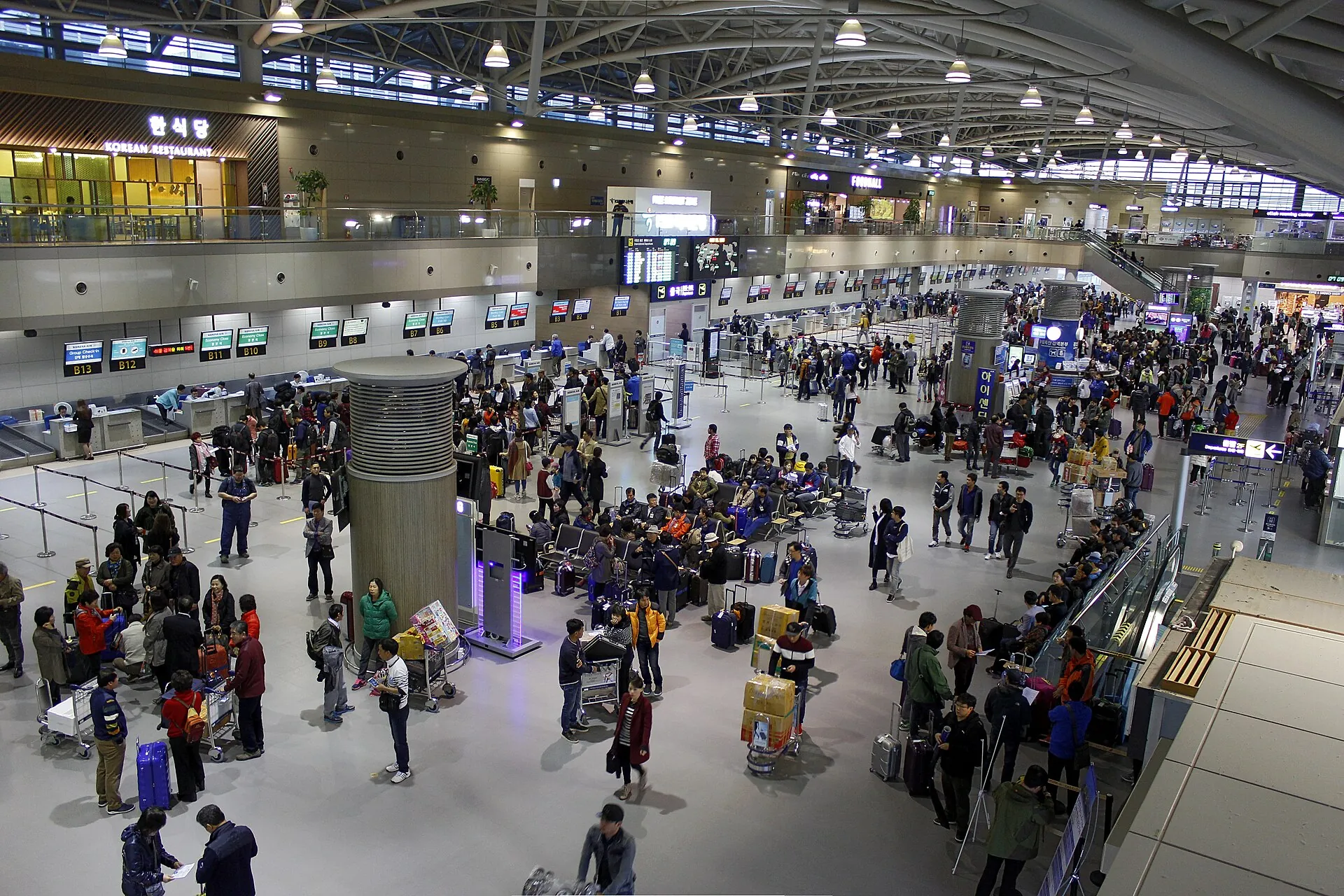
Busan has more Philippine capacity than any other Korean airport outside Incheon, and the mix is unusual: a full service Manila flight, a dense Cebu lane shared by three Korean carriers, a Clark service for Luzon, and a leisure link to Bohol. Distances are short enough that every one of them is a narrow body sector.
What each lane is actually for
Manila is the business and government lane. Philippine Airlines has held it alone, which kept fares firm and left a single daily rhythm. Jeju Air starts on 17 December 2026 with five rotations a week on Monday, Tuesday, Thursday, Friday and Saturday, leaving at 21:30 and landing at 00:45, with the return at 01:45 and a 07:20 arrival in Busan. That late departure suits a full working day in Korea, at the cost of a middle of the night arrival in Manila.
Cebu is the volume leisure lane and the most useful door for a factory visit in the Visayas. Air Busan restored a daily rotation in 2025, and Jeju Air and Jin Air both work the sector.
Clark is the Luzon alternative. It avoids Manila traffic entirely, which matters if the destination is Pampanga, Subic, Bataan or the industrial parks north of the capital.
Bohol is tourism first. It is also the shortest path to the Central Visayas for a buyer working with Cebu based subcontractors.
Onward from Manila
Davao is about 1 h 50 m by air from Manila, and our production floor in Tagum City is roughly an hour by road from Davao airport. Cebu is about 1 h 20 m. Immigration, customs and the eTravel check all happen at the first Philippine airport you land at, so allow 60 to 90 minutes before a domestic connection, and more if you land in the midnight bank.
If you are going straight to a supplier, book the domestic leg on a separate ticket only when you have a long buffer. A missed connection on one ticket is the airline's problem; on two tickets it is yours.