
Research and development
Breeding, crop protection, and fiber extraction research that lifts yield and quality across the sector.
When you visit our website, it may store or retrieve information on your browser, mostly in the form of cookies. This information might be about you, your preferences or your device and is mostly used to make the site work as you expect it to. You can choose not to allow some types of cookies. Read our Privacy Policy
These cookies are necessary for the website to function and cannot be switched off in our systems.
These cookies allow us to collect information about website traffic and technical performance.
These cookies enable enhanced functionality and personalisation.
These cookies may be set through our site by our advertising partners to build a profile of your interests.
PhilFIDA is the national agency that regulates and develops the Philippine natural fiber industry. It runs the research, production support, laboratory, standards, and licensing work behind abaca, coconut coir, silk, piña, and the other Philippine natural fibers.
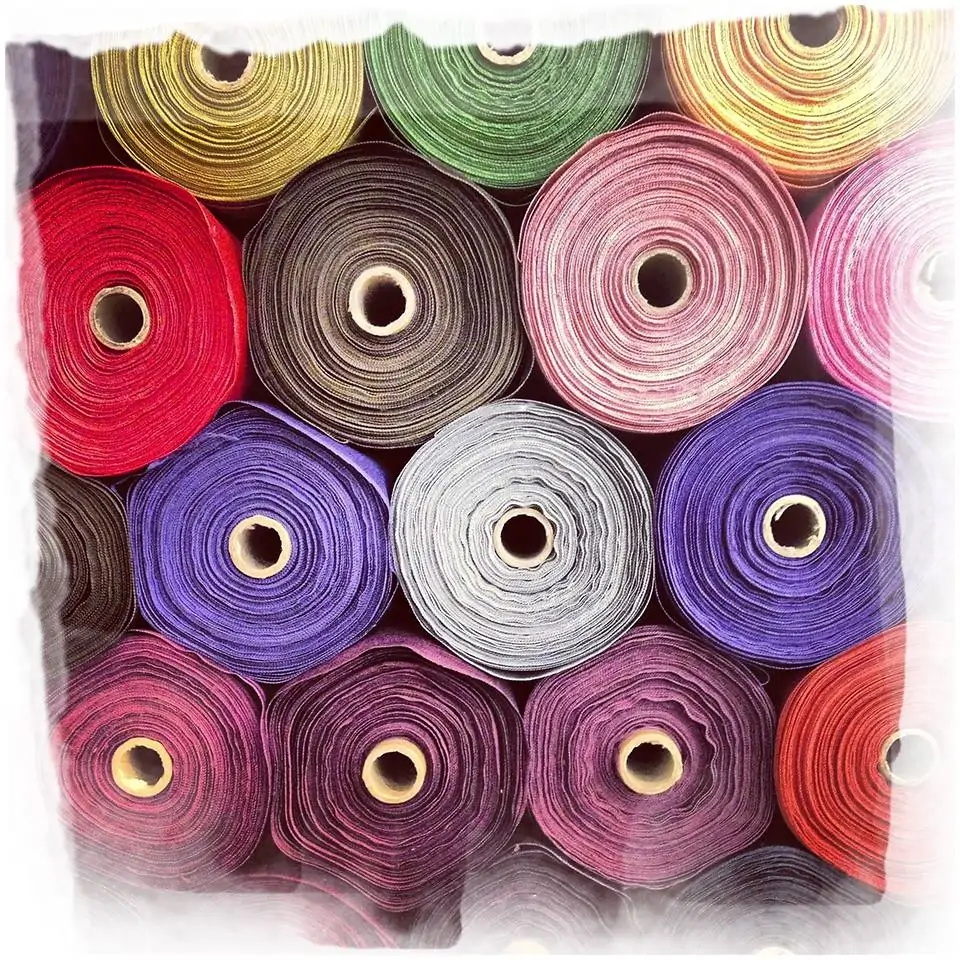 Abaca, coir, silk, piña and more
PhilFIDA is mandated to promote the growth and development of the Philippine natural fiber industry. It does that through research and development, production support, extension support together with education and training, fiber processing and utilization, and standards implementation with trade regulation.
The agency was formed by merging two attached agencies of the Department of Agriculture. The Fiber Industry Development Authority, created by Executive Order 709 in 1981, promoted natural fiber other than cotton. The Cotton Development Administration, created under Republic Act 8486 in 1998, drove the local cotton industry. The Department of Budget and Management approved their rationalization plan on 29 May 2013, and the consolidated Philippine Fiber Industry Development Authority carries both mandates today.
The head office sits at the FPUL Building inside the Bureau of Animal Industry compound on Visayas Avenue in Vasra, Quezon City, and the agency serves fiber growers, processors, traders, and exporters through its regional offices.
Nine functions define the agency work, from national policy down to fiber grading and the accreditation of the people who trade, classify, and fabricate fiber.
Formulates and implements integrated programs and policy guidelines for the fiber industry, in consultation with industry stakeholders.
Harmonizes the programs, projects, and activities of every sector involved in the Philippine natural fiber industry.
Undertakes research and development for the production, processing, and utilization of fibers.
Helps formulate and develop standards for the commercial fibers produced, or that may be produced, in the Philippines.
Regulates fiber trading through the licensing and registration of traders, exporters, manufacturers, and classifiers.
Recommends the accreditation of seed growers and nursery operators.
Accredits fabricators who manufacture PhilFIDA designed machinery, tools, and equipment.
Enforces the Philippine National Standards for fiber classification, grading, baling, tagging, and marking.
Runs skills development training and workshops to raise the technical and entrepreneurial capacity of stakeholders.
Philippine natural fibers come from leaves, stalks, husks, and seed. These are the crops the agency supports, standards, and classifies.
Five service lines carry the mandate from research through to the license that lets a business trade in fiber.
Breeding, crop protection, and fiber extraction research that lifts yield and quality across the sector.
Advisory and extension support for growers, processors, cooperatives, and local government units.
Planting material, nurseries, and shared processing facilities that expand fiber output.
The Fiber Utilization and Technology Division tests fiber quality and develops new fiber products.
Registration of trade participants, plus the PTF and CFI issuances that travel with Philippine fiber.
Republic Act 9242, the Philippine Tropical Fabrics Law of 2004, directs government offices to use Philippine tropical fabrics for the official uniforms of public officials and employees, and to buy them from local sources. Tropical fabric means natural fiber that is produced, spun, woven or knitted, and finished in the Philippines.
PhilFIDA regulates fiber trading through licensing and registration, and it enforces the national standards that travel with every bale of fiber.
Applications are filed through the PhilFIDA online regulatory portal at philfidaregulatory.ph. Process flows and downloadable forms sit on the agency site at philfida.da.gov.ph/regulatory.
PhilFIDA is the Philippine Fiber Industry Development Authority, an attached agency of the Department of Agriculture. It promotes the growth and development of the Philippine natural fiber industry through research and development, production support, extension support, education and training, fiber processing and utilization, and standards implementation and trade regulation.
PhilFIDA covers Philippine natural fibers such as abaca, coconut coir, ramie, silk, maguey, salago, kenaf, kapok, pineapple or piña, cotton, and buntal. The old Fiber Industry Development Authority handled natural fiber other than cotton, while the Cotton Development Administration handled cotton, and the two were consolidated into PhilFIDA in 2013.
The head office is at the FPUL Building, BAI Compound, Visayas Avenue, Vasra, Quezon City. The telephone numbers are (02) 8 531 7854 and (02) 8 273 2474 local 2662, 2663, and 2664. The email is inquiry@philfida.da.gov.ph and the website is philfida.da.gov.ph.
Applications for licenses, Philippine Tropical Fabrics certificates, and CFI issuances are filed through the PhilFIDA online regulatory portal at philfidaregulatory.ph. The agency publishes its process flows and downloadable forms on philfida.da.gov.ph.
Republic Act 9242, the Philippine Tropical Fabrics Law of 2004, prescribes the use of Philippine tropical fabrics for the official uniforms of government officials and employees, and for government purposes that use fabric. Tropical fabric means natural fiber that is produced, spun, woven or knitted, and finished in the Philippines, and it must be bought from local sources.
The Philippines is the world leading abaca producer and supplies the large majority of global demand, a share PhilFIDA cites at about 87 percent. Abaca is known as one of the strongest natural fibers and is used in cordage, specialty paper, textiles, and composites.
Yes. The Fiber Utilization and Technology Division runs laboratory services for fiber quality and product development, and the agency provides technical assistance, training, and production support through its regional offices. You can request laboratory services through the form on philfida.da.gov.ph.
Fiber, textile, and farm agency pages that sit alongside PhilFIDA.
RB Advertising and RB Prints produce uniforms, event shirts, and corporate merchandise from a workshop in Tagum City. If your agency or organization is working under the tropical fabrics rule, or you simply want local fiber in the fabric brief, message us on any channel below.
Agency and mandate details checked against philfida.da.gov.ph and its functions and contact pages, and Republic Act 9242, the Philippine Tropical Fabrics Law. Last reviewed 27 September 2026.