
Technical Garment Sewing and Contract Manufacturing
High performance apparel assembly in the Philippines. Engineered flatlock seams, bonded construction, precision bar tacking, and automated feed off the arm chainstitch lines for technical outerwear, tactical workwear, athletic uniforms, and weather sealed garments.
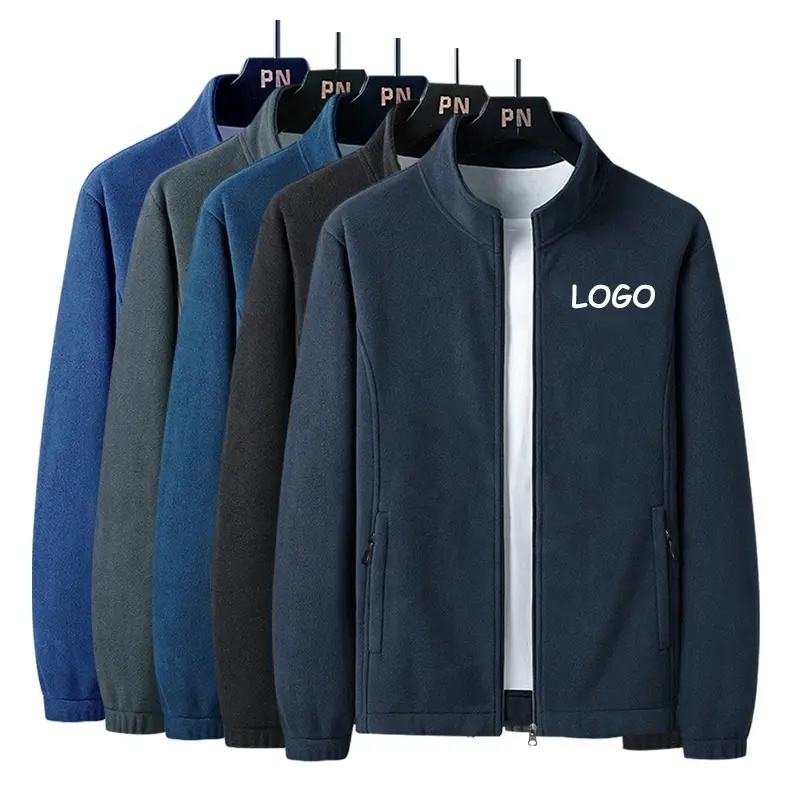
Engineered Stitch Classes for Demanding Environments
Technical garment sewing differs from commercial casualwear by prioritizing seam tensile strength, differential stretch recovery, friction reduction, and weather tightness.
Flatlock Four Needle Six Thread Seams
Engineered for next to skin base layers, cycling bibs, compression wear, and athletic jerseys. Both raw fabric edges are trimmed and butt joined cleanly under a dual looper thread cage.
- Zero internal seam allowance to eliminate friction chafing
- Four parallel needle threads provide exceptional burst resistance
- High elongation factor mirrors four way stretch performance textiles
Feed Off The Arm Double Chainstitch
Dedicated tubular assembly for heavy industrial workwear trousers, tactical cargo pockets, and jacket side seams. Provides superior longitudinal flex without thread snapping.
- Interlooped chain formation accommodates active knee and elbow stress
- Twin needle lap seam folder prevents fraying on rugged canvas
- Compatible with bonded nylon and Kevlar reinforced thread fibers
Programmable Electronic Bar Tacking
Automated electronic CNC tacking nodes for high shear load junctions including belt loops, pocket corners, zipper stops, MOLLE webbing, and harness anchors.
- Custom stitch density matrices from 28 to 42 stitches per tack
- Clean thread trimming with zero unravel risk under field tension
- Exact repeatability across high volume institutional contracts
Specialized Machinery Fleet and Workstations
Our manufacturing floor utilizes dedicated Japanese and German engineered sewing units calibrated specifically for technical laminates, elastane blends, and heavyweight synthetic canvas.
| Workstation Category | Machine Configuration | Target Garment Components | Quality Specification |
|---|---|---|---|
| Ultrasonic & Hot Air Bonding Hermetic Sealing | Pneumatic dual roller hot air welding machines with digital PID thermal controls up to 700°C. | Storm hoods, waterproof jacket shoulders, dry bag enclosures, and zippered hand pockets. | Hydrostatic pressure resistance testing up to 10,000 mm H2O post lamination. |
| Compound Walking Foot Lockstitch Heavy Synthetic Workwear | Direct drive needle feed lockstitch with alternating presser feet for multi layer assemblies. | Cordura knee reinforcements, ballistic nylon tool pockets, storm flap plackets, and tactical vests. | Zero layer slippage through 1,000D textured nylon and coated Oxford fabrics. |
| Differential Feed Interlock & Overedge Active & Thermal Stretch | Micro differential feed 5-thread safety stitch machines with programmable top feeder devices. | Moisture wicking compression rashguards, micro polar fleece outerwear, and thermal liners. | Zero seam puckering and wave distortion across high recovery Lycra and spandex knits. |
| Automated Profile Pattern Stitcher CNC Precision | Programmable X-Y axis computer controlled sewing fields with clamped pneumatic template frames. | Tactical hook and loop patch panels, badge emblems, cargo flaps, and modular pouch attachments. | Micron level coordinate accuracy conforming to military and corporate tech packs. |
Fabric Handling Protocols for Advanced Textiles
Technical garment sewing requires precise needle gauge, thread tension, and presser foot pressure matching each membrane chemistry and fiber construction.
3-Layer Waterproof Breathable Shells
Woven face fabric laminated with microporous ePTFE or hydrophilic polyurethane membranes. Needle perforation must be minimized using slim ball point or light round point needles (SES/R 70/10) followed by immediate hot air polyurethane taping to prevent needle leak points.
Bonded Softshell & Fleece Laminates
Dense micro polar fleece bonded to stretch woven weather surfaces. Requires walking foot needle transport to eliminate interlayer shifting, combined with low profile serging to keep bulk down inside ergonomic armholes and articulated sleeve joints.
High Tenacity Polyamide (Cordura & Ripstop)
High abrasive abrasion resistance textiles used in industrial uniforms and field gear. Sewn with bonded continuous filament polyester threads (Tex 70 to Tex 90) utilizing reinforced double felled lap seams to resist puncture, tear propagation, and chemical laundering.
Compression & 4-Way Elastane Blends
High tension activewear requiring four needle flat seaming with textured bulk polyester looper threads. The sewing machine differential feed is finely adjusted to feed elastic fabric evenly without causing structural waviness or binding along dynamic body lines.
Laboratory Testing and Seam Quality Assurance
Every technical sewing production run undergoes destructive and non destructive seam testing to verify compliance with institutional and retail brand requirements.
Suter Hydrostatic Seam Check
Seam intersections and taped joints are subjected to calibrated water column pressure up to 100 kPa to detect microscopic stitch puncture bypass or tape delamination.
Seam Strength & Burst Test
Standardized grab and strip tensile tests assess joint integrity against perpendicular pull forces, ensuring flatlock and chainstitch runs do not burst during heavy mobility.
Wash Cycle & Peel Resistance
Multi cycle commercial wash evaluations confirm adhesive tape bond durability, preventing edge lifting, micro cracking, and chemical softening over repeat washing regimes.
Technical Garment Sewing FAQ
Key commercial and technical details for procurement directors, product developers, and apparel brands.
What is the difference between standard garment sewing and technical garment sewing?
Standard apparel sewing focuses on speed and aesthetic edge finishing using basic lockstitch and 3 thread serging. Technical garment sewing requires engineered stitch classes (such as 4 needle flatlock, feed off the arm chainstitch, and CNC bar tacking), specialized needle geometries, high tenacity synthetic threads, and integrated seam sealing or hot melt bonding to maintain functional weatherproofing, burst resistance, and ergonomic comfort under high shear stress.
What is the minimum order quantity (MOQ) for custom technical garment assembly?
For custom technical sewing using client specified tech packs, custom functional fabrics, or specialized seam sealing, production orders start at 20 to 50 pieces per style. For programs utilizing our standardized activewear and outerwear patterns, minimums start from 10 to 12 pieces per design.
Can you handle waterproof seam sealing directly in the same sewing facility?
Yes. Our manufacturing facilities in Tagum City and Cagayan de Oro feature an integrated seam taping line equipped with hot air continuous sealing machines. We seam tape 2 layer and 3 layer polyurethane membranes, waterproof zippers, and pocket welts in house without sending work out to external sub contractors.
Do you manufacture prototypes and pre-production samples before bulk sewing?
Yes. Every technical apparel contract includes digital pattern development, size grading, and physical pre production sampling. Samples are fully assembled with exact functional threads, trim hardware, and taped seams for fit, drape, and laboratory testing prior to bulk production release.
What files or documentation are required to quote a technical sewing project?
Please submit a complete technical pack (PDF or digital file) detailing your front and back flat sketches, bill of materials (BOM), fabric specifications (composition, weight in GSM, coating chemistry), target stitch classes, measurement grading tables, and placement coordinates for trims, hook and loop fasteners, and brand labels.
Consult Our Technical Apparel Production Desk
Submit your tech pack, fabric specifications, or contract sewing requirements. Our engineering team provides comprehensive feasibility feedback, unit cost matrices, and sample scheduling within 24 business hours.